Liberal Democrats Urge Home Secretary to Delay New Border Rules for Dual Nationals
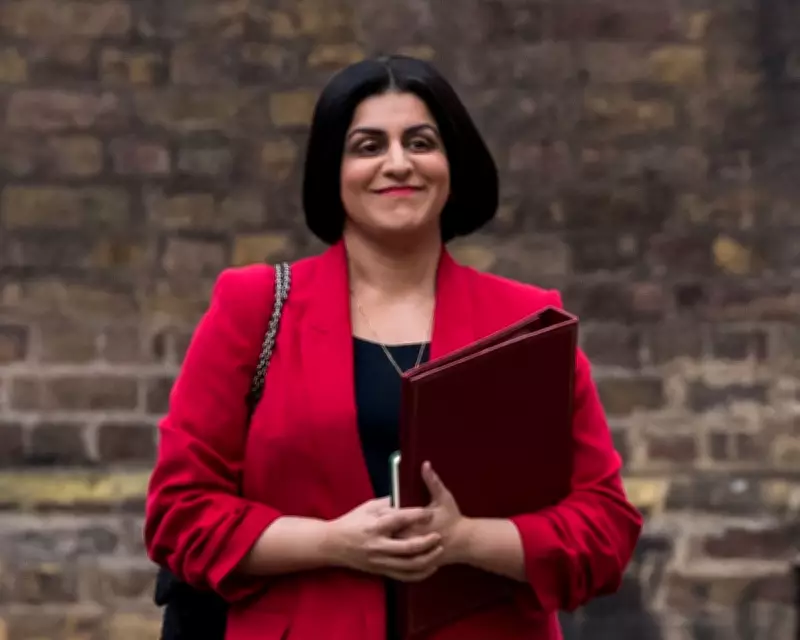
The Liberal Democrats have issued a pressing call to Home Secretary Shabana Mahmood, demanding swift action to delay the implementation of new border controls that threaten to prevent British dual nationals from entering the United Kingdom. In a formal letter, the party emphasizes the need for a grace period to protect affected individuals, describing the potential consequences as "unacceptable".
Urgent Appeals from Families and Politicians
The letter, signed by Liberal Democrat spokesperson for immigration and asylum Will Forster and 23 other MPs, echoes concerns raised by former Conservative cabinet minister David Davis. It highlights distressing cases, including a constituent unable to visit her dying mother in a Yorkshire care home due to the impending rules. Families report cancelled flights for funerals, milestone celebrations, and visits to elderly or terminally ill parents, while young parents in the EU—forced into citizenship post-Brexit—face hurdles with children lacking British passports.
From Wednesday, British dual nationals risk being barred from boarding planes, ferries, or trains unless they present:
- A current or expired British passport
- A "certificate of entitlement" costing £589, which requires eight weeks to obtain
The letter asserts that no British citizen should be denied the right to return home due to "badly-communicated and ill-thought-out administrative changes." It urges Mahmood to "move at speed to introduce a grace period to protect those affected."
Growing Public Concern and Practical Challenges
David Davis noted a significant surge in online searches, with "passports" inquiries up 10% and "dual passports" queries skyrocketing by 90% in the past week. He warned the Home Office that this issue demands serious attention, stating, "A British person's right to live or enter their own country should not be stopped by their own government, full stop."
Real-life impacts are already emerging. A British woman on honeymoon in New Zealand described facing the prospect of cutting their trip short at great expense because her Scottish husband lacks a British passport, traveling instead on New Zealand documents. Despite seeking guidance, they encountered bureaucratic runarounds and unhelpful consulate staff.
Another parent in the US shared the struggle of obtaining a first-time passport for his dual national son, requiring century-old documents from deceased grandparents. Airlines, obligated to enforce the rules or risk fines, add to the uncertainty for travelers with post-Wednesday flights.
Proposed Solutions and Home Office Response
Immigration lawyers suggest a temporary fix: treat British dual nationals like tourists by allowing them to purchase a £16 electronic travel authorisation (ETA). Alex Finch of Constantine Law advocates for this approach, noting that the Home Office's partial solution—permitting boarding with an expired British passport from 1989 onward plus a valid ETA-eligible passport—still leaves many in limbo.
The Home Office defends its stance, strongly recommending a British passport for seamless travel and offering emergency documents under exceptional circumstances for those with passports issued after January 2006. It states that from February 25, 2026, all dual British citizens must present valid documentation, with public information campaigns running since 2023 to advise on requirements.
As tensions rise, the Liberal Democrats' call underscores a critical debate over border policy, citizenship rights, and the human cost of administrative oversight in post-Brexit Britain.