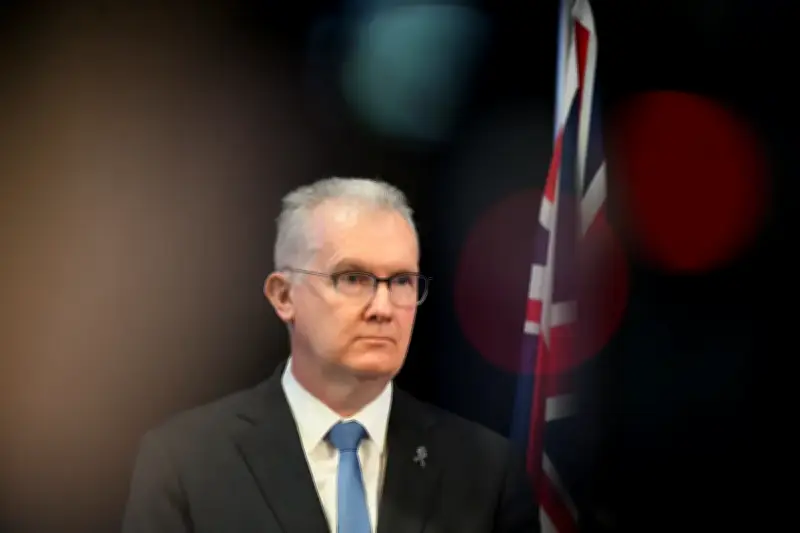
The Australian government has unveiled long-awaited changes to immigration rules, aiming to reduce net overseas migration to 245,000 this financial year and 225,000 by 2027-28. Home affairs minister Tony Burke announced the plans at the National Press Club in Canberra, outlining measures that will restrict international students from bringing dependents and introduce new enforcement against visa overstayers.
Key changes to student and family visas
Under the new policy, most international students will be required to come to Australia alone, with the vast majority unable to bring family members or dependents. This marks a significant shift, as last year Australia issued more than 337,000 international student visas, of which about 45,000 went to dependents or family members of the primary applicant.
Burke said the government would restrict so-called visa hopping by international students, preventing them from extending their stay indefinitely through repeated visa applications. Additionally, a new “no further stay” condition will be added to all visitor visas to ensure they are used only by genuine short-term visitors and do not provide a pathway to remain in the country.

Compliance measures and skilled visa priorities
The government will implement new compliance measures to ensure foreign citizens without valid visas leave the country. Burke stated that dodgy migration agents face new penalties for helping individuals rort the visa system. The skilled visa lists will also be updated to prioritise sectors including healthcare, construction, education, and law enforcement, with improved consideration for applicants in defence, resources, agriculture, aquaculture, and fishing.
These changes come as the Australian Bureau of Statistics confirmed that net overseas migration eased to 292,000 in the year to March, down from 299,000 in December. The Nom has fallen for seven consecutive quarters since September 2023 and is forecast to drop below pre-Covid levels by 2027-28.
Working holidaymaker changes and industry concerns
Amid concerns from the agriculture sector about potential workforce shortages delaying harvesting and processing ahead of Christmas, Burke announced changes to working holidaymaker visa rules. A ballot system will be introduced for years two and three, where there will be a regional work requirement. Processing times for working holidaymaker visa applications will be stabilised to three months.
It remains unclear how these changes would affect UK working holidaymakers, who are not subject to caps or regional working requirements. The character test will also be updated to reflect Australia’s stance on stamping out hatred and family violence.
Political context and reactions
Burke’s speech is the latest push by Labor to control the politics of immigration, coming as One Nation surges in the polls and community sentiment about overseas arrivals influences politics around the country. One Nation leader Pauline Hanson said on Monday her party would cut the number of temporary migrants in Australia by more than 750,000 over three years, singling out international students and family members of skilled migrants for tough treatment.
Business groups, universities, the aged care sector, and farmers have warned that major changes to overseas arrivals could slow the economy and hurt essential services. Opposition leader Angus Taylor dismissed Labor’s changes as “more of the same,” saying the government has overreached on every target and Australians are being let down. Taylor confirmed the Coalition would not offer bipartisan support for legislative changes.
Burke said Labor would continue control of the migration system but treat individuals with fairness and decency. “The government supports immigration but is opposed to anyone rorting the immigration system,” he said. “Almost everyone who comes to Australia is a good guest in our country. These reforms are to ensure that our migration system can be better targeted to the current needs of Australia.”