
Ireland's upcoming six-month presidency of the Council of the European Union, starting 1 July 2026, raises serious concerns due to the country's deep economic and regulatory entanglement with big tech. Critics argue that Ireland is so compromised that it should recuse itself from all tech and digital sovereignty negotiations during its term.
Historical precedent: GDPR negotiations in 2013
When Ireland last held the EU presidency in 2013, during negotiations on the General Data Protection Regulation (GDPR), a leaked Facebook memo revealed that company executives met then-Prime Minister Enda Kenny. According to the memo, the executives left with an understanding that Ireland would use its “significant influence” as EU Council president to deliver a “positive outcome” for Facebook. The memo also described a dinner hosted by senior Irish politicians to discuss ways Ireland could be helpful to the tech giant.
Ireland's role as EU's tech regulator
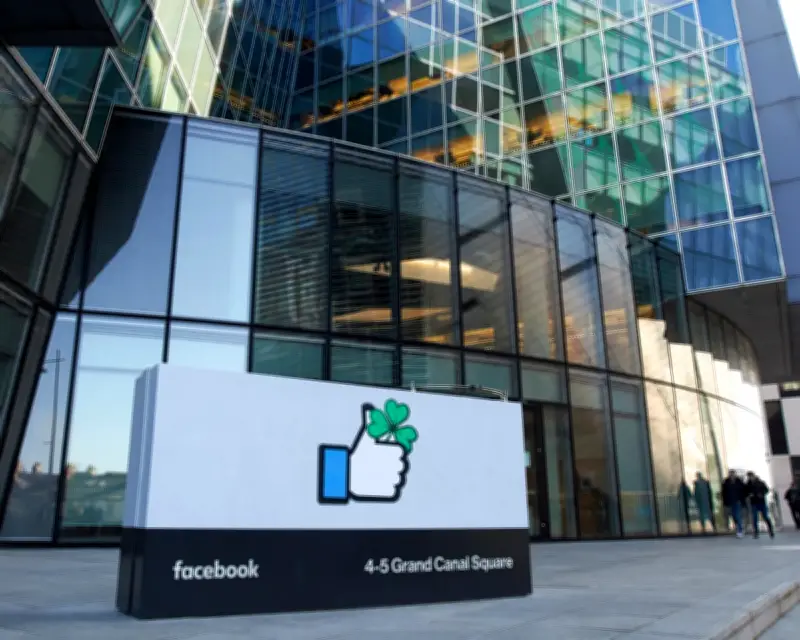
Under the EU's “country of origin” principle, Ireland is responsible for regulating tech companies that have their European headquarters in Dublin. This includes Google, Meta, Apple, Microsoft, OpenAI, TikTok, and X. The Irish Data Protection Commission (DPC) has become Europe's primary watchdog for the tech sector, a role Ireland pushed to secure during its 2013 presidency.
The effects have been staggering. The DPC's chairperson recently admitted that apart from “amicable resolutions” on trivial issues, Ireland has not completed a single EU inquiry into Google or its subsidiaries in the 10 years since the GDPR was enacted. Other member states must wait for Ireland to act in EU-wide responses, effectively paralysing protections.
Regulatory failures and conflicts of interest
When the DPC has enforced against big tech, it has done so poorly and under duress from other European regulators. In one instance, it moved quickly against Elon Musk's Grok AI but then accepted a settlement that appears to have collapsed. Ireland's media regulator, Coimisiún na Mean, has a better reputation but far weaker powers.
The revolving door between regulators and the tech industry is concerning. The previous data protection commissioner, Helen Dixon, now works for Meta's law firm, which continues to act in live cases against the DPC. Under Dixon, the DPC sued other European data authorities at the EU's top court for voting that it must investigate Meta's use of intimate data. While the case was dismissed, it granted Meta a year's reprieve from investigation.
Ireland's newest data protection commissioner, Niamh Sweeney, was previously Meta's senior lobbyist in Ireland during the Cambridge Analytica scandal. The recruitment process was criticised: the only tech expert on the selection panel was a lawyer for big tech, and criteria focused on generic skills like “managing relationships” rather than enforcement capability.
Economic dependency on big tech
Three US firms accounted for almost half of Ireland's corporate tax revenue in 2024. In 2022, Ireland collected almost five times more corporate tax per person than France or Germany. This economic dependency has led to criticism that Ireland has become not only a tax haven but a haven from regulation.
Impact on children and European democracy
The consequences have been grim for European democracy, competitiveness, security, and particularly for children. The 2026 film Molly v the Machines tells the story of 14-year-old Molly Russell, who took her own life in 2017 after social media algorithms pushed suicidal content into her feed. Critics argue that unless Ireland enforces EU data rules requiring “recommender algorithms” to be switched off by default, more children will be harmed.
According to a Eurobarometer poll this month, 92% of Europeans want the EU to deliver better protection for children online. Ireland is accused of blocking class actions against tech firms on behalf of children by prohibiting commercial funding, while permitting it for commercial arbitration.
Calls for recusal or pressure
Johnny Ryan, director of Enforce at the Irish Council for Civil Liberties, argues that Ireland should recuse itself from all tech discussions during its presidency. If not, other European capitals like Berlin, Paris, Warsaw, Madrid, and Brussels should pressure Ireland as they did after the banking crisis. “What was unfair then would be entirely fair this time,” Ryan writes.




