Dubai's Glittering Mirage Shattered by Missile Smoke
The carefully curated fantasy of Dubai as a sun-drenched, crime-free paradise for economic migrants has evaporated in the smoke of intercepted missiles. For years, influencers and wealthy expatriates sold the world a vision of endless possibilities in this tax haven, but recent attacks from Iran have exposed the harsh geopolitical realities lurking beneath the polished surface.
The Luxury Illusion Meets Military Reality
Dubai's appeal to economic migrants – including thousands of Britons who might resist the label – was built on a transactional promise: a sterilized, low-crime environment where anyone could pursue wealth without worrying about politics. This real-life Truman Show attracted hedge fund managers, property agents, crypto entrepreneurs, and social media influencers who broadcast their glittering lifestyles from beach clubs and luxury apartments.
"The trade was not that you were getting exposed to geopolitics," one anonymous hedge funder complained to the Financial Times, revealing how thoroughly the city's marketing had obscured its location just hundreds of miles from Tehran. The weekend's missile attacks forced even billionaire heiress Petra Ecclestone to admit she moved to Dubai "to feel safe" without considering the regional tensions.
The Human Cost Beyond the Super-Rich
While schadenfreude toward wealthy expats discovering money can't buy safety might be tempting, the crisis extends far beyond the super-rich. An estimated 300,000 Britons are currently trapped across the Gulf region, including honeymooners, business travelers, aid workers, and families visiting relatives.
More significantly, behind the wealthy influencers came an army of temporary workers – nannies, cleaners, fitness instructors, and service staff – many with families back home now terrified for their safety. These economic migrants face the same dangers while lacking the financial resources of their wealthy employers.
Iran's Strategy of Economic Disruption
Iran's missile attacks on Dubai hotels, Saudi oil refineries, and Qatari energy facilities represent a calculated strategy to weaponize interconnectedness. By targeting the Gulf's most westernized and economically open cities, the pariah regime aims to make the entire region appear too dangerous for investment, tourism, and energy reliance.
Dubai proves particularly vulnerable to this pressure precisely because its prosperity depends on being open to global capital and migration. The city was built by people transactional enough to follow the money, creating a population that could theoretically pack up and leave when conditions change.
The Migrant Experience in Luxury Clothing
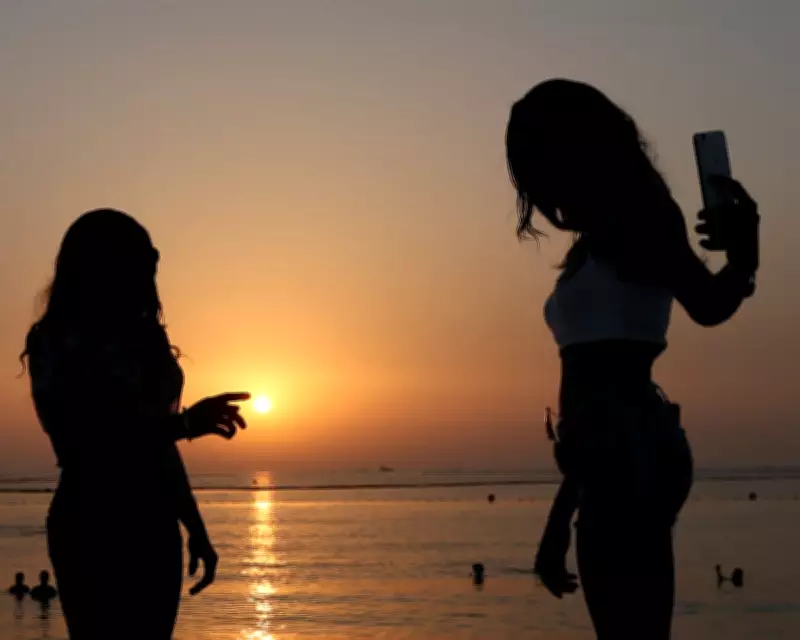
As influencers reportedly eye Bali as Dubai's replacement – cheaper, Instagrammable, and crucially farther from Iran – there's an opportunity for reflection. The wealthy content creators now experiencing a luxury version of refugee displacement could use their platforms to discuss the universal insecurity of the migrant experience.
Their millions of followers on TikTok, Instagram, and YouTube might benefit from understanding how moving abroad for a better life – something millions do daily under far more dangerous circumstances – involves tradeoffs and risks rarely shown in sponsored content. The same connections to the outside world that Iran seeks to destroy could become channels for more honest conversations about migration.
A Shared Reality for All Economic Migrants
The fundamental truth exposed by recent events is that whether you're a billionaire's daughter or a pool cleaner, if you moved to Dubai seeking economic opportunity, you're part of the global migrant experience. The fantasy of complete safety and separation from world events was always just that – a fantasy.
As Britain faces the economic ripple effects through rising gas bills, disrupted supply chains, and anxious diaspora communities, the interconnectedness of our global system becomes painfully clear. Dubai's crisis reminds us that in an interconnected world, geopolitical risks respect neither tax brackets nor influencer status.