
Dual Nationals Face UK Entry Denial Without British Passport from February 25
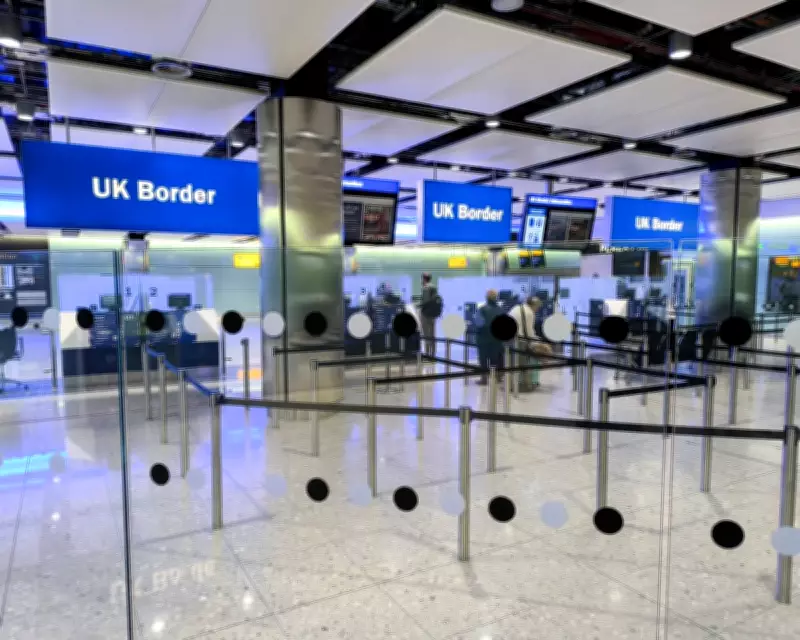
The Home Office has issued a stark warning to dual British nationals: they may be denied boarding flights, ferries, or trains to the United Kingdom after February 25 unless they carry a valid British passport. This new requirement stems from updated border controls that mandate all travelers to the UK obtain permission to travel, unless they are British or Irish citizens or fall under specific exemptions.
New Border Controls and Costly Alternatives
Under the revised rules, visitors planning short stays must apply for an Electronic Travel Authorisation, which costs £16 and is valid for six months. However, dual nationals are now obligated to present their British passport when entering the UK. For those without one, the alternative is a "certificate of entitlement" that attaches to their second nationality passport, but this comes with a hefty price tag of £589. Many affected individuals have criticized this fee as punitive and burdensome.
Personal Stories Highlight Widespread Concerns
One British woman residing in Germany for years, who holds dual nationality, expressed frustration over the sudden rule change. "I'm really annoyed about being treated as Brexit collateral once again with this short-notice, shortsighted, arbitrary change of the rules," she said. She worries particularly about her son, who is scheduled to travel to the UK in just four weeks and might face entry issues.
Another case involves a British woman living in Spain for over three decades. She acquired Spanish citizenship post-Brexit and has since traveled freely between the UK and Spain using her Spanish passport. However, Spain requires naturalized citizens to renounce previous nationalities. Presenting a British passport at the airport could legally jeopardize her Spanish nationality. She noted that this rule change will also impact children of British citizens born in Spain who have never held a British passport but are recorded as dual nationals at border control.
"It seems a strange anomaly that while the UK is willing to recognise dual nationality, it refuses to recognise that a valid EU passport held by a UK citizen can give right of entry to the UK," said Julie, who requested anonymity.
Immediate Impacts and Backlog Issues
A dual national born and educated in London, who is British Italian, shared his predicament. He booked a work trip recently, only to discover he might be stranded upon return. Having never held his own British passport, he has always traveled on his Italian passport for job-related purposes. He is set to fly to New York on Friday with his Italian passport but returns after February 25, lacking both an ETA and a British passport. When asked about the £589 certificate, he cited a weeks-long backlog that makes obtaining it before his trip impossible.
"I found myself having to travel at short notice and am now facing the idea that I may not be allowed back in to the country," said James, who is traveling to a museum in New York to finalize logistics for art loans to a European gallery.
Government Response and Advocacy Calls
A Home Office spokesperson stated, "From 25 February 2026, all dual British citizens will need to present either a valid British passport or certificate of entitlement to avoid delays at the border." The spokesperson explained that this measure is part of a digitization program aimed at creating a "seamless travel experience" while enhancing the government's ability to prevent threats and gain a comprehensive view of immigration.
In response, the EU citizens' campaign group The 3 million has advocated for a low-cost, one-time travel authorisation similar to Canada's system, replacing the current £589 certificate. Monique Hawkins, head of policy and advocacy, urged, "The UK already has the technology to do the same, so we urge them to act now to ensure British citizens are not locked out of their own country."
This development has sparked widespread concern among dual nationals, with many feeling the rules were poorly communicated and impose significant financial and logistical hurdles. As the February 25 deadline approaches, affected individuals are scrambling to comply, highlighting ongoing tensions in post-Brexit immigration policies.




