
Asylum seekers will be required to repay approximately £10,000 for state-funded living costs or face denial of settled status in the UK under a new law set for parliamentary debate on Tuesday. The means-tested scheme, part of the immigration and asylum bill, has drawn sharp criticism from charities who label it a tax on individuals fleeing persecution.
Details of the repayment scheme
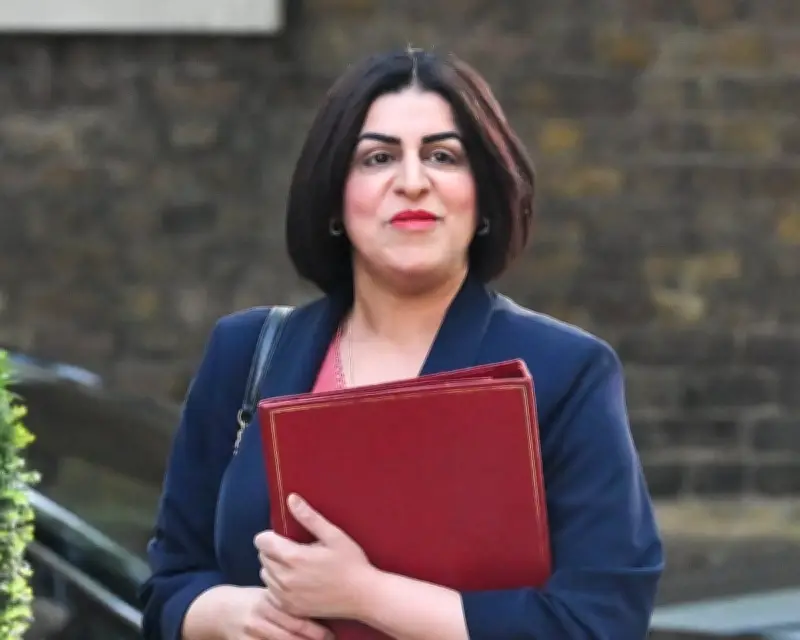
Home Secretary Shabana Mahmood unveiled the plan amid intense pressure on Labour to curb the £4 billion annual expenditure on asylum accommodation and support. 'Receiving asylum support is a right, but it is also a responsibility. Once people can contribute and repay the generosity of the British people, we expect them to do so,' Mahmood stated.
According to the Home Office, asylum seekers will need to repay a total of about £10,000, though the home secretary retains authority to adjust the charge. Successful applicants deemed to have sufficient funds will be required to pay a flat-rate fee. 'Migrants will be required to pay off the full amount before being eligible for settlement,' the Home Office confirmed.
Criticism from charities and experts
Imran Hussain, director of external affairs at the Refugee Council, condemned the policy: 'Imposing what amounts to an extra tax on refugees, who the Home Office accepts have arrived here after fleeing persecution, torture and war, is unfair, impractical and makes it much harder for families to rebuild their lives and stand on their own feet.' He added that the need for asylum support often stems from the Home Office's own ban on asylum seekers working while their claims are assessed.
Zoe Dexter, housing and welfare manager at the Helen Bamber Foundation, described the proposal as 'more performative cruelty from the government,' noting the lack of detail or a credible plan to address chronic delays in the asylum system.
Financial impact and feasibility
Madeleine Sumption, director of the University of Oxford's Migration Observatory, indicated the scheme's financial impact would likely be minimal. 'The data suggests that unless thresholds were significantly below the minimum wage, a relatively small share of people granted asylum would earn enough to make contributions,' she said. In 2023, only about 13% of people granted refugee status five years earlier earned at least £20,000, while the national living wage stands at just under £25,000.
Sumption also warned of potential unintended consequences: 'It is possible that the scheme could have some other impacts, such as discouraging asylum seekers from taking up accommodation if they can find other support, or discouraging them from working once they get refugee status because they face a higher effective tax rate.'
Implementation and broader bill provisions
A Home Office spokesperson stated that details such as income thresholds would be set out in secondary regulations, and the department could not fully cost the scheme until those details are decided. The immigration and asylum bill also aims to direct how Article 8 of the European Convention on Human Rights applies in immigration cases, strengthen age assessments, and amend the modern slavery framework to prevent late presentation of claims, according to Whitehall sources.




