
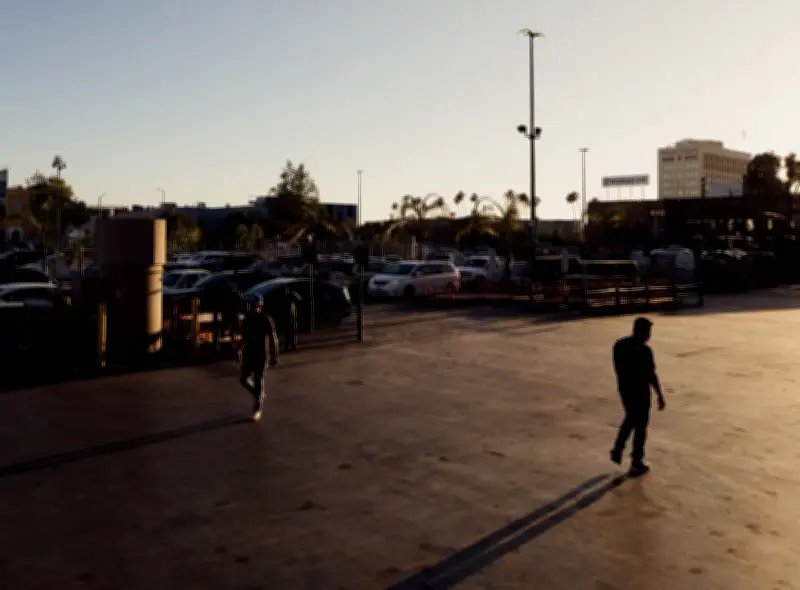
A year after armed federal immigration agents descended on Los Angeles, the city is still grappling with the aftermath. In East Los Angeles, Brian Gavidia, a U.S. citizen, recalls being pinned against a gate by agents who refused to believe his citizenship. The raids last summer brought an unprecedented influx of ICE and border patrol agents, along with National Guard troops, into the city with the largest undocumented population in the U.S. Thousands were arrested, leading to mass protests and several deaths. Mutual aid networks formed to support terrified immigrants.
Scars That Remain
Many Angelenos' lives have been permanently altered. Lorena, who stayed indoors for weeks, now sells tamales again in Koreatown. Yurien is haunted by the image of her father being handcuffed and taken away. Noemi's husband was deported to Mexico last June. Elizabeth Brennan of the Warehouse Workers Resource Center notes, "It's like we have little missing teeth, everywhere."
Brian Gavidia's Story
Gavidia's experience became part of a class-action lawsuit against ICE for racial profiling. After the raid, business declined, and he had to close his used-car dealership. He couldn't have his daughter visit for safety. A federal court initially halted indiscriminate raids, but the Supreme Court overturned that ruling, devastating Gavidia. The ACLU continues to challenge the outcome.
Day Laborers in Fear
At a Home Depot in MacArthur Park, day laborers remain cautious. Frederico, a laborer from Guatemala, says, "Until the mandate of the president ends, we are going to be in danger." Fewer workers come, and jobs have dwindled. In the fashion district, Antonio's fabric shop saw sales drop 85% after a raid at a nearby factory.
Ongoing Detentions and Harsh Conditions
Though roving patrols are less common, arrests continue. Detainees at Adelanto detention center launched a hunger strike protesting poor conditions. Bond amounts have skyrocketed, making release difficult. Jennifer Gutierrez of CLUE raised $1.5 million for bonds but has seen few returned.
At a People's Hearing on Immigration Enforcement, activists called for reprieve. Gavidia testified, saying, "We're not done fighting for our rights." He is restarting his used car business, determined to rebuild.




