
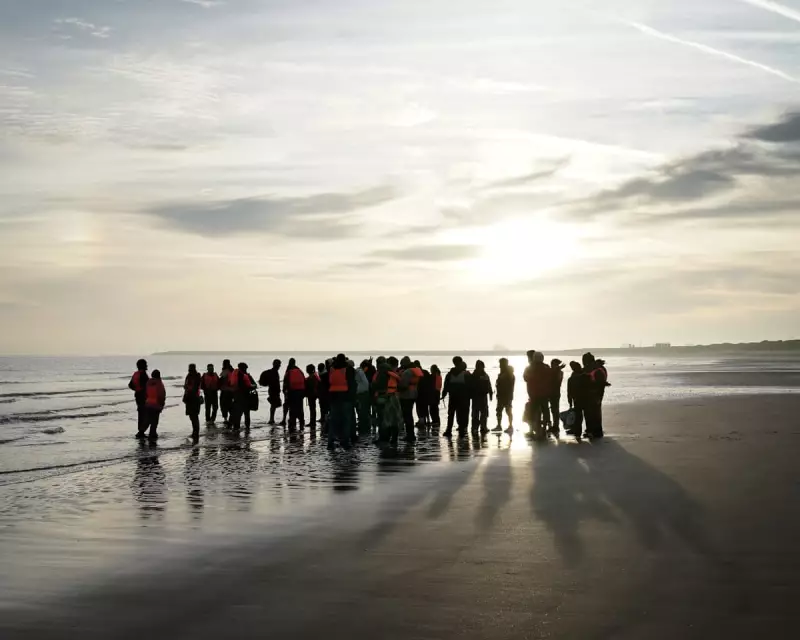
The UK witnessed the second highest annual number of small boat Channel crossings on record last year, with official figures revealing more than 41,000 people made the perilous journey. The Home Office has described the total as "shameful," igniting fresh political debate over the government's strategy to tackle illegal migration.
Record Pace Slows in Final Months
According to the released data, 41,472 individuals arrived in Britain via small boats in 2025. This figure is only surpassed by the 2022 record of 45,774 crossings. The total for 2025 represents a significant 13% increase compared to the previous year's numbers.
Officials noted that for much of the year, crossings were occurring at the highest rate ever recorded. However, this pace showed a marked slowdown during the final two months of 2025, slightly reducing the year-end total.
Political Reactions and Policy Responses
A Home Office spokesperson stated the British people "deserve better" and outlined the government's actions. These include the removal of almost 50,000 people in the UK illegally and a pivotal "one-in, one-out" returns agreement negotiated with France, intended to act as a direct disincentive to crossings.
The government is also relying on new powers granted by the Border Security, Asylum and Immigration Act, which became law in December. This legislation introduces fresh criminal offences and grants law enforcement counterterror-style powers to target people-smuggling networks.
In a major policy shift announced in November, Home Secretary Shabana Mahmood unveiled plans inspired by the Danish system. These reforms will make refugee status temporary, subject to reviews every 30 months, and increase the wait for permanent settlement from five to 20 years.
Criticism from All Sides
Opposition parties were quick to condemn the figures. Conservative shadow home secretary Chris Philp argued that leaving the European Convention on Human Rights (ECHR) was the only effective solution, accusing Labour of "cosmetic tweaks" that had resulted in only 5% of arrivals being removed.
Reform UK leader Nigel Farage labelled the government's approach a "complete disaster" and a "farce," making unsubstantiated claims about the potential threat posed by new arrivals.
Charities, however, offered a different perspective. Enver Solomon, CEO of the Refugee Council, emphasised that most individuals undertaking the dangerous crossing were fleeing regimes like the Taliban or brutal civil wars. He argued that punitive measures against those ultimately found to be refugees were "unfair and not an effective deterrent."
The political battle over the data intensified as the Conservatives claimed foreign nationals arriving by boat were more likely to go to prison. This was challenged by fact-checkers, with Full Fact noting in July that the University of Oxford's Migration Observatory had found no reliable public data to support such an assertion about crimes committed by this specific group.




