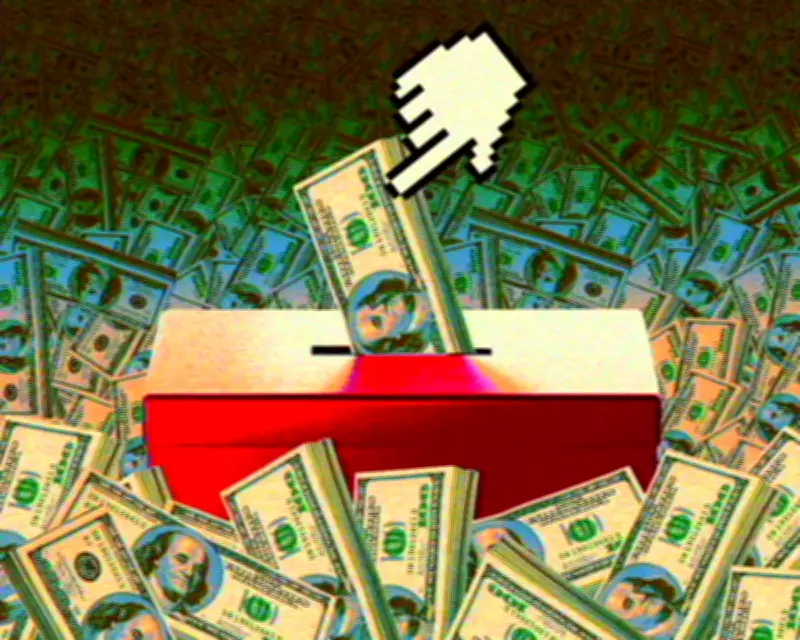
Tech billionaires have spent unprecedented sums ahead of California's June 2 primary election, marking an unparalleled attempt to influence the state's political landscape. The industry has adopted a comprehensive strategy, funding candidates and ballot measures at all levels, contributing to what experts predict will be the most expensive primary season in California's history.
Motivations Behind the Spending
The goal, according to analysts, is to secure political and regulatory leverage that will sustain the tech industry's dominance. Francesco Trebbi, a public policy professor at the University of California, Berkeley, explained: "This money is flowing toward politicians who can shape the regulatory agenda for the next five years. The cycle of economic power producing political power, and vice versa, is ongoing."
Campaign finance filings reveal that Google co-founder Sergey Brin has spent $66 million since January—more than any other donor—to oppose a billionaire tax on the November ballot. Democratic gubernatorial candidate Matt Mahan has received the most donations from tech executives at Google, Amazon, Snap, LinkedIn, Reddit, and Palantir. Crypto mogul Chris Larsen has funded three Super PACs with $26 million, including $1 million to back a candidate for state insurance commissioner. Google and Meta have jointly contributed $10 million to a Super PAC supporting assembly and senate candidates across the state. Tech money is also flowing into city primaries, with PACs sponsoring voter guides on local tax measures.
For Silicon Valley, this spending is existential as it races to develop artificial intelligence. Favorable candidates could allow tech companies to grow rapidly while avoiding restrictive regulations. Trebbi warned that the disclosed spending likely represents only a fraction of the total, as donors often use dark money entities that are not traceable through public filings. "These are sophisticated political givers who use both visible and invisible forms of influence," he said. "What we're seeing now is just the tip of the iceberg."
Top Donors and Their Targets
The influx of dollars has bombarded voters from Oakland to Bakersfield to Orange County with TV ads, robotexts, and mailers. Chris Larsen, worth about $12 billion, has spent millions on over a dozen primary campaigns, targeting races at the city, county, and state levels. Sergey Brin, worth approximately $290 billion, has focused on blocking a one-time 5% tax on billionaires, the proceeds of which would fund education, food assistance, and healthcare. Brin has donated at least $66 million to a Super PAC opposing the tax and spent $500,000 in San Francisco to fight a measure expanding taxes on high-paid CEOs. Notably, Brin moved to Nevada late last year but continues to influence California politics.
The tech industry is also spending heavily on lobbying. According to CalMatters, tech companies paid $39 million to lobby the state government in 2025 alone—more than any previous year and surpassing the oil and gas industry. Bloomberg analysis shows that top tech and AI firms spent $109 million on federal lobbying in 2025, with their state lobbying in California representing 36% of that figure, highlighting the state's importance.
Tech's Favorite in the Governor's Race
Among the 62 candidates on the June 2 primary ballot, Matt Mahan, the centrist Democrat mayor of San Jose, has emerged as the tech industry's favorite. Mahan, who entered the race late, quickly amassed nearly $50 million in contributions—more than any other gubernatorial candidate except Tom Steyer's self-funded campaign. Donors include prominent venture capitalists and executives from Google, Amazon, Snap, eBay, PayPal, Stripe, LinkedIn, DoorDash, Reddit, Netflix, Palantir, Anduril, Roblox, and Riot Games.
Sergey Brin donated the maximum individual limit of $78,400 and contributed $1 million to the pro-Mahan Super PAC Deliver for California. Mahan reportedly flew to Lake Tahoe in March to meet Brin personally, though Brin's girlfriend later alleged Mahan texted Brin to apologize for attending a No Kings rally. Mahan's overtures to both progressives and conservatives have drawn criticism from leading Democrats. Congressman Ro Khanna endorsed Steyer, while state assembly members from Mahan's district accused him of being "handpicked" by the tech industry. Lorena Gonzalez Fletcher, president of the California Labor Federation, said Mahan is the only Democrat she is not promoting because she is "opposed to the candidate funded by Trump's big tech billionaires."
Mahan denies catering to special interests, stating: "I'm not running for tech. You would not find a single example of me doing something to benefit the industry to the detriment of the community. If anything, I've fought hard to get them to do their fair share." Despite the cash influx, Mahan's campaign has failed to gain traction, with polls showing him at just 4% support. The Brin-funded Deliver for California Super PAC shuttered last month.
Local and State-Level Campaigns
While the tech industry has focused on a single candidate for governor, it has taken a broader approach in local races. Chris Larsen has funded Super PACs targeting various causes. The Golden State Promise Super PAC, which received $10 million from Larsen and Ripple Labs, opposes the billionaire tax. Another PAC, Californians for an Affordable Future, received $1 million from Larsen to support Ben Allen, a Democrat, in the insurance commissioner race against Bernie Sanders-backed Jane Kim. Larsen's Grow California Super PAC, with $15 million from him and $5 million from crypto evangelist Tim Draper, aims to "rebuild a state capital" and has injected hundreds of thousands into about a dozen state assembly and senate primaries.
Google and Meta have each contributed $5 million to the California Leads Super PAC, which supports candidates in the Central Valley and elsewhere. John Bennett of the California Initiative for Technology and Democracy noted that spending over $500,000 on a local primary is "a huge sum of money." He observed that tech spending has focused on about a dozen open seats, suggesting a long-term strategy to make the legislature more friendly to the industry. Airbnb and Uber have also donated smaller amounts to local races.
City campaigns are also seeing tech infusion. Palantir co-founder Joe Lonsdale, despite living in Texas, contributed to Los Angeles mayoral hopeful Spencer Pratt. Several 501(c)(4) groups backed by Silicon Valley money have emerged in the Bay Area, sending mailers and robotexts with voter guides that recommend voting against union-backed parcel taxes. "They're going at this from multiple fronts," Bennett said. "They're spending in elections, in the legislature, and trying to ensure they don't lose their foothold in this economic system."