
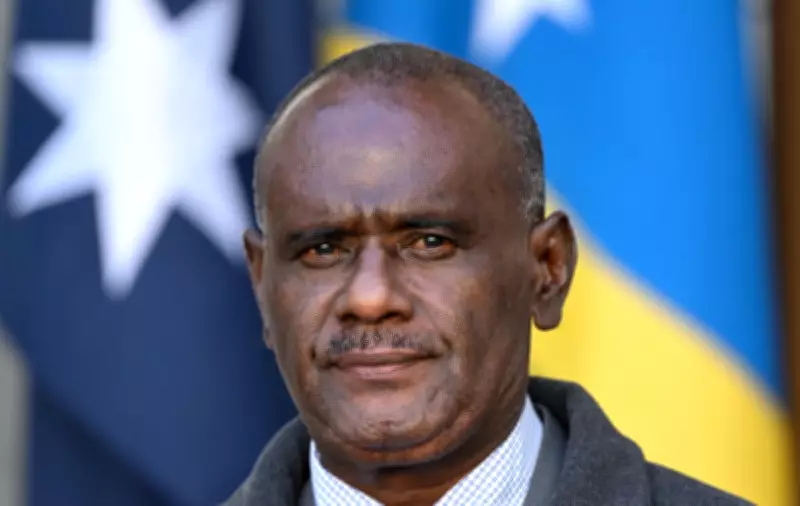
Solomon Islands Prime Minister Jeremiah Manele was ousted in a no-confidence vote on Thursday, ending months of political uncertainty in the South Pacific nation. The vote, which Manele lost 22 to 26, prompted parliament to adjourn so the governor general could arrange for the election of a new leader.
Political Turmoil and Court Ruling
Ahead of the vote, Manele criticized the country's court for setting a "dangerous precedent" by ruling that lawmakers must convene for the no-confidence motion. The Government for National Unity and Transformation had been at an impasse since March, when mass cabinet resignations and the exit of two coalition partners destabilized the administration. Last week, an appeal court ordered Manele, who had avoided the motion for seven weeks, to convene parliament by 7 May.
Heavy Security and Opposition Strength
There was a heavy police presence around parliament on Thursday as two camps of lawmakers arrived in separate buses. The new opposition coalition of six political parties demonstrated it commanded 27 seats in the 50-seat chamber. Former foreign minister Peter Shanel Agovaka, who resigned from cabinet in March and is the frontrunner to become the next prime minister, accused Manele of weak leadership and conferring favours to business cronies.
"Here we have a group of people who are feeding themselves to the coffers," Agovaka told parliament. He also highlighted a lack of transparency, including no audit reports for the large sums spent on the 2024 Pacific Games and last year's Pacific Islands Forum leaders meeting. The International Monetary Fund raised concerns about accountability and anti-corruption reforms in March.
Manele's Defence and International Implications
Manele expressed disappointment, saying he had no time to prepare a response to the allegations. He called the court's order to convene parliament "judicial overreach of the highest order." The Solomon Islands, with a population of 850,000, sits about 2,000 km east of Australia and receives significant aid from both Canberra and Beijing. Debt to China for infrastructure projects doubled last year, according to budget documents. In 2022, the country signed a security pact with China that alarmed the US, Australia, and other Pacific neighbours.
Strategic Significance
Manele was elected prime minister in 2024 by a coalition after a national election failed to deliver a clear majority. The Lowy Institute's director of research, Mihai Sora, said Manele's ousting "will probably make things more difficult for Australia," which sought to upgrade police ties with the Solomons to counter Beijing's influence. "There's every chance that Manele will be replaced by someone seen as more China-friendly," he added. Changes of leader in the strategically located archipelago are closely watched by both China and the West.




