
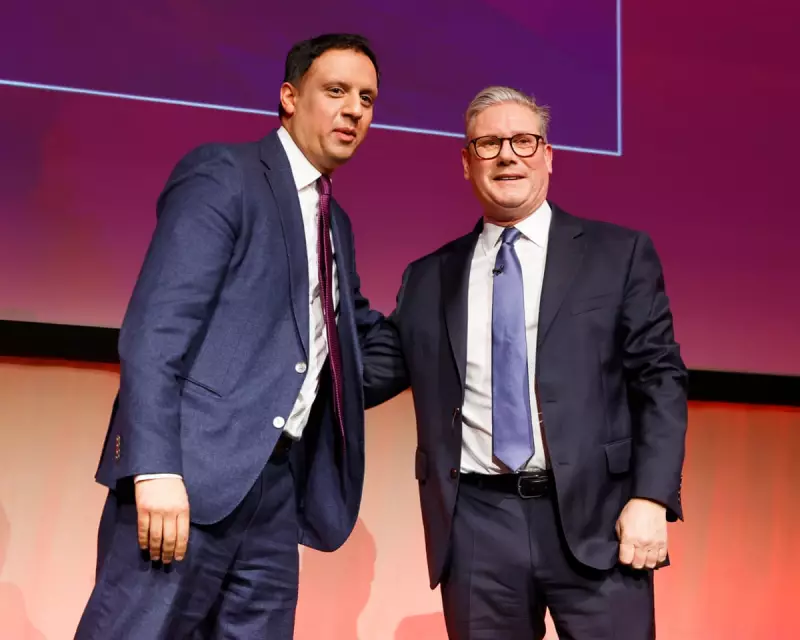
Scottish Labour leader Anas Sarwar has issued a stark message to Prime Minister Keir Starmer and his senior ministers, urging them to remain in Whitehall and avoid campaigning in Scotland ahead of the crucial Holyrood election in May.
Sarwar's Plea to a Distant Prime Minister
Speaking in Edinburgh, Sarwar stated that the best thing the UK Labour government could do was to "be behind their doors and in their departments getting things right". He argued that policy failures and communication missteps from Westminster had left voters "angry, frustrated and impatient", turning his party into clear underdogs in the race for the Scottish Parliament.
Sarwar acknowledged his party had failed to properly communicate its achievements, such as raising wages and tackling NHS waiting lists, while making serious errors like the controversial cancellation of the winter fuel payment. This frustration is shared privately by Scottish Labour strategists, who believe No 10 has squandered the substantial polling leads gained after resoundingly beating the Scottish National Party in the 2024 general election.
Polling Plunge and the Reform UK Threat
The political landscape has shifted dramatically. Recent polling over the past three months shows the SNP comfortably ahead in the mid-30s, while Scottish Labour support has slumped from similar levels last year to the high teens. Alarmingly for Labour, Reform UK has overtaken the party in some surveys.
Sarwar identified Nigel Farage's party as Labour's biggest electoral threat, with voters using it as an outlet for their discontent with the UK government. Despite this, Sarwar insisted Scottish Labour was used to proving detractors wrong, highlighting a £1 million election war chest and the delivery of more than 1 million campaign magazines to households.
SNP's Confident Stance on Independence
Meanwhile, the SNP struck an optimistic tone at its own campaign launch in Glasgow. Leader and First Minister John Swinney focused on presenting a "positive vision for the future", anchored firmly in the promise of independence. He argued that an SNP majority in May would, by the precedent set in 2011, justify another referendum on Scotland's constitutional future.
Swinney contrasted his party's hopeful mood with a UK he accused of "lurching further and further to the right", citing Brexit, austerity, and divisive rhetoric on immigration. When pressed on how he would overcome Westminster's refusal to grant a referendum, Swinney told reporters he had "various tactics I could deploy when the time is right", without giving further details.
The Scottish Conservative leader, Russell Findlay, also campaigning in Edinburgh, said cost-of-living pressures would dominate the election. His party faces its own challenges, with support collapsing as Reform gains ground and several defections to Farage's party, which has yet to appoint a Scottish leader.




