
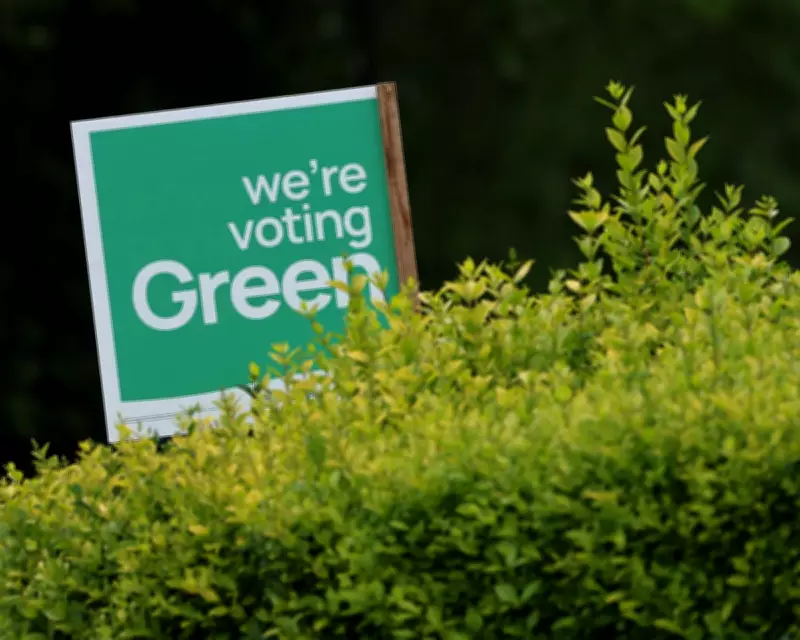
As the local elections approach on 7 May, a Green party sign displayed in north London serves as a reminder of the choices ahead. In a series of letters to the editor, readers express concerns about the purpose of these elections and the potential consequences of protest voting.
Protest Votes Could Harm Local Services
Viv Pert from London urges voters to be cautious: "There is much in the news about people using the local elections on 7 May to send a protest message to the government and to Keir Starmer in particular. I would urge people to remember that this election is for councillors to run local services. Their remit will be to deliver services including social care, schools, housing, planning, waste collection and pest control. Do you really think that parties such as Reform UK have the skills or mindset for this? Be careful what you wish for, and save any protest vote for the next general election."
Pollsters May Underestimate Support for Certain Parties
Brian Smith from Berlin, Germany, adds a note of caution about polling accuracy: "These are such uncertain times, especially for Keir Starmer. One thing is certain, though: the local election results will be worse for Labour than anyone thinks because the pollsters so often underestimate the percentage, usually 4% or 5%, of those who can’t admit that they will vote for the bad guys – as with the Brexit vote."
Contrasting Views on Heaven
Melanie White from Marazion, Cornwall, offers a different perspective on enjoyment: "John Crace’s idea of pure heaven is counting dogs on his walk and watching them sniff at everything. That is my idea of pure hell. My heaven is walking by the sea and the smell of clean air (no dogs allowed)."
Low-Tech Teaching Methods
Michael Heylings from Mitcheldean, Gloucestershire, reflects on his teaching career: "Screens were not available to pupils when I was a maths teacher. My own breakthrough in technology was to supplement white chalk at the blackboard with coloured chalk. This didn’t seem to hinder the students’ learning."
These letters highlight diverse opinions on local elections, polling, personal preferences, and educational methods. Readers are encouraged to share their own views by emailing the letters section.




