
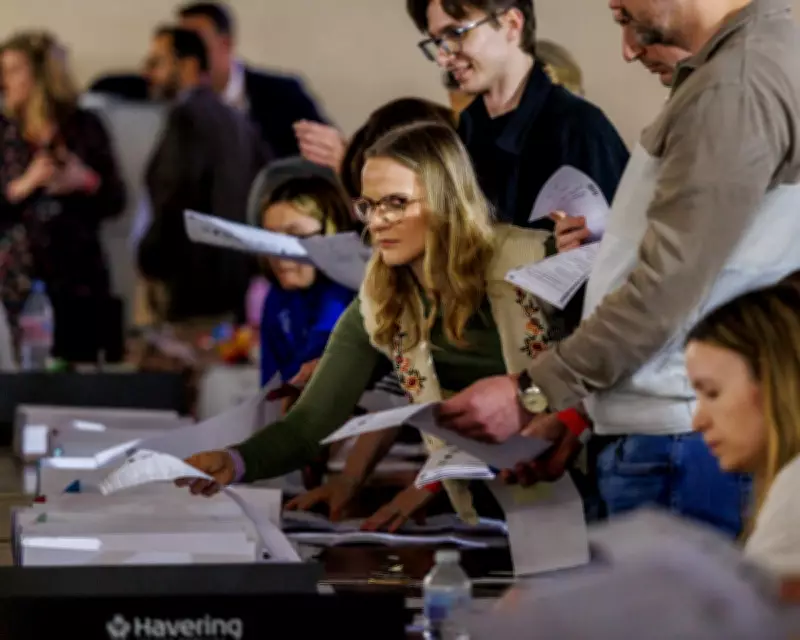
Early results from local elections in England have revealed a surge for Reform UK and heavy losses for the Labour Party, underlining what experts describe as the fracturing of British politics. With counting still underway in many areas, the initial outcomes provide a glimpse into shifting voter sentiment.
Key Results So Far
Labour has lost control of seven councils, including Tameside in Angela Rayner's constituency, which it had run for 47 years. Reform UK gained more than 200 seats before dawn, prompting Nigel Farage to declare a historic change in British politics. Polling expert John Curtice noted that Reform had substantial success, taking more than half the seats declared so far, while Labour lost four in five. However, he cautioned that none of the parties are very large, with Reform likely not reaching 30% of the vote.
Conservative and Lib Dem Performance
The Conservatives have had a bruising night, while the Liberal Democrats may not have fared as well as hoped, despite deputy leader Daisy Cooper hailing results as stonking. The Green Party saw numbers edging up, but Curtice noted they were getting too many creditable second and third places to convert votes into seats.
Political Reactions
Fury from within Labour has been spilling out. Rebecca Long-Bailey called it a soul-destroying night, while Ed Miliband reportedly had private words with the prime minister to set out a timeline for him to go. In Hartlepool, where Reform took all 12 seats, Labour MP Jonathan Brash urged the prime minister to address the nation and set out a timetable for his departure. However, David Lammy said it was not time for Starmer to depart, comparing the situation to not changing the pilot during a flight.
Nigel Farage used the early gains to suggest Reform is on course for general election victory, comparing the party's wins to clearing Becher's Brook to win the Grand National. John McDonnell urged caution, saying results in Wales and Scotland may be more influential, but a potential leadership change must be on the agenda if Labour has nightmare elections there.
What Happens Next
Most parts of England, Wales and Scotland will begin their counts in the next few hours, with results expected to trickle through during the afternoon. Key battlegrounds include Sheffield, Manchester, Essex, Norfolk, Sunderland, and Barnsley. London areas such as Hackney, Harrow, Barnet, and Barking and Dagenham are also politically volatile. The first session of the newly expanded Senedd is expected on 13 May, while the Scottish parliament must hold its first meeting within seven days of the election.
In Westminster, parliament prorogued on 29 April and will meet again on 13 May for the state opening, where King Charles will read out Labour's next legislative agenda, assuming Starmer remains at the helm.




