Four Years of Conflict: The Profound Transformation of Two Wartime Leaders
The ongoing war in Ukraine has now persisted for over 1,460 days, fundamentally reshaping not only the geopolitical landscape of Eastern Europe but also the very leaders at its center. Volodymyr Zelenskyy of Ukraine and Vladimir Putin of Russia have undergone remarkable personal and political transformations during this prolonged conflict, with their leadership styles, domestic standing, and international images evolving in dramatically different directions.
The Metamorphosis of Volodymyr Zelenskyy
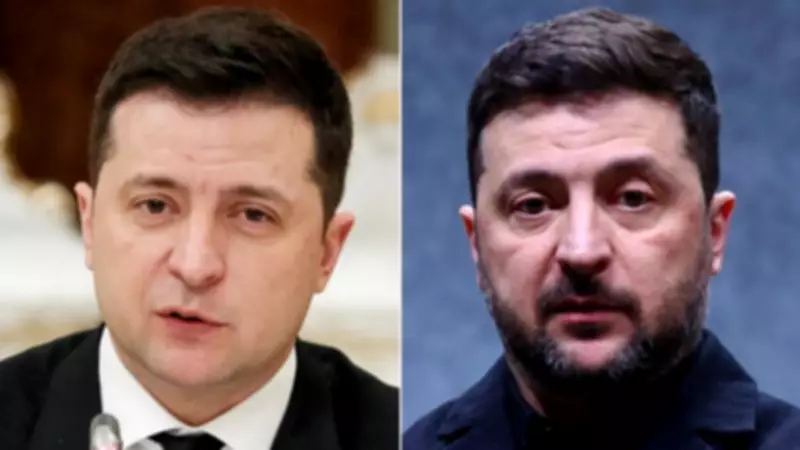
President Zelenskyy has experienced one of the most dramatic image transformations of any contemporary world leader over the past four years. Transitioning from a relatively inexperienced president with a background in acting to becoming the central symbol of Ukrainian resistance and democratic defiance, his evolution has been both visible and profound.
Domestic Standing and Leadership Evolution
Domestically, the full-scale Russian invasion in 2022 triggered an initial surge in approval and trust as Ukrainians rallied behind their leader. Zelenskyy's decision to remain in Kyiv despite offers of evacuation became symbolic of Ukrainian resistance, with his famous declaration "I need ammunition, not a ride" resonating globally. This moment established him as a unifying figure who provided nightly video updates and made frontline visits to inspire troops.
However, as the conflict progressed, economic strain, war fatigue, and political controversies including anti-corruption protests and energy sector investigations have slightly diminished his domestic approval ratings, though he maintains broad overall support among the Ukrainian population.
International Image and Diplomatic Presence
Globally, Zelenskyy's standing skyrocketed after 2022, transforming him from Ukraine's leader into the face of its diplomatic efforts. By framing the conflict as a broader struggle between democracy and authoritarianism, he successfully positioned Ukraine as defending European and Western values. His repeated addresses to parliaments and world leaders have sustained crucial foreign support, though questions about corruption persist among European allies.
Personal Transformation and Family Impact
Personally, the war has taken a significant toll on Zelenskyy and his family. With his family evacuated to secret locations for safety, the separation has reportedly made him more emotionally sensitive to family connections. First Lady Olena Zelenska noted in 2023 that her husband now appreciates simple communication with his children more deeply than before the conflict began.
The Evolution of Vladimir Putin
Meanwhile, Russian President Vladimir Putin has experienced his own transformation, though in a markedly different direction. From hoping for Ukraine's capitulation within days to overseeing a war entering its fifth year, Putin's global standing has deteriorated significantly while his domestic position has been sustained through state-controlled narratives.
Domestic Control and Public Perception
Inside Russia, Putin's popularity has been maintained through a combination of state-controlled messaging, repression of dissent, and wartime patriotic mobilization. His approval ratings initially rose sharply after the invasion began, reaching some of the highest figures in years. Despite economic pressures and military setbacks, independent and state pollsters still report significant backing among many Russians, though accurate public opinion remains difficult to gauge due to censorship and media control.
The Kremlin has demanded active participation in and support for the war since 2022, with opposition politics outlawed and independent media largely dismantled. Even mentioning the war in ways contradicting official narratives can lead to prison sentences, though some direct criticism has emerged regarding conscription and economic pressures.
International Isolation and Diplomatic Realignment
Internationally, Putin's reputation has worsened dramatically. While relations with Western governments were already strained before 2022, the invasion transformed long-standing suspicion into broad diplomatic isolation. No longer comfortable at global forums frequented by world powers, Putin has narrowed his diplomatic circle, signing comprehensive strategic partnerships with North Korea in 2024 and China in 2025 while experiencing a shift in relations with the United States following Donald Trump's return to the White House.
Personal Isolation and Emotional Toll
Personally, Putin has acknowledged that the ongoing war has changed him significantly. During his 2024 year-end press conference, he stated that the conflict has caused him to "joke less" and "almost stop laughing," adding that his happiness would not be complete until all Russian forces return from the frontline. He has also become more physically and socially isolated, with fewer spontaneous public interactions and reduced foreign travel compared to pre-war years.
Contrasting Leadership Paths in Prolonged Conflict
The four-year war has created starkly different trajectories for these two leaders. Zelenskyy has transformed from a political newcomer into a global symbol of resistance, maintaining international support while navigating domestic challenges. His leadership style has evolved from presidential formality to wartime pragmatism, rarely seen outside military fatigues as he directs Ukraine's defense.
Conversely, Putin has shifted from a leader engaging with global institutions to one increasingly isolated internationally while maintaining domestic control through state narratives. His personal demeanor has become more serious and withdrawn, reflecting the weight of a conflict that has extended far beyond initial expectations.
Both leaders have been fundamentally shaped by the prolonged conflict, with their personal lives, political strategies, and global standing irrevocably altered. As the war enters its fifth year, their continued evolution will likely determine not only the conflict's outcome but also the future political landscape of their respective nations and the broader international order.