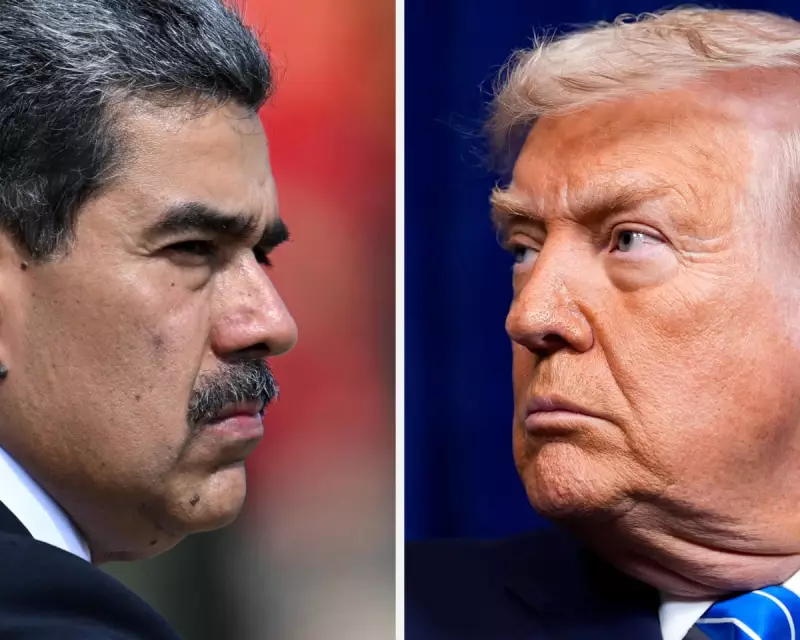
In a bold and decisive move that has sent shockwaves through international diplomacy, the United States government has formally initiated steps to remove the sitting president of Venezuela, Nicolas Maduro, from power. This action, confirmed on Monday, represents a significant escalation in Washington's approach to the prolonged political and economic crisis gripping the South American nation.
The Catalyst for a Dramatic Escalation
The decision, announced by the US State Department, is not an isolated incident but the culmination of years of deteriorating relations. The administration cited the continued erosion of democratic institutions, widespread human rights abuses, and the catastrophic collapse of Venezuela's economy under Maduro's leadership as the primary justifications. This move effectively throws the full diplomatic and economic weight of the US behind opposition leader Juan Guaido, whom Washington and dozens of other nations recognise as Venezuela's legitimate interim president.
Analysts point to a recent sharp increase in political repression and the failure of multiple rounds of negotiated talks as the immediate triggers. The Maduro government's crackdown on dissent and its manipulation of electoral processes have left the US and its allies convinced that a change in leadership is the only viable path to restoring democracy and alleviating the profound humanitarian suffering of the Venezuelan people.
Mechanisms and Immediate Fallout
The US strategy employs a multi-faceted approach, combining intense diplomatic pressure with stringent economic sanctions. Key measures include freezing assets of the Maduro regime and its key supporters within the country's oil, financial, and military sectors. Furthermore, the US is rallying its international partners to isolate Maduro diplomatically and increase recognition of Guaido's parallel government.
The reaction from Caracas was swift and defiant. The Maduro administration condemned the US action as a blatant violation of international law and Venezuelan sovereignty, characterising it as another attempt at a "Yankee-backed coup." Meanwhile, Juan Guaido welcomed the US decision, framing it as crucial international support for the Venezuelan people's fight for freedom. The move has deepened the existing rift within the international community, with nations like Russia, China, and Iran condemning US interference, while key European and Latin American allies have largely aligned with Washington's position.
Implications for Venezuela and Global Politics
The long-term consequences of this policy shift are profound and uncertain. Within Venezuela, the move risks further polarising an already divided society and could potentially lead to increased instability. The critical question remains whether the nation's powerful military, a cornerstone of Maduro's power, will maintain its loyalty or begin to fracture under the weight of intensified sanctions and diplomatic isolation.
On the global stage, this action signifies a more interventionist stance by the US in Latin America, potentially recalibrating regional power dynamics. It also sets a notable precedent for how Western democracies might respond to governments they deem illegitimate. The success or failure of this strategy will be closely watched worldwide, serving as a case study for the limits and possibilities of external pressure in forcing political change. The immediate future for Venezuela appears poised between the potential for a negotiated transition and the threat of escalated conflict, with the well-being of millions of citizens hanging in the balance.