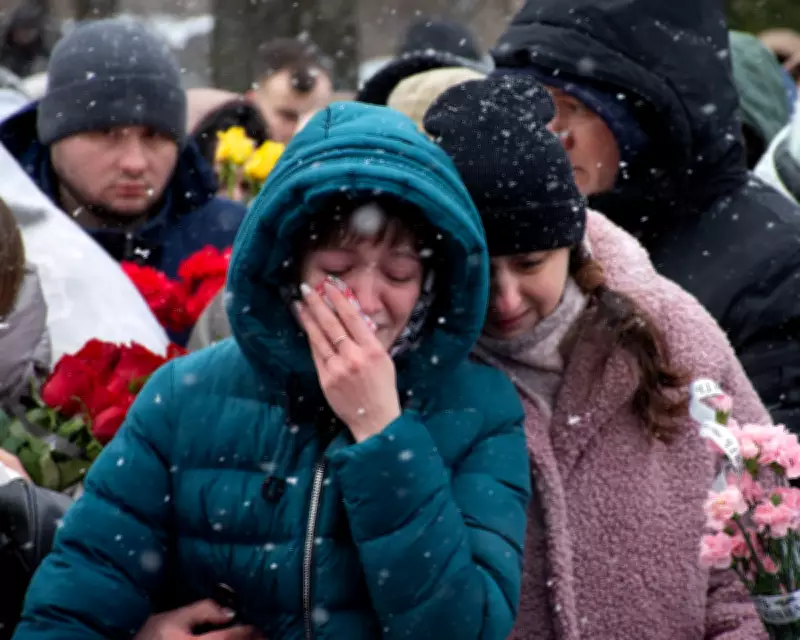
The Fading Moral Clarity in the Ukraine Conflict
Since Russia's invasion of Ukraine in 2022, the initial global consensus on moral clarity has gradually eroded, raising profound questions about international diplomacy and ethical stances. This conflict, initiated by Vladimir Putin's aggressive actions, once united much of the world in condemnation, but as time passes, the narrative has become increasingly muddled by geopolitical interests and shifting alliances.
Shifting Narratives and Geopolitical Complexities
The early days of the invasion saw a clear moral outcry, with many nations rallying behind Ukraine in support of sovereignty and democratic values. However, as the war drags on, factors such as economic pressures, energy dependencies, and political fatigue have clouded this clarity. Countries that once stood firm are now grappling with internal divisions and external pressures, leading to a more nuanced, and sometimes ambiguous, approach to the conflict.
This shift is not merely a matter of policy but reflects deeper issues in global governance. The invasion by Russia, under Putin's leadership, has exposed weaknesses in international institutions and the challenges of maintaining a unified moral front in the face of prolonged conflict. Discussions around sanctions, military aid, and diplomatic negotiations have become entangled with broader strategic interests, diluting the initial moral imperative.
The Role of Media and Public Perception
Media coverage has played a significant role in shaping public perception of the Ukraine conflict. Initially, reports highlighted the humanitarian crisis and violations of international law, reinforcing moral clarity. Over time, however, coverage has diversified, with some outlets focusing on the economic impacts or questioning the long-term viability of support for Ukraine. This evolution in narrative contributes to a more complex public discourse, where moral absolutes are increasingly questioned.
In this context, the concept of moral clarity—once a guiding principle—has become a subject of debate. Critics argue that maintaining a black-and-white view is unrealistic in a multipolar world, while proponents warn that losing this clarity risks normalizing aggression and undermining global norms.
Implications for Future Conflicts
The erosion of moral clarity in the Ukraine conflict sets a concerning precedent for future international disputes. If nations cannot sustain a coherent ethical stance against clear violations like Russia's invasion, it may embolden other actors to pursue similar actions with impunity. This dynamic underscores the need for renewed efforts in diplomacy and collective action to restore and uphold moral principles in global affairs.
Ultimately, the question of where moral clarity has gone is not just about Ukraine but about the resilience of international order in an era of increasing complexity and division.