Turkey Assumes Mediator Role in Escalating US-Iran Nuclear Standoff
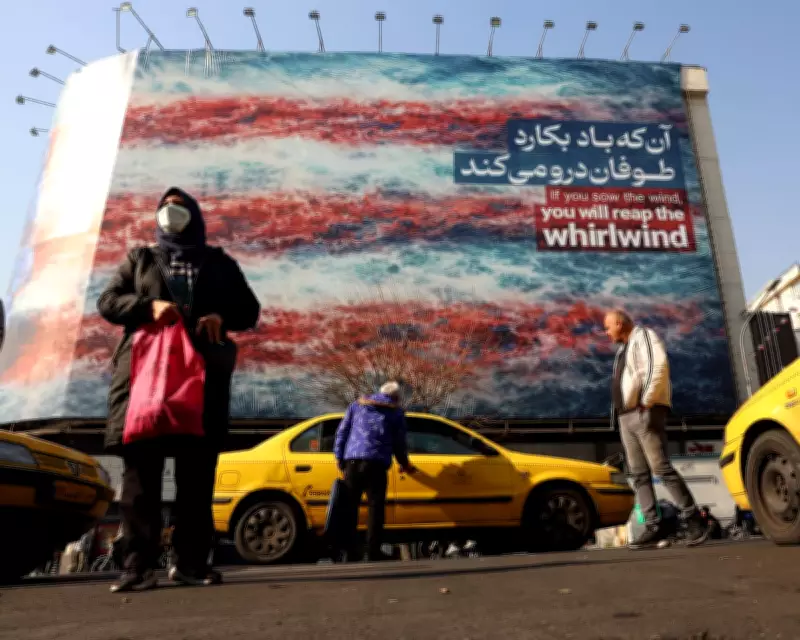
In a significant diplomatic development, Turkey has positioned itself as a crucial mediator between the United States and Iran, as tensions escalate over Tehran's nuclear programme and Washington's increasingly aggressive military threats. The move comes as both nations edge closer to potential conflict, with international observers warning of regional consequences.
Ankara Hosts Critical Talks Amid Mounting Pressure
Iran's Foreign Minister Abbas Araghchi is scheduled to travel to Ankara for urgent discussions aimed at preventing a US military attack. Turkish diplomats are reportedly working to convince Tehran that concessions regarding its nuclear activities are essential to avert what could become a devastating confrontation.
The diplomatic initiative follows Turkish President Recep Tayyip Erdoğan's proposal for a video conference between US President Donald Trump and Iranian President Masoud Pezeshkian. While neither side has confirmed participation in the virtual meeting, the suggestion represents a significant attempt to establish direct communication channels between the two adversaries.
Decade-Long Diplomatic Stalemate and Military Posturing
The current crisis unfolds against the backdrop of a decade without formal direct talks between Washington and Tehran. President Trump has maintained consistent threats of military action against Iran, recently warning that time is running out for diplomatic solutions.
US Defense Secretary Pete Hegseth reinforced this position during a cabinet meeting, stating that the Department of Defense stands ready to execute any military instructions from the president. "They have all the options to make a deal," Hegseth remarked regarding Iran. "They should not pursue nuclear capabilities. And we will be prepared to deliver whatever this president expects."
Regional Apprehension and International Response
The Kremlin has urged both nations to recognise that diplomatic opportunities remain, but Turkey appears to have assumed the primary mediation role. Across the Middle East, governments are watching with increasing apprehension as the prospect of conflict looms, with concerns that hostilities could easily spread across the region.
President Trump has warned that any US military action against Iran would be "violent and far more extensive" than previous interventions, specifically referencing operations in Venezuela. This rhetoric has heightened international concerns about the potential scale and consequences of any military engagement.
Broader Political Developments in Washington
Meanwhile in Washington, Senate Democrats have reached an agreement to avoid a partial government shutdown. The deal involves separating funding legislation for the Department of Homeland Security from other appropriations bills, providing temporary funding at current levels for the next two weeks.
Additional political developments include controversy over a framed photograph of President Trump with Russian President Vladimir Putin displayed in the White House, criticism of which has emerged from various political and media quarters. The administration has also announced the reopening of commercial airspace over Venezuela following recent political changes in the South American nation.
As diplomatic efforts continue in Ankara, the international community watches closely to see whether Turkey's mediation can successfully de-escalate tensions between Washington and Tehran, or whether the region moves closer to a potentially catastrophic military confrontation.