Trump Proposes 'Friendly Takeover' of Cuba Amid Escalating Tensions
In a striking declaration that has sent shockwaves through diplomatic circles, former US President Donald Trump has openly suggested the possibility of a "friendly takeover" of Cuba. This provocative statement comes at a time when relations between Washington and Havana have deteriorated to one of their lowest points in a contentious 67-year history, further inflamed by recent geopolitical maneuvers involving Venezuela.
Economic Strife and Diplomatic Pressure
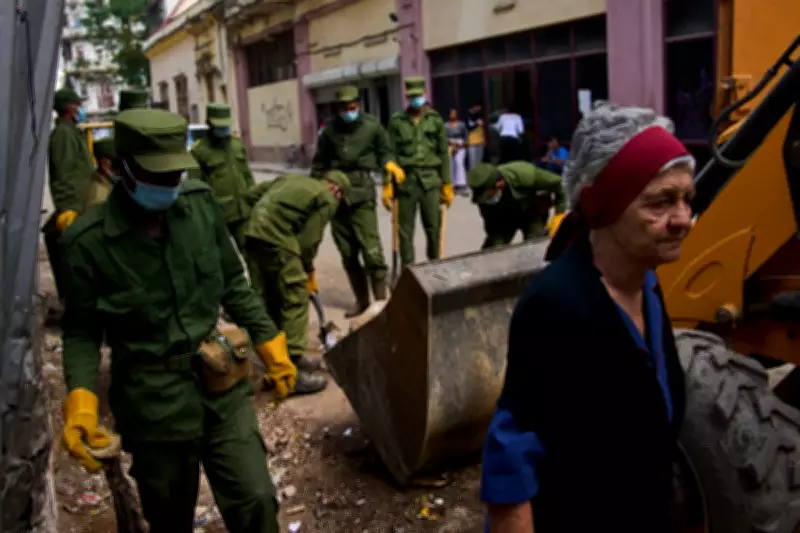
Speaking to reporters as he departed the White House for a campaign event in Texas, Trump highlighted Cuba's dire economic situation, stating, "The Cuban government is talking with us. They're in a big deal of trouble." He elaborated, "They have no money, they have no anything right now. But they're talking with us and maybe we'll have a friendly takeover of Cuba." These remarks underscore the severe financial challenges facing the island nation, exacerbated by a US-imposed oil blockade that has crippled its already fragile economy.
The timing of Trump's comments is particularly significant, following the successful abduction of Venezuelan President Nicolás Maduro in January. Maduro, a key ally of Cuba, was captured with US involvement, leading to increased pressure on Havana. In advance of the operation in Caracas, US officials secured cooperation from Delcy Rodríguez, Venezuela's acting president, who has pledged to open the country's substantial oil reserves to foreign companies. This move has further isolated Cuba, as Venezuela cut off oil exports to the island, compounding its economic woes.
Historical Echoes and Cuban Exile Community
Trump's language evokes deep historical anxieties among Cubans, recalling the era of US financial dominance that fueled Fidel Castro's 1959 revolution. He alluded to the large Cuban exile community in the US, suggesting a takeover could be "something good ... very positive" for them, adding, "You know, we have people living here that want to go back to Cuba, and they're very happy with what's going on." This appeal resonates with many exiles, particularly in Miami, who have long supported efforts to overthrow Cuba's Communist government.
However, Cuban President Miguel Díaz-Canel has previously emphasized that any discussions with the US must respect Cuba's sovereignty and internal affairs, stating they must come "from a position of equals, with respect for our sovereignty, our independence, and our self-determination." Trump's proposal marks a stark departure from such diplomatic norms, raising concerns about a potential repeat of historical interventions.
Recent Incidents and Expert Analysis
The situation has been further complicated by recent events, including an attempted landing by heavily armed exiles from Florida on Cuba's north coast, which resulted in a deadly gunfight at sea. This incident underscores the volatile nature of US-Cuba relations and the ongoing tensions within exile communities.
Manuel Barcía, a history professor at the University of Bath with family in Cuba, commented on the developments, saying, "I reckon Cuba's Berlin Wall moment is around the corner. It sounds like [US Secretary of State] Marco Rubio has orchestrated a very impressive take down." This perspective highlights the strategic calculations behind US actions, as Trump has long relied on electoral support from Cuban exiles who dream of regime change.
As Cuba grapples with a multifaceted crisis—characterized by fuel shortages, a collapse in tourism, and cash flow problems—Trump's suggestion of a "friendly takeover" adds a new layer of uncertainty to an already precarious situation. The international community watches closely, aware that any shift in US policy could have profound implications for the Caribbean region and beyond.