Ten years after the devastating Grand Bassam attack, Côte d'Ivoire remains on high alert against the persistent jihadist threat lurking along its northern borders with Mali and Burkina Faso. Rose Ebirim, who organizes the annual International Day of Reggae celebrations in Grand Bassam, now also picks up litter on the beach as a form of therapy. She recalls March 13, 2016, as a "Black Sunday" when three gunmen opened fire on three adjacent hotels, killing 19 people, including nine foreigners, before being shot dead by security forces.
Ongoing Threat in the North
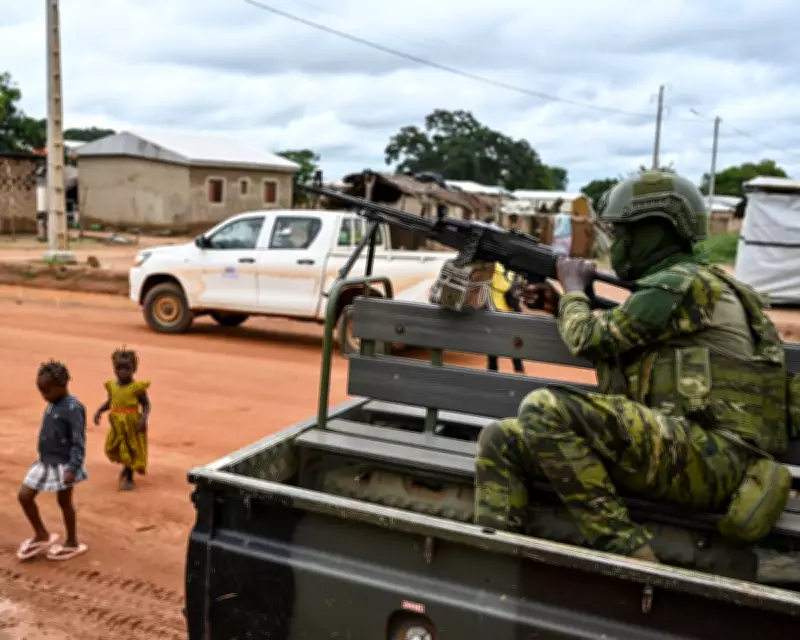
Al-Qaida in the Islamic Maghreb (AQIM) claimed responsibility for the attack, citing retaliation for Côte d'Ivoire's arrest of its members. In December 2022, an Abidjan court sentenced 11 men to death for their roles. Defense Minister Téné Birahima Ouattara stated at a March 2026 ceremony that forces have strengthened operational vigilance to prevent such tragedies. While Grand Bassam and the coastal area near Ghana remain peaceful, the northern borders with Mali and Burkina Faso face a growing jihadist threat. Both countries have expelled French and US troops after military takeovers, turning to Russia instead. Côte d'Ivoire now serves as a buffer state between the Gulf of Guinea and the Sahel, with thousands of refugees fleeing violence into its north.
Rising Insurgency and Sophisticated Tactics
Since the 2016 attack, terrorism incidents in coastal West Africa have nearly tripled. Al-Qaida-affiliated Jama'at Nusrat ul-Islam wa al-Muslimin (JNIM) has targeted military formations repeatedly. In June 2020, Katiba Macina killed 14 Ivorian soldiers in Kafolo near the Burkinabé border. Héni Nsaibia, senior analyst at Acled, notes that JNIM's use of armed drones has surged from fewer than 10 strikes in 2024 to around 80 in 2025, making the region "the world's most active zone of Islamist militancy."
Countermeasures and Development Efforts
In response, the number of police and gendarmerie in the north has more than doubled. An EU-backed counter-terrorism academy in Jacqueville trains elite units. The government has also built primary schools, deployed mobile health clinics, and funded vocational micro-loans for young cashew farmers in remote border villages to deter recruitment by militant groups. However, dense forests and porous borders remain concerns. The government did not comment on talks about a US drone base or counterinsurgency collaborations.
In Grand Bassam, the three hotels remain shuttered. Ebirim continues her beach cleanup and reggae festival, now in its sixth year. "I occupy myself with those activities," she said. "After 10 years, I'm starting to sort myself out."