Israeli TV Journalist's Australian Tour in Jeopardy Over Controversial Remarks
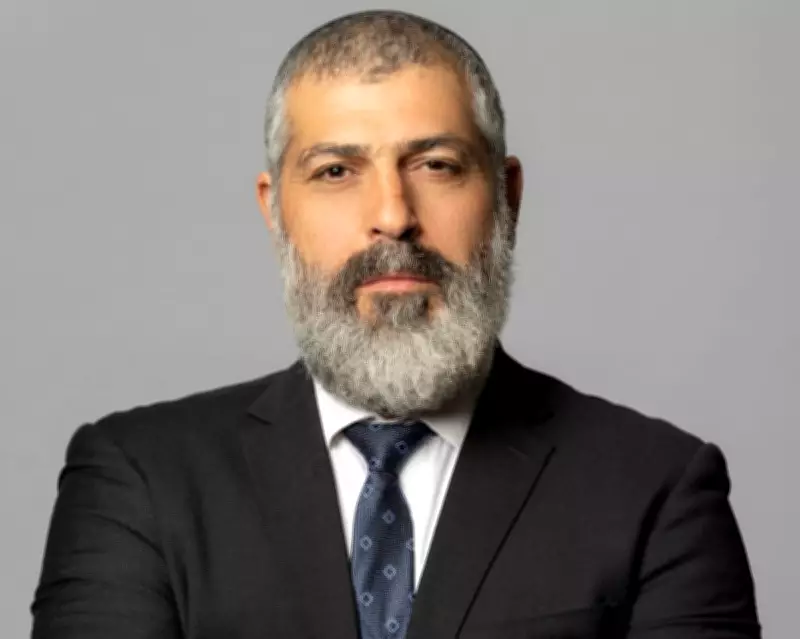
Israeli television journalist Zvi Yehezkeli faces potential exclusion from Australia as Home Affairs Minister Tony Burke weighs denying his visa application. The decision stems from Yehezkeli's inflammatory comments regarding Gaza, which have sparked significant controversy and raised questions about Australia's immigration policies toward controversial foreign figures.
Planned Speaking Events Face Uncertainty
Yehezkeli, an Arab affairs commentator for Israeli TV channel i24, had been scheduled to appear at two fundraising events in Sydney and Melbourne during March. These appearances were organized with support from the Australian Jewish Association and other groups, and would have featured the journalist alongside former Israeli president Reuven Rivlin. However, the entire speaking tour now hangs in the balance as Australian authorities reconsider his entry eligibility.
Minister Burke expressed surprise at the situation, noting "It always surprises me when somebody who has made the sorts of comments that this individual has, advertises a speaking tour before they've even received a visa." The minister's office confirmed he is actively considering whether to approve or deny the visa application based on the journalist's previous statements.
Controversial Comments Under Scrutiny
The controversy centers on remarks Yehezkeli made following Hamas' October 7 attack on Israel. During a television broadcast, the journalist suggested Israel should have responded by killing 100,000 Gazans, acknowledging that "I know that those 100,000 will not all be Hamas members" given the militant group's estimated 20,000 members in the besieged territory.
Further controversy emerged following the death of Reuters journalist Hussam al-Masri and 19 others in an Israeli strike in August last year. Yehezkeli accused journalists killed in Gaza of being "terrorist journalists" and stated "If Israel has decided to eliminate the journalists, better late than never."
The journalist later issued a video apology, clarifying that he "certainly did not call for killing journalists, only those [who] use 'press' credentials as cover to fight, which makes them terrorists in every respect." However, these qualifications have done little to mitigate the initial impact of his statements.
Pattern of Visa Controversies
This incident follows a pattern of tension between Australia and Israel regarding visa decisions. In August last year, Minister Burke denied a visa application from far-right Israeli politician Simcha Rothman, who had described Palestinian children in Gaza as "enemies" and advocated for Israel's total control of the West Bank.
The diplomatic fallout was significant, with Israel retaliating by revoking visas of Australian representatives to the Palestinian Authority. Israeli Prime Minister Benjamin Netanyahu criticized Australian Prime Minister Anthony Albanese as a "weak politician who betrayed Israel and abandoned Australia's Jews."
More recently, Jewish influencer Sammy Yahood was barred from entering Australia for a tour also supported by the Australian Jewish Association. Minister Burke has been consistent in his position, stating that "spreading hatred is not a good reason to come" to Australia.
Broader Implications for Free Speech and Immigration
The case raises important questions about the balance between free speech and responsible discourse, particularly when foreign figures seek to enter Australia. The Australian government appears to be establishing a precedent of denying entry to individuals whose public statements are deemed to promote hatred or violence.
As the March events approach, organizers and supporters await Minister Burke's final decision. The outcome will not only determine whether Yehezkeli's speaking tour proceeds but may also signal Australia's ongoing approach to managing controversial foreign visitors and maintaining diplomatic relationships in a complex geopolitical landscape.