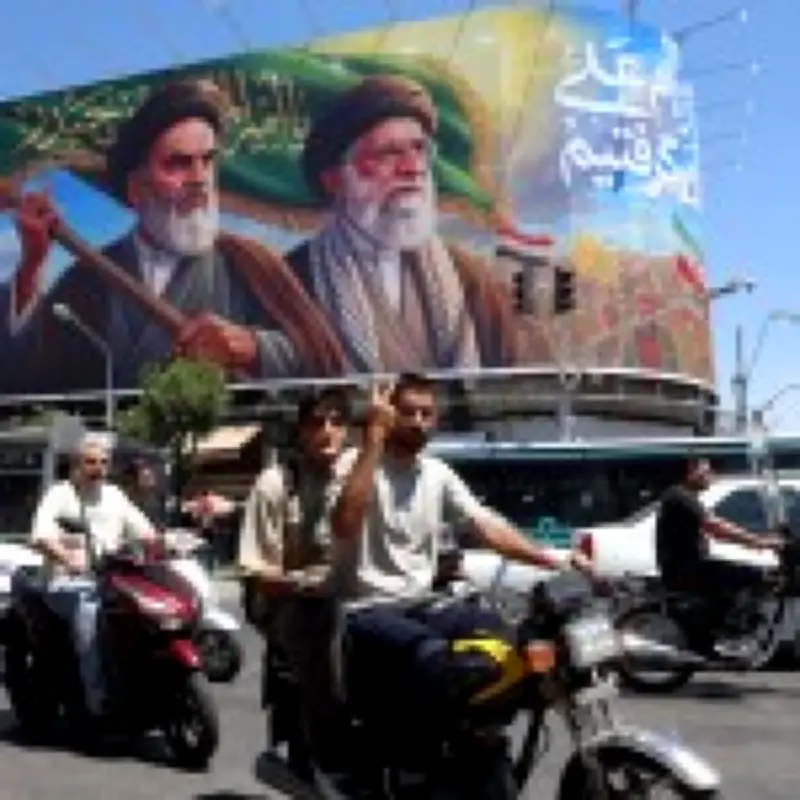
The United States and Iran have reportedly reached an agreement that could see the reopening of the Strait of Hormuz and an end to hostilities between the two nations. US officials announced that a peace deal with Iran is now complete, with the strategic waterway set to reopen without tolls. While former President Donald Trump has touted the end of months-long blockades, questions remain about Tehran's nuclear ambitions and broader Gulf security.
Experts Question Durability of Deal
Dr. Katayoun Shahandeh from the University of London described the agreement as ambitious, calling it at best a temporary pause with diplomatic aspirations. She emphasized the fragility of the deal, noting that critical issues such as Iran's nuclear program, sanctions relief, regional security, Israel's role, and credible guarantees have been postponed rather than resolved. Dr. Shahandeh pointed out that Trump has repeatedly claimed to be close to a deal with Iran, turning nearly there into a theatrical performance. She stressed that repetition does not equal progress, and announcements are not diplomacy.
The expert also highlighted the impact on ordinary Iranians, who bear the costs of sanctions, military escalation, state repression, currency collapse, isolation, and geopolitical bargaining, while decision-makers rarely face consequences. She noted the irony that Washington created the instability it now seeks to resolve.
Strategic Implications for the US
Dr. Andreas Krieg, Associate Professor at King's College London, viewed the agreement not as a strategic win for the United States but as a tactical off-ramp. He argued that Washington emerges weaker, less trusted, and less capable of imposing outcomes in the Middle East. Despite joining Israel in degrading parts of Iran's military infrastructure, the US failed to force Iran to capitulate, dismantle its nuclear know-how, abandon its missile program, or give up the Axis of Resistance. Dr. Krieg noted that Washington had to return to negotiations because the military track became too costly, the Strait of Hormuz too dangerous, and Gulf states pushed against a wider war.
The conflict demonstrated the limits of US power, a fact now evident to Iran, China, Russia, Gulf states, Europe, and Israel. While the US remains militarily powerful, influence—persuading allies, deterring adversaries, managing escalation, and producing sustainable outcomes—has been damaged.
Details of the Deal
The agreement largely restores the pre-war status quo, but with thousands dead and Iran gaining new leverage over Strait transits. The Strait of Hormuz is vital for oil, natural gas, and fertilizer shipments, and its closure severely impacted the global economy. Tehran emphasized that the deal should focus on ending the war, with nuclear program discussions postponed. Iran possesses 440.9 kilograms of uranium enriched up to 60% purity, a short step from weapons-grade levels of 90%, according to the International Atomic Energy Agency. Iran maintains its nuclear program is peaceful and has not committed to giving up enriched uranium, believed to be buried under three nuclear sites damaged by US strikes last year.
Unanswered questions persist about the Gulf region's future, especially after renewed Israeli strikes on Lebanon, with militarization and sanctions fueling instability. Dr. Shahandeh concluded that while the deal may be real, its longevity remains uncertain.