Australia Leads International Call for Lebanon Ceasefire Inclusion
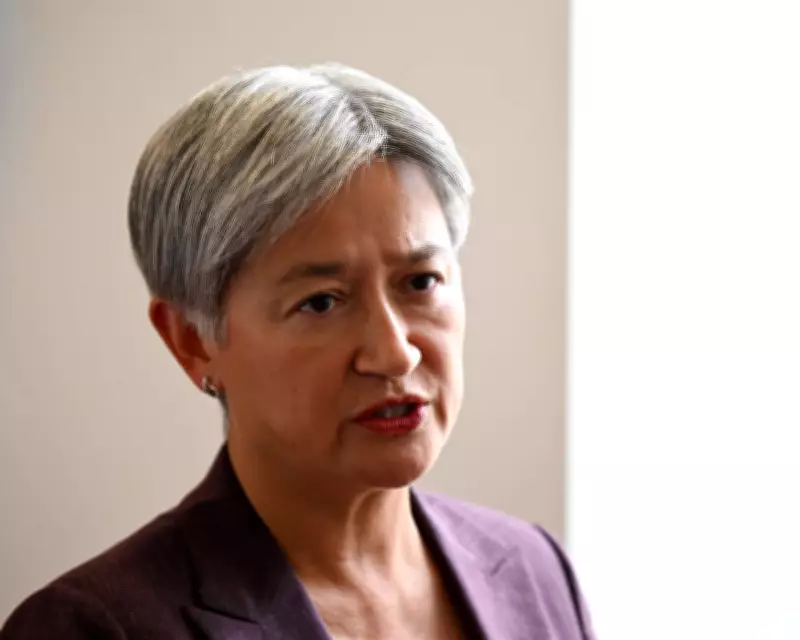
Australia's Foreign Minister Penny Wong issued a stark warning on Thursday that continued fighting in Lebanon threatens to unravel the entire regional ceasefire agreement across the Middle East. Wong emphasized that the conflict's escalation could jeopardize the fragile peace established through recent diplomatic efforts.
International Coalition Expresses Deep Humanitarian Concerns
Australia spearheaded a joint statement with Brazil, Colombia, Indonesia, Jordan, Sierra Leone, and the United Kingdom, expressing profound concern about what they described as "the worsening humanitarian situation and displacement crisis in Lebanon." The coalition specifically condemned attacks that endanger humanitarian personnel and called for strict adherence to international humanitarian law by all conflict parties.
The statement declared: "We condemn in the strongest terms actions that have killed UN peacekeepers and significantly increased the risks faced by humanitarian personnel in southern Lebanon." This coordinated diplomatic effort highlights growing international alarm about the conflict's expanding humanitarian toll.
Escalating Violence Prompts Urgent Diplomatic Response
The diplomatic initiative followed Israel's largest military operation in Lebanon since hostilities with Hezbollah began, resulting in at least 254 fatalities and 837 injuries according to preliminary reports. This significant escalation prompted Iranian officials to threaten withdrawal from the ceasefire agreement recently negotiated with the United States.
During an interview with ABC's RN Breakfast, Wong clarified Australia's position: "We've called for the ceasefire to apply to Lebanon and for both Hezbollah and Israel to observe the ceasefire." She stressed the interconnected nature of regional stability, warning that "if fighting continued in Lebanon, it risks the whole ceasefire across the region."
Diverging Interpretations of Ceasefire Terms
The Israeli Prime Minister's office maintained that the two-week ceasefire agreement explicitly excluded Lebanon, contradicting earlier statements from mediator Pakistan. This interpretation created diplomatic ambiguity about the agreement's geographical scope and legal parameters.
Wong acknowledged the ceasefire's fragility while explaining Australia's public advocacy approach: "I've said that publicly, and there's a very pragmatic reason for that ... We want the ceasefire to hold. We know it's fragile. We know what it means for the world, and we know what it means for Australians at the petrol bowser." This statement reflects concerns about both humanitarian consequences and broader economic impacts.
Domestic Political Divisions Emerge
Shadow Defence Minister James Paterson expressed the Coalition's concern about reported civilian casualties in Lebanon while aligning with the United States and Israel's position that Lebanon fell outside the ceasefire agreement. Paterson emphasized Australia's strategic alliances, stating: "The United States is our closest and most important military ally and they have publicly said that the ceasefire did not include Lebanon."
He contrasted this position with Iran's stance, noting: "Against their claims are the claims of the Islamic Republic of Iran, which not only sponsored terrorist attacks against Australia but has murdered tens of thousands of their own citizens in the last few months alone." This political divergence highlights the complex diplomatic calculations surrounding Middle East conflicts.
The Australian-led diplomatic initiative represents a significant effort to expand the ceasefire's geographical scope amid escalating violence and competing interpretations of international agreements. As humanitarian conditions deteriorate in Lebanon, international pressure continues mounting for comprehensive regional peace that includes all conflict zones.