UN Human Rights Chief Condemns Afghanistan's New Penal Code
The United Nations High Commissioner for Human Rights, Volker Turk, has publicly criticized Afghanistan's newly issued penal code, highlighting what he describes as deeply troubling disparities in punishment. According to the UN official, the Taliban-led government's legal framework imposes significantly harsher penalties for organizing animal fights than for acts of domestic violence against women, raising serious human rights concerns.
Disparate Punishments Revealed in Unofficial Translation
An unofficial English translation of the penal code, circulated by the Afghanistan Analysts Network (AAN), reveals shocking discrepancies in sentencing. The document states that a man who beats his wife severely enough to cause visible wounds faces only 15 days in prison, provided the woman can first prove her case before a judge. In stark contrast, anyone found organizing fights between animals or birds faces a five-month prison sentence.
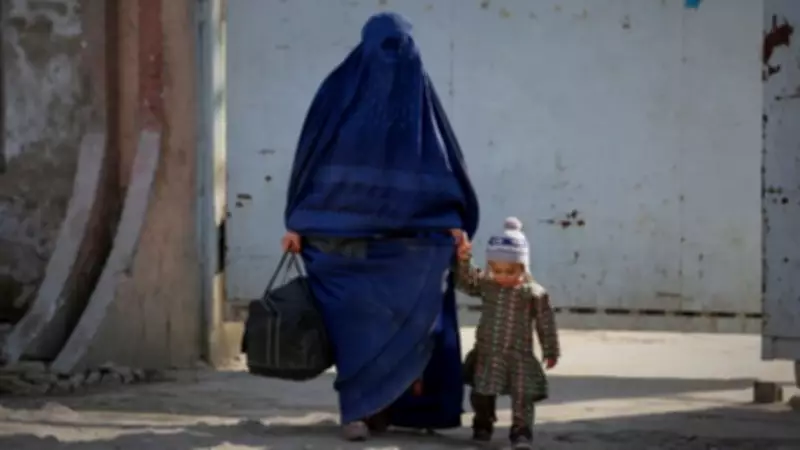
The code further criminalizes women's autonomy, imposing a three-month prison sentence on any woman who goes to her father's house without her husband's permission. These provisions have drawn sharp criticism from international observers who argue they institutionalize gender discrimination and normalize violence against women within Afghan society.
UN Official Urges Reversal of Discriminatory Decree
Speaking before the Human Rights Council in Geneva, Volker Turk urged Afghan authorities to rescind the decree, which was signed by Supreme Leader Hibatullah Akhundzada in January 2026. "It provides for the use of corporal punishment for numerous offences, including in the home, legitimising violence against women and children," Turk stated. "And it criminalises criticism of the de facto leadership and their policies, in violation of freedom of expression and assembly."
The UN commissioner emphasized that women and girls represent Afghanistan's present and future, arguing that the country cannot thrive without their full participation in society. His remarks come amid growing international concern about the Taliban's systematic erosion of women's rights since retaking control of Afghanistan in 2021 following Western military withdrawals.
Class-Based Discrimination Embedded in Legal Framework
The penal code introduces troubling class-based distinctions in punishment for the same crimes. According to the document:
- Scholars and "high-ranking people" receive only warnings from judges
- "Average people of society" face imprisonment
- "The lower classes" are subject to physical beatings as punishment
This hierarchical approach to justice has drawn additional criticism from human rights advocates who argue it institutionalizes social inequality within Afghanistan's legal system.
Leaked Document Reveals Broader Concerns
Kate Clarke, co-director and senior analyst at AAN, noted that the penal code has not yet been published in Afghanistan's official gazette but has been circulated to courts throughout the country. She suggested the document was likely leaked by someone within the Afghan government, "prompted perhaps by its casual mention of slaves, the permission it gives to husbands to beat their wives and teachers their pupils, and its class-based discrimination."
This represents the first comprehensive penal code issued by the Taliban since their return to power. In the intervening years, authorities have implemented numerous restrictions, most notably banning education for girls beyond primary school—a policy that has now persisted for over 1,600 days.
Regional Tensions Complicate Human Rights Landscape
The controversy over Afghanistan's penal code emerges amid escalating regional tensions. Pakistan recently conducted air and ground strikes against Taliban targets in neighboring Afghanistan, with Pakistan's defense minister declaring "open war" between the two nations. Security sources indicate these strikes targeted Taliban posts, headquarters, and ammunition depots across multiple provinces.
These developments occur against a backdrop of longstanding accusations from Islamabad that Afghanistan harbors militants responsible for attacks inside Pakistan. The Taliban maintains that Pakistan's security challenges are internal matters, further straining diplomatic relations between the neighboring countries.
The intersection of these security concerns with Afghanistan's domestic human rights situation presents complex challenges for international engagement with the Taliban-led government, as global organizations struggle to address both humanitarian crises and security threats in the region.