US Submarine Torpedoes Iranian Warship in Sri Lankan Waters
In a dramatic escalation of hostilities, a United States submarine has sunk an Iranian warship off the southern coast of Sri Lanka, according to confirmation from US Defense Secretary Pete Hegseth. This marks the first US attack on Iranian military forces outside the Middle East since the ongoing conflict began, signaling a significant expansion of the war theater.
The targeted vessel was the Iranian frigate Iris Dena, which was struck by torpedo fire late Tuesday night while operating approximately 44 nautical miles (81 kilometers) off the coastal city of Galle, Sri Lanka. Hegseth described the attack as "a quiet death" delivered by submarine torpedo, noting it represents the first sinking of an enemy ship by torpedo since World War II.
Rescue Operations and Casualty Toll
Sri Lankan authorities reported receiving a distress call from the Iris Dena at 5:08 AM local time on Wednesday, with crew members describing an explosion. The Sri Lankan navy dispatched rescue vessels by 6 AM, with a second naval ship following at 7 AM. According to Sri Lankan Foreign Affairs Minister Vijitha Herath, the country had an obligation to respond under international maritime search and rescue conventions.
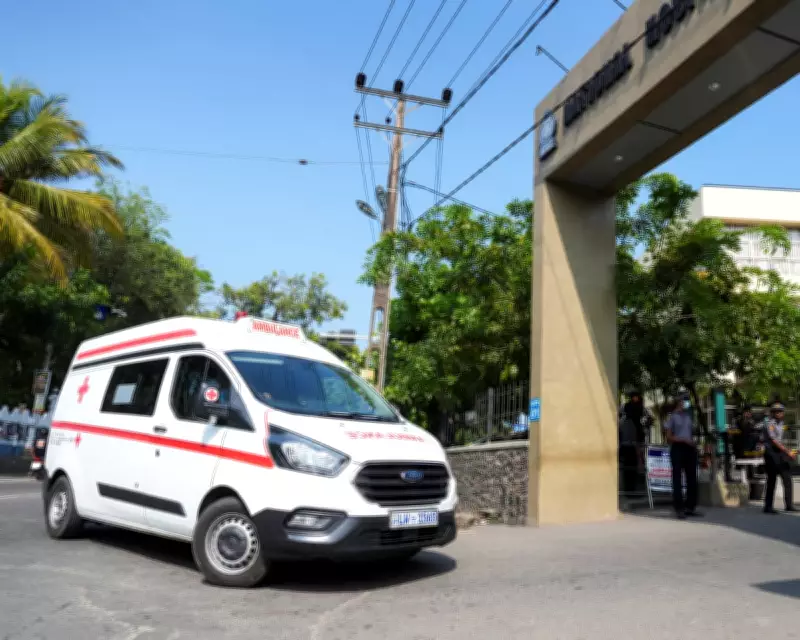
Official reports confirm at least 80 fatalities from the strike, with 32 crew members rescued and transported to a hospital in Galle for medical treatment. Rescue operations continue as Sri Lankan navy spokesperson Buddhika Sampath emphasized that the "main focus of the operation was to help survivors."
Geopolitical Context and Escalation
The submarine strike occurs amid intensifying conflict between the US, Israel, and Iran following joint strikes over the weekend. The Iris Dena, the newest frigate in Iran's naval fleet, was equipped with surface-to-air missiles, anti-ship missiles, cannon systems, machine guns, and torpedo launchers. The vessel was likely returning from the international fleet review hosted by the Indian navy last week when it was attacked.
According to well-connected Sri Lankan defense analyst Rohan Gunaratna, the ship was specifically targeted by the US in a submarine torpedo attack. A senior Sri Lankan official revealed that the Iranian embassy in Colombo had indicated through back channels their belief that the ship was struck by a US attack, with claims that the vessel's defense systems were disabled by electromagnetic means prior to the torpedo impact.
Regional Reactions and Broader Conflict
The attack represents a significant escalation in US military actions against Iran, which have already resulted in the death of Iran's Supreme Leader Ayatollah Ali Khamenei and numerous high-ranking officials, along with targeting of Iran's ballistic missile and air defense systems. In response, Iran has launched missile strikes across the Middle East and halted all shipments through the critical Strait of Hormuz oil corridor.
On Wednesday, Sri Lankan President Anura Kumara Dissanayake expressed solidarity with the United Arab Emirates after it was targeted in retaliatory strikes by Iran, stating that Sri Lanka "stands firmly with the UAE and is ready to assist in any way it can." Meanwhile, Israel continued its offensive with fresh strikes on Tehran and Beirut as the conflict entered its fifth day.
The US naval base at Diego Garcia in the Chagos Archipelago, located over 1,000 miles from Sri Lanka, serves as the primary US military installation in the Indian Ocean region. This attack demonstrates the expanding geographical scope of the US-Iran conflict beyond traditional Middle Eastern boundaries.