US-Israel War on Iran: A Comprehensive Update on the Ongoing Conflict
As the US-Israel war on Iran intensifies, the situation remains fluid with significant developments across military, diplomatic, and economic fronts. Here is a detailed summary of the latest events as of early morning hours in key regions: 10:30 AM in Tehran, 9:00 AM in Tel Aviv and Beirut, and 3:00 AM in Washington DC.
Political and Diplomatic Maneuvers
Former US President Donald Trump has asserted that Iran remains interested in a potential deal, despite Tehran's rejection of a US ceasefire proposal and its submission of a counter-plan. Trump later speculated that Iranian negotiators might fear retaliation from their own government, which could explain their public stance. The White House responded by indicating that Trump is prepared to take severe measures if Iran does not concede.
In a separate development, China's Foreign Minister Wang Yi expressed cautious optimism, noting a "glimmer of hope" for peace. He emphasized the importance of dialogue during calls with Turkish and Egyptian officials, suggesting both Tehran and Washington have shown willingness to return to negotiations.
Military Actions and Regional Tensions
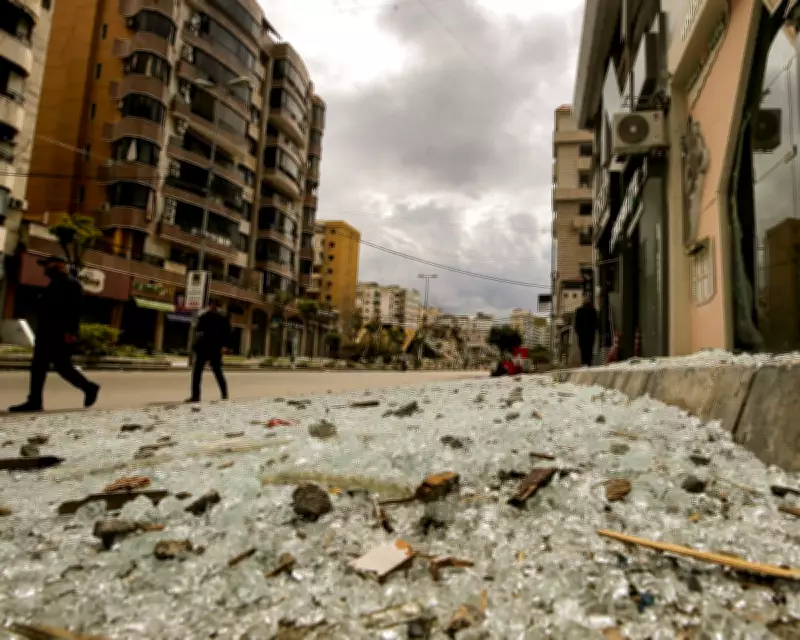
The Israeli military confirmed conducting extensive strikes across Iran on Thursday, with a focus on infrastructure in the central city of Isfahan. These operations were described as part of a wide-scale wave of attacks targeting regime assets.
Israeli Prime Minister Benjamin Netanyahu announced plans to expand Israel's occupation in southern Lebanon, proposing a larger buffer zone to counter Hezbollah threats. This aligns with comments from Israel's far-right Finance Minister Bezalel Smotrich, who advocated for applying sovereignty in the area, raising concerns among critics domestically and internationally.
Hezbollah, backed by Iran, launched new attacks on Israel, with its chief Naim Qassem stating that negotiations under fire would equate to surrender. In Lebanon, an Israeli soldier was seriously injured by mortar fire, and smoke was reported from an airstrike in the village of Dayr Seryan.
In other incidents, two individuals were lightly injured in Kfar Qasim, Israel, due to an Iranian cluster bomb, according to local medics. The Israeli military activated air defenses and sirens in response to missile attacks across central Israel, Jerusalem, and the West Bank.
International and Economic Impacts
The uncertainty surrounding the conflict has driven oil prices above $100 per barrel, with Brent crude hovering around $104. Asian stock markets experienced declines, reflecting global economic concerns.
Kuwait reported arresting six individuals over an alleged Hezbollah plot to assassinate leaders in the Gulf state. Additionally, an Iranian envoy stated that South Korean ships must coordinate with Tehran to pass through the Strait of Hormuz.
Western intelligence reports indicate that Russia is nearing completion of phased shipments to Iran, including drones, medicine, and food, as part of efforts to support its ally amidst the conflict.
This ongoing war continues to shape regional dynamics, with military escalations, diplomatic efforts, and economic repercussions unfolding rapidly. Stay tuned for further updates as the situation develops.