
US-Israel War on Iran: Divergent Goals Threaten Endgame and Regional Stability
The unprecedented joint military campaign by the United States and Israel against Iran has now entered its third week, marking a historic first in their alliance. Unlike previous conflicts where American involvement was limited, this war features deep operational coordination between the two nations on a daily basis. However, the lack of clear, shared objectives between Washington and Tel Aviv is raising serious concerns about the war's outcome and the potential for a political victory.
Confused Messaging and Unclear Timelines from Washington
From the outset, the messaging around the war by the US administration has been inconsistent and confusing. In his state of the union address just days before the war began, President Trump emphasized low gas prices and hinted at a preference for negotiated solutions with Iran. Once hostilities commenced, spiking fuel prices further muddled the administration's rationale for entering the conflict.
Officials and allies have offered a wide range of justifications, including claims that Iran could deliver nuclear bombs, that Israel pressured the US into action, and desires for regime change. This lack of a unified narrative has led to equally vague timelines for the war's duration. Trump has suggested it could last four to five weeks or longer, while other officials have floated estimates from three to eight weeks, with some Pentagon preparations indicating a potential extension through September.
Divergent Objectives Between Trump and Netanyahu
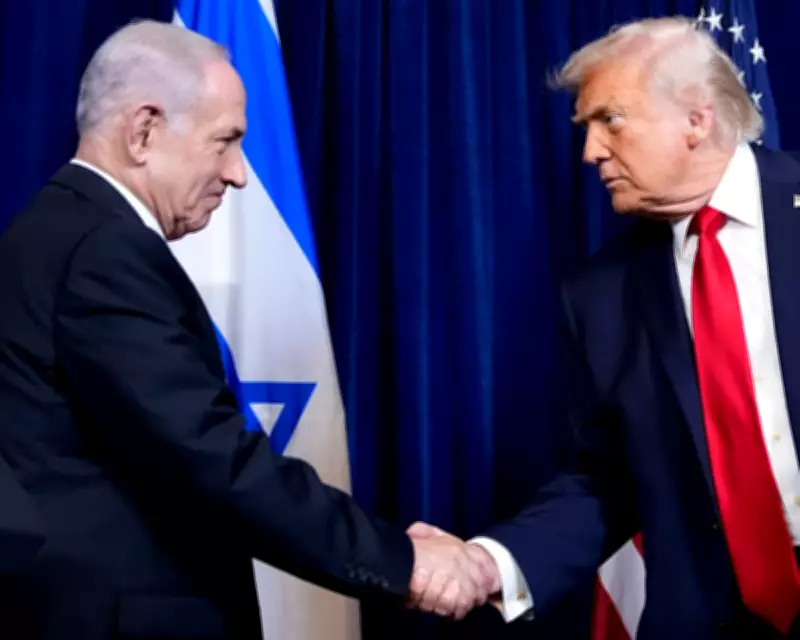
The primary challenge in defining an endgame stems from the differing goals of the US and Israel as co-belligerents. Trump has indicated that ending the war will be a "mutual decision" with Israeli Prime Minister Benjamin Netanyahu, effectively granting Israel veto power over US military actions. This arrangement becomes problematic if American public opinion, which largely opposed the war, shifts against continued involvement while Israel pushes forward.
Trump appears to favor a quick, low-cost victory similar to past operations in Venezuela, aiming for a performative success he can tout without the burdens of prolonged conflict. In contrast, Netanyahu's decades-long ambition has been to topple the Iranian regime and install a client government, leveraging US support to achieve regional dominance. Early hopes that Iranian protests would facilitate rapid regime change have not materialized, leaving Netanyahu with a more embittered enemy and an Israeli public facing the prospect of endless war.
Operational Conflicts and Regional Repercussions
Differences in war aims have manifested in operational disagreements, such as Israeli strikes on oil facilities in Tehran. These actions caused environmental damage, heightened Iranian resolve to target allied infrastructure, and disrupted global oil markets, drawing criticism from Washington. Reports indicate US officials have expressed dissatisfaction to Israeli counterparts, with even staunch war supporters like Senator Lindsey Graham advising against such targets.
The Gulf states, key American allies, find themselves caught in the crossfire, their security interests overlooked by the Israeli-American campaign. Netanyahu had hoped these nations would join the attack on Iran, but so far, they remain hesitant, wary of both a vengeful Iranian regime and an expansionist Israel seeking regional hegemony at their expense.
The Path to an Uncertain Conclusion
Without a coherent strategy and shared objectives, the war risks becoming a costly failure with no clear endpoint. Iran itself will play a crucial role in determining the outcome, demonstrating resilience and a capacity to influence the conflict's trajectory. As economic and political costs mount, the diverging desires of Trump and Netanyahu complicate any vision for a sustainable resolution, leaving the region in a precarious state of flux.




