Strait of Hormuz Hosts US-Iran Gunboat Diplomacy in Global Power Struggle
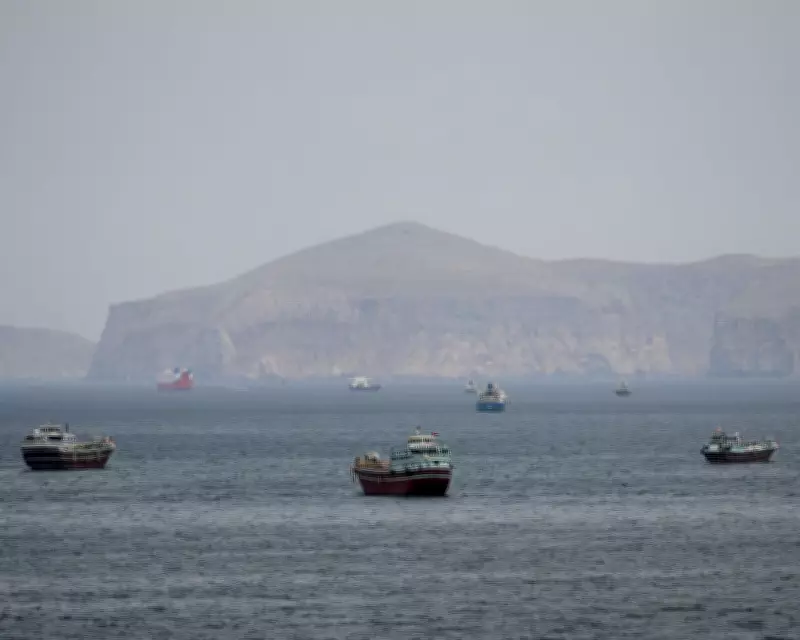
The Strait of Hormuz, the world's most critical geopolitical waterway, is now the stage for an intense trial of strength between the United States and Iran. Both nations are engaged in a form of gunboat diplomacy, each vying to prove they can enforce a more effective blockade of this vital maritime corridor. This conflict has shifted from land-based kinetic activities to the sea, with neither side willing to back down, believing time is on their side.
Iran's Chokehold on the Global Economy
Iran is aggressively asserting its influence by firing at and seizing commercial ships attempting to navigate the Strait of Hormuz. This strategy aims to maintain a chokehold on the global economy, leveraging the strait's role as a key oil transit route. Gholamhossein Mohseni-Eje'i, head of the Iranian judiciary, emphasized this stance, stating, "The enemy is not in a position to set a timeline for us." Iran's actions are designed to send a clear message about its capacity to disrupt international trade and energy flows.
US Strategy: Economic Pressure and Naval Blockade
In response, the United States is implementing a multifaceted approach to cripple Iran's economy. Through sanctions and a naval blockade of Iranian ports, the US aims to force Tehran into a corner. US Treasury Secretary Scott Bessent highlighted the urgency, noting that Iran's oil storage on Kharg Island could reach capacity within days, leading to production shutdowns. This move targets Iran's primary revenue lifelines, with analysts warning that forced shutdowns could permanently reduce oil output by 300,000 to 500,000 barrels daily, risking long-term damage to oil reservoirs.
Global Economic Impacts and Broader Consequences
The ripple effects of this standoff are felt worldwide. Oil prices have surged above $100 per barrel, influencing everything from airline operations to consumer goods. For instance, Lufthansa has canceled 20,000 flights due to soaring jet fuel costs, while European treasuries grapple with mitigating energy inflation. The conflict also extends to digital realms, with Iranian media hinting at potential disruptions to internet cables in the Gulf, which could devastate the region's digital economies.
Internal Pressures and Diplomatic Maneuvers
Despite external pressures, Iran faces internal challenges. The continued internet blackout, imposed as a security measure, is pushing thousands of young entrepreneurs into unemployment. Reformist voices within Iran, such as writer Ahmad Zeidabadi, call for a ceasefire extension to foster open discussions on national strategies, rather than leaving decisions solely to the security elite. Meanwhile, the US maintains a strategy of ceasefire on one front while intensifying pressure elsewhere, including ship seizures by US Central Command.
As both sides navigate this high-stakes conflict, the Strait of Hormuz remains a flashpoint in a broader global war, where economic resilience and military posturing intertwine. The outcome could reshape Middle Eastern dynamics and influence international relations for years to come.