
US Endorses Pakistan's Self-Defense Amidst Escalating Conflict with Taliban
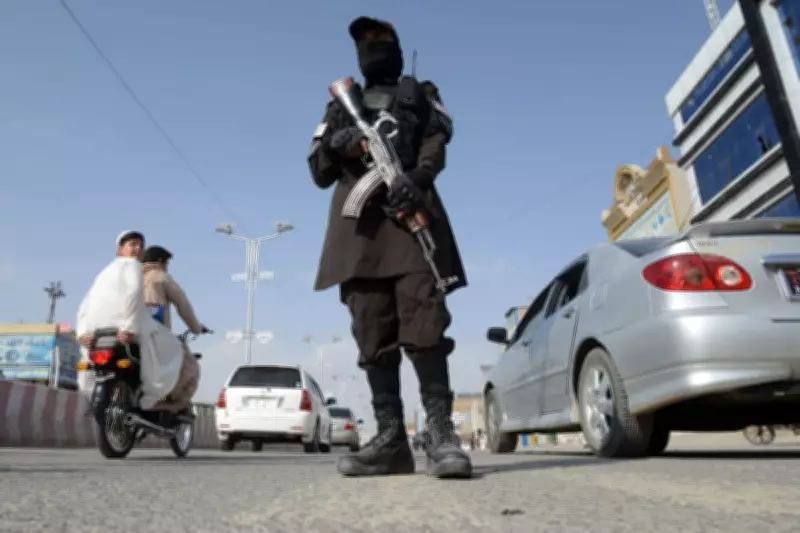
The United States has publicly backed Pakistan's right to defend itself after a series of airstrikes targeted major cities across Afghanistan, marking a significant escalation in hostilities between the two neighboring nations. This development follows overnight cross-border firing that intensified tensions, with Taliban security personnel seen guarding roads in Kandahar on February 27, 2026.
Taliban's Call for Dialogue Amidst Violence
In response to the attacks, the Taliban government in Kabul has emphasized its readiness to resolve the dispute through peaceful negotiations. Taliban spokesman Zabihullah Mujahid stated, "The Islamic emirate of Afghanistan has always tried to resolve issues through dialogue, and now also we want to resolve this matter through dialogue." The Pakistani strikes, which occurred on Thursday night and Friday, impacted areas including Kabul, Kandahar, Paktia, Paktika, Khost, and Laghman.
Pakistan Declares 'Open War' and Accusations
Pakistani Defence Minister Khawaja Mohammad Asif declared that his country is in a state of open war with Afghanistan, citing depleted patience in Islamabad. Pakistan accuses the Taliban government of harboring militant groups that launch attacks across the border—a claim consistently denied by Kabul—and of aligning with India, Pakistan's historical rival. The recent violence was triggered after Afghan forces attacked Pakistani border troops, which Afghanistan described as retaliation for deadly Pakistani airstrikes on Afghan border areas the previous weekend.
International Reactions and Calls for De-escalation
The international community has urged both sides to immediately de-escalate and return to negotiations. Allison Hooker, US Under Secretary of State for Political Affairs, expressed condolences for lives lost and reiterated support for Pakistan's defense rights in a conversation with Pakistani Foreign Secretary Amna Baloch. The European Union, represented by High Representative Kaja Kallas, called for a halt to hostilities and warned of serious regional implications, stressing that Afghan territory must not be used to threaten other countries. Similarly, UK Foreign Secretary Yvette Cooper voiced deep concern and encouraged mediated dialogue to prevent further civilian harm.
Background and Regional Dynamics
Pakistan remains a key ally of Washington, which views the Afghan Taliban—who regained power in 2021 after the US-led withdrawal—as a terrorist group. Previous efforts at peace, including a Qatari-mediated ceasefire in 2025 and talks in Istanbul, have failed to yield a formal agreement. The ongoing conflict underscores the fragile security landscape in South and Central Asia, with potential repercussions for global stability.




