
Unite Union Leader Issues Ultimatum to Chancellor Over Defence Investment
The head of Britain's largest trade union has delivered a stark ultimatum to Chancellor Rachel Reeves, demanding she either support a crucial multibillion-pound defence investment plan or face being sacked from her position. Sharon Graham, the formidable general secretary of Unite, has warned that political indecision is putting tens of thousands of British jobs at immediate risk across the defence sector.
Defence Jobs Hang in the Balance
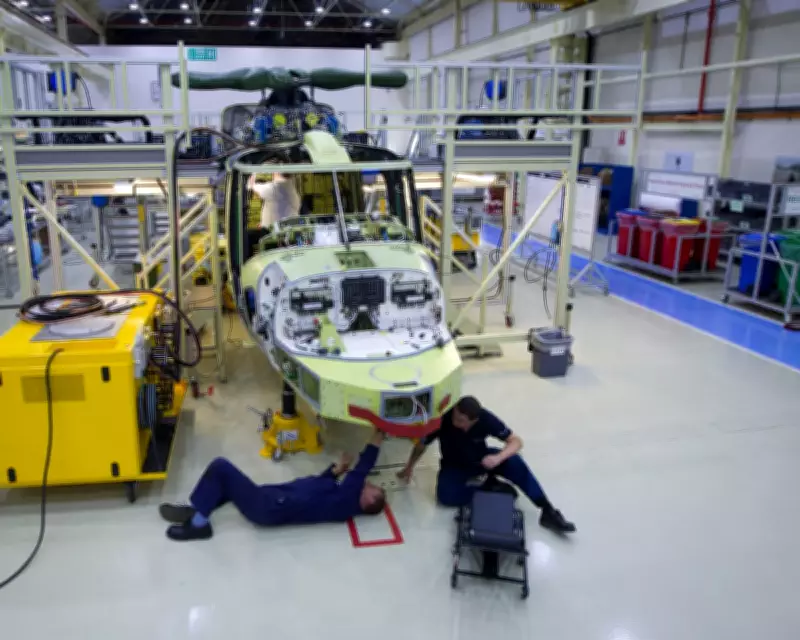
Graham's warning comes amid growing concerns about the future of the Leonardo helicopter factory in Yeovil, Somerset, which stands as the sole bidder for a stalled £1 billion manufacturing contract. This critical facility employs 3,300 workers with average annual salaries of £58,000, but its Italian parent company has issued a dire warning: without the contract being awarded before March 1st, the factory will face closure.
The potential closure would have devastating ripple effects throughout the local economy. Adam Dance, Yeovil's Liberal Democrat MP, revealed that a local hotel has already indicated it would likely need to shut down if the factory closes. The uncertainty is already affecting the housing market, with staff hesitant to commit to new property purchases amid the looming threat to their livelihoods.
Broader Implications for British Industry
Graham's demands extend beyond the immediate crisis at Leonardo. She has called on ministers to demonstrate their commitment to British industry by signing off on future defence contracts without further delay. "If Rachel Reeves can't grasp that concept and doesn't care where things are made, then she should go," Graham stated emphatically during a protest outside Downing Street organized by Unite.
The union leader also directed her criticism toward Prime Minister Keir Starmer, urging him to fulfill his previous commitments. Starmer had promised in February last year to increase annual military spending to 2.5% of GDP by 2027, with subsequent pledges to raise it further to 3.5% by 2035—representing an additional £30 billion in real terms. However, few new contracts have materialized since these announcements.
Delayed Defence Industrial Plan
The defence industrial plan, originally expected for publication in autumn and then just before Christmas, has now been postponed until March or April. This crucial document is intended to outline funding for £67 billion worth of commitments from last summer's strategic defence review.
The Treasury has expressed significant concerns about the affordability of the overall package, while the Ministry of Defence has indicated it requires an extra £28 billion over the next four years to meet its forecast costs. This financial standoff has created what Graham describes as "political dithering" that threatens the stability of Britain's defence manufacturing sector.
"Labour is supposed to be in for workers in the working class. I'm seeing very little evidence of that," Graham declared, arguing that this represents a broader problem across government policy, not just in defence job creation but in industrial strategy as a whole.




