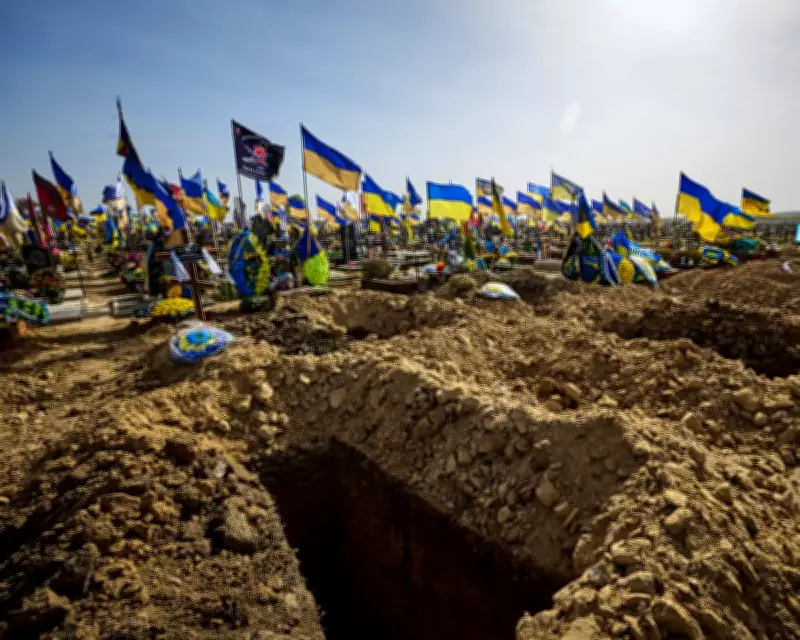
The Protracted Conflict in Ukraine: A Deep Dive into Its Fourth Year
As the war in Ukraine marks the beginning of its fourth year, the situation remains highly complex and fluid, with no immediate resolution on the horizon. This prolonged conflict has evolved into a multifaceted struggle involving military, economic, and diplomatic dimensions, reshaping global security landscapes.
Military Stalemate and Strategic Shifts
On the ground, the war has settled into a pattern of attrition, with both Ukrainian and opposing forces engaged in fierce battles along extensive frontlines. Recent months have seen significant shifts in military tactics, including increased use of drone warfare and cyber operations, which have added new layers to the conflict. Analysts note that the initial rapid movements have given way to a more static, trench-based warfare reminiscent of historical conflicts, complicating efforts for decisive breakthroughs.
Casualty figures continue to rise, with estimates suggesting hundreds of thousands of military and civilian losses, though exact numbers are often disputed. The humanitarian impact is severe, with millions displaced internally and abroad, straining resources in neighboring countries and beyond.
Geopolitical Ramifications and International Involvement
Internationally, the war has deepened divisions, with Western nations providing substantial military and economic aid to Ukraine, while other global powers maintain more ambiguous or supportive stances toward the opposing side. This has led to:
- Increased sanctions and trade restrictions, affecting global energy and food markets.
- A resurgence of NATO's relevance, with expanded membership and heightened defense spending among member states.
- Growing concerns about nuclear escalation, as rhetoric from involved parties occasionally hints at broader confrontations.
Diplomatic efforts, including peace talks and mediation attempts, have so far yielded little progress, often stymied by fundamental disagreements over territorial integrity and security guarantees.
Economic and Social Consequences
The economic toll on Ukraine is staggering, with infrastructure damage estimated in the hundreds of billions of dollars. Reconstruction efforts are underway in some areas, but they face challenges due to ongoing hostilities and funding shortages. Domestically, Ukraine has implemented martial law and mobilization measures, impacting daily life and societal cohesion.
Globally, the conflict has contributed to inflation and supply chain disruptions, particularly in Europe, where energy prices have fluctuated dramatically. This has spurred debates over energy independence and the transition to renewable sources.
Future Outlook and Uncertainties
Looking ahead, experts predict that the war could persist for years, with potential scenarios ranging from a frozen conflict to a negotiated settlement, though neither seems imminent. Key factors influencing the future include:
- The sustainability of international support for Ukraine, which may face political pressures as elections approach in donor countries.
- Technological advancements in warfare, such as AI and autonomous systems, which could alter battlefield dynamics.
- Internal political developments within the involved nations, which might shift strategic priorities.
In summary, the war in Ukraine has become a defining event of the early 21st century, with its long and winding road reflecting the intricate interplay of local and global forces. As it enters its fourth year, the path forward remains uncertain, underscoring the need for continued analysis and engagement from the international community.