Ukraine Sends Drone Specialists to Defend US Installations in Jordan
In a strategic move to bolster international alliances, Ukraine has deployed interceptor drones and expert operators to protect US bases in Jordan. President Volodymyr Zelenskyy announced this initiative, stating it came in response to urgent requests from 11 countries, including European states and the United States, as the conflict between the US-Israel coalition and Iran entered its tenth day.
Responding to Global Calls for Assistance
Zelenskyy detailed in an interview that the decision to aid Jordan was made last week, following a direct appeal from the US. The Ukrainian team departed promptly, aiming to safeguard the Muwaffaq Salti airbase, where satellite imagery suggests Iranian attacks may have damaged radar systems linked to US Thaad air defence units. This deployment underscores Ukraine's effort to enhance relations with Gulf and Middle Eastern nations facing Iranian aggression.
Orysia Lutsevych, a researcher at Chatham House, explained that Ukraine is leveraging its wartime expertise to position itself as a valuable asset to allies. "By sharing interceptor technology and specialists, Ukraine seeks to foster goodwill and secure support in return," she noted, highlighting the geopolitical rivalry with Russia, which is reportedly aiding Iran with targeting intelligence.
Innovative Drone Defence Strategies
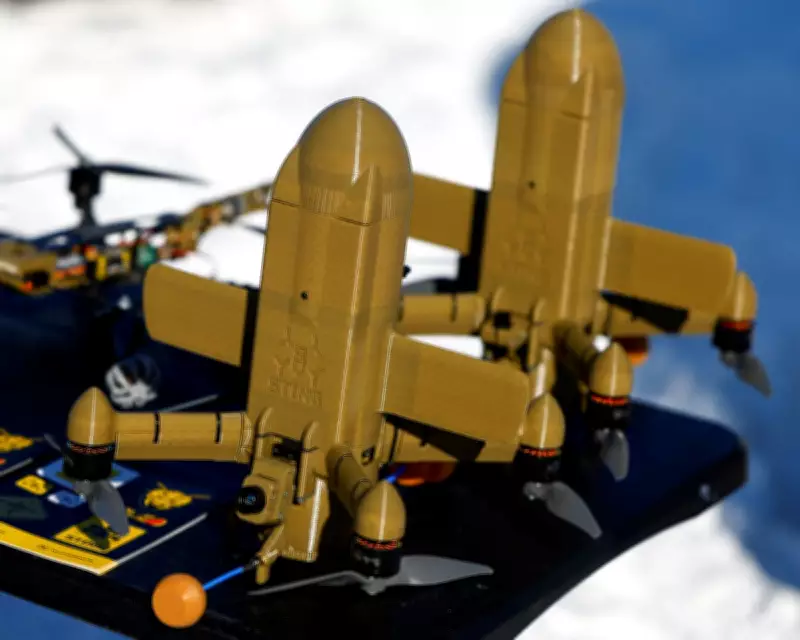
Ukraine's approach to air defence has evolved significantly due to relentless attacks from Iranian-designed Shahed-136 drones, transferred to Russia. Initially relying on ground-based machine guns and limited fighter planes, Kyiv has developed cost-effective interceptor drones, such as the Sting missile by Wild Hornets, priced at $2,000 per unit. These high-speed, ground-piloted drones have achieved interception rates exceeding 85%, with recent reports indicating 453 out of 480 incoming drones were neutralized in a single day.
In contrast, Gulf and Middle Eastern countries have predominantly used expensive US-made Patriot and Thaad systems. A Shahed-136 costs approximately $50,000, while Patriot interceptors run about $4 million each. Zelenskyy pointed out that over 800 Patriots were deployed in just three days last week, surpassing the 600 units Ukraine has received throughout its four-year war with Russia, raising concerns about potential shortages in the region.
Production and Impact on Regional Security
The manufacturing rates for these defence systems vary: Raytheon produces 300 Pac-2 Patriot interceptors annually, while Lockheed Martin makes 600 Pac-3 missiles per year. Thaad missiles, costing $12.8 million each and designed for ballistic threats, are currently produced at 96 units yearly, with plans to increase to 400. However, Iran's reduced rate of fire—from 137 missiles and 209 drones on February 28 to just 15 missiles and 18 drones recently—suggests a slower depletion of interceptor stocks.
Israel's military reports an 80% decline in Iranian missile launches, aligning with claims of neutralizing 75% of Iran's missile launchers. Zelenskyy has engaged with leaders from Saudi Arabia, the UAE, Kuwait, Bahrain, Qatar, and Jordan to coordinate security efforts, emphasizing the importance of collaboration between Europe and the Middle East. This deployment not only showcases Ukraine's technological prowess but also its commitment to global stability amid ongoing conflicts.