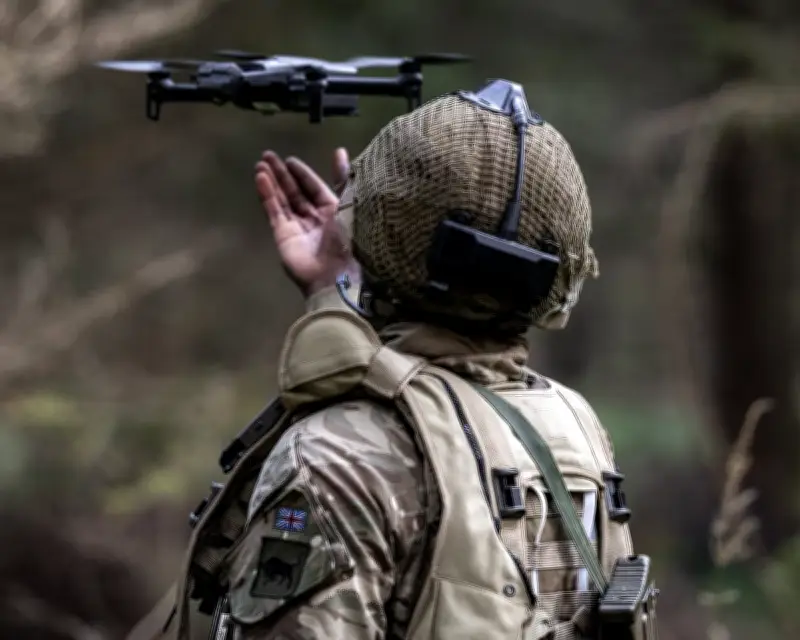
The new defence secretary, Dan Jarvis, has secured an extra £1.5bn for the UK's long-delayed defence investment plan, with the bulk of that to be spent on drones to deter Russia and Iran. The move follows the resignation of John Healey over an £18bn funding gap that raised questions about Britain's commitments to Nato.
Funding gap reduced by £15bn
Two sources said the deficit had been reduced by £15bn after Jarvis successfully persuaded the chancellor, Rachel Reeves, to give the Ministry of Defence a little more than the £13.5bn promised to his predecessor. Healey quit in protest at the original package.
The extra cash has allowed Jarvis to increase an already promised £4bn spend on drones to £5bn over the next four years, as part of a deal that Keir Starmer was desperate to conclude before leaving office. Some of the extra money was found by asking other government departments to take a cut of at least 1% from their capital budgets, in one of the most acrimonious Whitehall rows in recent memory.
Jarvis bypasses Starmer in negotiations
Allies of Jarvis said he wanted to “look people in the eye” when the plan was published, while those close to Reeves said she had found him easier to deal with than Healey, who had become frustrated in his final weeks as defence secretary. One person close to the chancellor added that unlike Healey, Jarvis negotiated directly with Reeves rather than going through the prime minister, which made it easier to come to an agreement. A week ago, Jarvis had secured an extra £1bn and was seeking more in a final round of negotiating.
Plan includes drones, frigates, and speedboats
The 80-page document, covering dozens of defence projects from frigates to nuclear submarines, will be presented to MPs on Tuesday. Royal Marine commandos will be supplied with additional uncrewed speedboats, made by Kraken Technology from Fareham in Hampshire, in one of the extra commitments secured by Jarvis from the Treasury. They will be deployed as part of a peacekeeping mission in the Strait of Hormuz to help detect hostile incoming drones, military sources said, should a durable peace agreement be reached between the US and Iran.
The Royal Navy will also build six “hybrid” air defence frigates, common combat vessels capable of coordinating with air, sea, and underwater drones. They are intended to replace the navy's existing Type 45 destroyers in the mid-2030s and become the primary source of UK maritime air defence.
Starmer and Burnham support the plan
Starmer will unveil the plan at a defence firm on Tuesday morning, justifying it as creating jobs as well as strengthening national security. It would, the outgoing prime minister says, “help drive growth across the UK, giving our industrial base the confidence, certainty and support it needs”. A similar argument was made by Andy Burnham, the likely next prime minister, in a speech in Manchester on Monday. He said that in future UK public procurement would be based on “helping our own British-based suppliers become more stable and competitive”, which “will apply fully to the defence investment plan”.
Allies of the former Greater Manchester mayor have indicated that they want the row over the plan resolved before he comes into office. But they added that he would reserve the right to reopen it if needed, amid warnings from former service chiefs that the UK was not committing enough.
Nato chief confident UK will meet commitments
Over the weekend, Tony Radakin, the previous head of the armed forces, warned that there was a risk the UK would “fall short” of spending enough to deter future Russian aggression – and he called on Burnham to introduce a “Moscow test”, asking how decisions on UK defence spending would be perceived by the Kremlin. Starmer had committed the UK to spend 3.5% of GDP on defence by 2035, an increase of nearly £30bn from the projected 2.6% spend in 2027. Healey had wanted Starmer to go to 3% by 2030 on the way to the final target, but the prime minister was willing only to offer a modest increase to 2.68%.
Mark Rutte, Nato’s secretary general, said on Monday that he was confident that the UK would eventually meet its spending commitments, though he acknowledged he did not expect the UK to hit the 3.5% target “in one big step” in the plan. Visiting the UK, where he met Starmer ahead of next week’s Nato summit, Rutte said he believed Burnham would see broader value in boosting UK defence spending by nearly £30bn a year and that “judging from history” Labour prime ministers had shown “a consistent commitment to Nato”. Referring to Burnham, Rutte also deployed an economic argument: “I can imagine that the new prime minister will be extremely interested in the issue of economic growth and more jobs. Defence spending does two things at the same time. One, your first priority as a government: keep the country safe, obviously number one. But also second [is the] impact of your defence investments. Next to keeping the country safe and strong, is [the fact] it will create jobs.”