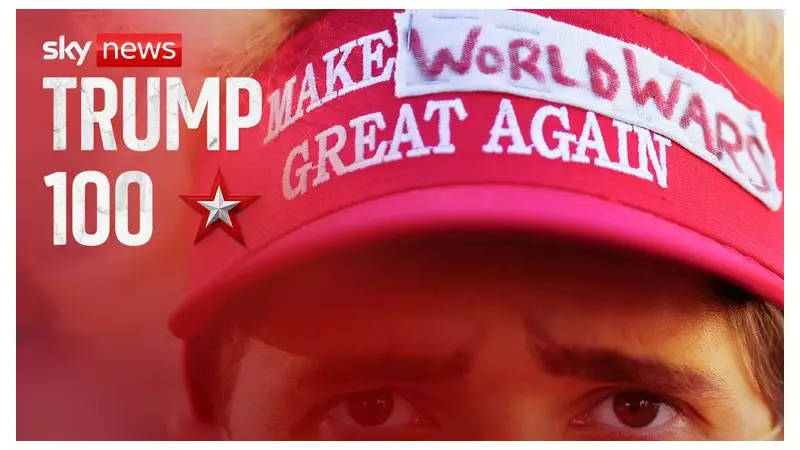
President Donald Trump has ignited a fresh international crisis, threatening to impose severe tariffs on the United Kingdom and seven other allied nations. The ultimatum, issued over the weekend of Saturday 18 and Sunday 19 January 2026, is linked to their continued opposition to his demand for the United States to take control of Greenland.
Leaked Messages Reveal NATO Rift
The sudden escalation in rhetoric, which risks destabilising the NATO alliance, may be explained by a series of leaked text messages. These communications, reportedly between President Trump and the Norwegian Prime Minister, offer a rare insight into the private diplomatic friction. While the full content remains undisclosed, the leak suggests growing frustration within the Trump administration over the reluctance of European partners, including the UK under Prime Minister Sir Keir Starmer, to acquiesce to the Greenland proposal.
The threat directly targets the economic relationship between the US and the UK, marking a significant downturn in transatlantic relations. The other seven countries facing potential punitive tariffs have not been named, but are understood to be traditional NATO allies who have also resisted the Greenland plan.
The Controversial 'Gaza Board of Peace'
In a parallel and equally contentious development, the formation of a so-called 'Gaza Board of Peace' has begun. President Trump has outlined a framework where a contribution of $1bn grants a seat on the executive body tasked with leading the future of the Gaza Strip, following the recent war.
The list of individuals invited to join this board has provoked global outrage. Most notably, it includes Russian President Vladimir Putin, who is the subject of an arrest warrant from the International Criminal Court in The Hague for alleged war crimes. The inclusion of such a figure in a peace process for another conflict zone raises profound questions about the board's legitimacy and purpose.
Implications for Global Diplomacy
These twin developments represent a dramatic shift in American foreign policy. The tariff threat over Greenland treats a core defensive alliance as a transactional relationship, potentially undermining the mutual trust that NATO is built upon. Simultaneously, the monetised and politically charged approach to Gaza peacemaking, involving figures like Putin, challenges established international norms and institutions like the United Nations.
Analysts are deeply concerned that these actions could isolate the United States from its traditional partners while empowering geopolitical rivals. The coming weeks will be critical as the targeted nations, including the UK, formulate their response to what they view as an unprecedented coercive tactic from a key ally.