Trump Declares NATO Withdrawal 'Beyond Reconsideration' Amid Iran Conflict
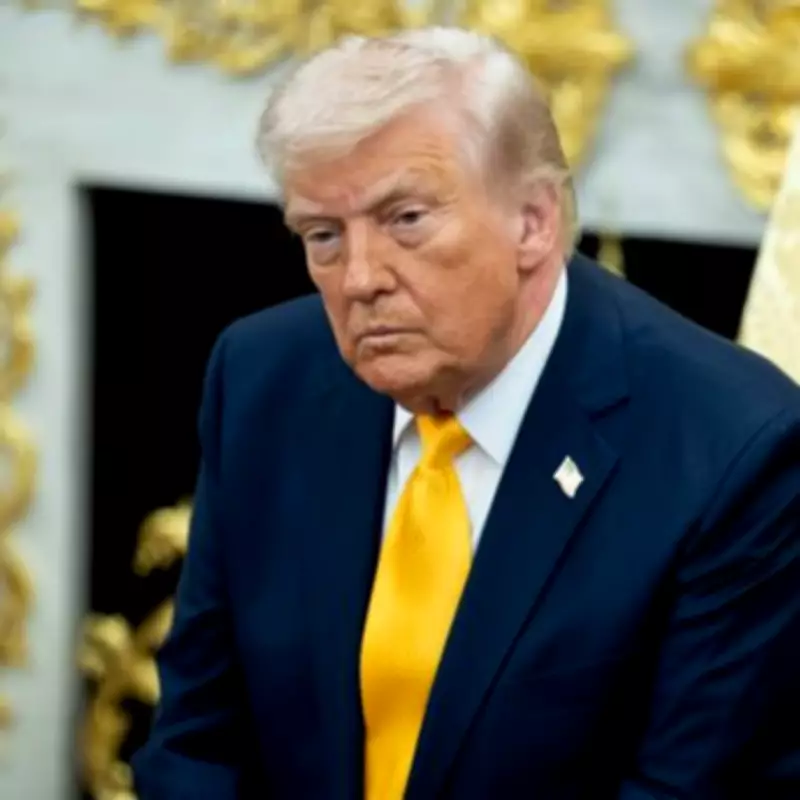
Former US President Donald Trump has escalated his criticism of the North Atlantic Treaty Organization (NATO), stating that withdrawing the United States from the defense alliance is now "beyond reconsideration." In a series of remarks, Trump asserted that he and Russian President Vladimir Putin both view NATO as a "paper tiger," highlighting his long-standing skepticism toward the organization.
Iran War Sparks NATO Tensions
The comments come amid heightened tensions following Trump's military actions against Iran, which have led to the closure of the Strait of Hormuz—a critical maritime passage for global oil shipments. Trump expressed frustration that NATO allies, including the United Kingdom, have not supported his efforts to reopen the strait, where approximately 20% of the world's oil typically transits.
"I was never swayed by NATO. I always knew they were a paper tiger, and Putin knows that too, by the way," Trump stated. He emphasized that the lack of allied support has reinforced his view that the alliance is unreliable, particularly in times of conflict.
Criticism of UK and European Allies
Trump specifically targeted the United Kingdom, dismissing Prime Minister Sir Keir Starmer's reasons for not engaging in the Iran war. He mocked the state of the Royal Navy, claiming, "You don't even have a navy. You're too old and had aircraft carriers that didn't work." When asked if Starmer should increase defense spending, Trump retorted, "All Starmer wants is costly windmills that are driving your energy prices through the roof."
The White House has reportedly grown disillusioned with European partners after they declined to deploy warships to the Strait of Hormuz, further straining transatlantic relations. This incident has exacerbated existing doubts about NATO's cohesion and effectiveness under Trump's leadership.
Global Economic and Security Implications
The closure of the Strait of Hormuz has triggered a surge in global oil and gas prices, raising concerns about a potential worldwide recession. In response, Iran's Parliament Security Commission has approved a plan to impose tolls on the strait and block transit for American and Israeli vessels, as reported by the Fars news agency.
Trump is scheduled to deliver an "important" update on the Iran war in a national address, announced by White House press secretary Karoline Leavitt. The speech is expected to draw international attention, given the escalating geopolitical stakes.
Historical Context and Future Outlook
Trump's remarks echo his previous criticisms of NATO during his presidency, where he often questioned the alliance's value and pressured members to increase defense contributions. His latest statements suggest a hardening stance, with withdrawal now framed as a near-certainty rather than a mere possibility.
The situation underscores deepening divisions within NATO, as the US under Trump prioritizes unilateral action over collective defense. Analysts warn that a US exit could fundamentally alter global security dynamics, weakening the alliance and emboldening adversaries like Russia and Iran.
As the world watches Trump's upcoming address, the future of NATO hangs in the balance, with potential repercussions for international stability and economic markets.