
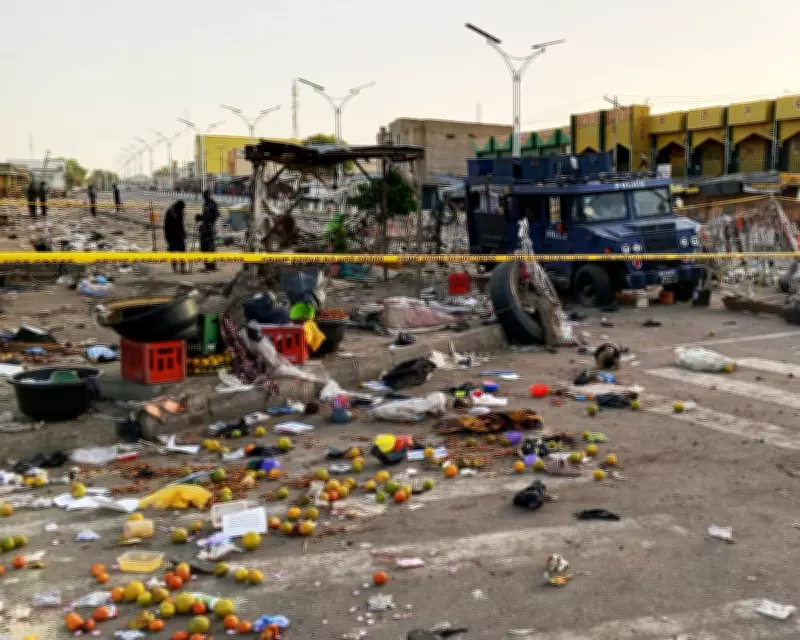
Deadly Explosions Shatter Calm in Nigerian City
At least 23 people have been killed and more than 100 others injured in a series of suspected suicide bombings that rocked the north-eastern Nigerian city of Maiduguri on Monday evening. The attacks, which occurred during iftar, the breaking of fast in the holy month of Ramadan, targeted key public areas, including the post office, market zones, and the entrance to the University of Maiduguri teaching hospital.
Historical Context of Violence
Maiduguri, the capital of Borno state, has long been a focal point in Nigeria's battle against insurgency, particularly with the Boko Haram group. The post office and Monday market areas, hit in the latest blasts, were regular targets during the peak of the conflict a decade ago. In one of the deadliest incidents in the city's history, 58 people lost their lives in similar attacks exactly ten years ago this month.
This recent surge in violence comes just after an assault on a military post on the outskirts of the city from Sunday night into Monday morning. While no group has immediately claimed responsibility, Nigerian authorities have attributed the bombings to "suspected Boko Haram terrorist suicide bombers" using improvised explosive devices.
Military Response and Political Reactions
In a statement, military spokesperson Sani Uba condemned the attacks as "cowardly," aimed at inflicting mass casualties and spreading panic in crowded public spaces. The explosions have disrupted Maiduguri's reputation as a relative oasis of calm in recent years, as much of the terrorist activity had shifted to rural hinterlands.
President Bola Tinubu, currently on a state visit to the UK, has directed security chiefs to relocate to Maiduguri to oversee the situation and ensure a decisive response. This move follows warnings from Borno governor Babagana Zulum, who last April raised concerns about a potential resurgence of jihadist groups in the region.
Broader Impact of the Insurgency
The Boko Haram insurgency, which began in 2002 and intensified after the 2009 killing of its leader Mohammed Yusuf, has led to the displacement of over 2 million people and hundreds of thousands of deaths. The group's splintering, with factions like the Islamic State West Africa Province (ISWAP) emerging, has fueled ongoing violence and territorial disputes.
Until a bombing at a mosque last Christmas Eve, which killed at least five people, Maiduguri had not experienced a major attack since 2021. The recent incidents underscore the persistent threat posed by extremist groups in Nigeria, despite efforts to push them to rural areas.




