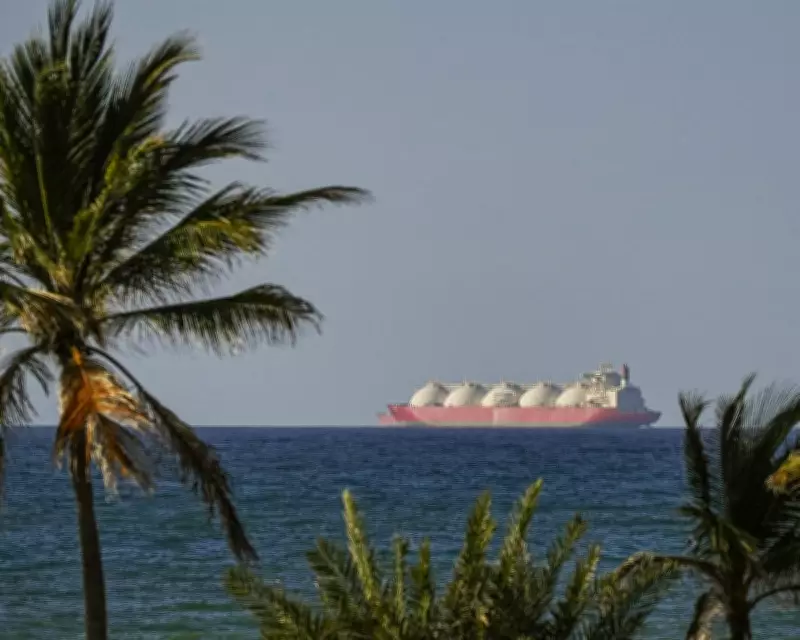
Iran Announces Closure of Strait of Hormuz Following Israeli Military Strikes on Lebanon
In a dramatic escalation of regional hostilities, Iranian state media declared on Wednesday evening that the strategically vital Strait of Hormuz had been closed. This decisive action came in direct response to what was described as a brutal assault by Israel on Lebanon, involving approximately one hundred strikes within a mere ten-minute period.
A Fragile Ceasefire and Conflicting Claims
The closure of this critical maritime passageway unfolded against the backdrop of a newly announced two-week ceasefire, brokered by former US President Donald Trump. Both the United States and Iran had previously claimed victory regarding the ceasefire, though subsequent events have starkly revealed the fragility of these assertions and the deep-seated tensions that persist.
President Trump had publicly stated that the strait would be reopened, while Iranian officials countered that any ship passage would require explicit permission and likely incur a cost. The rapid Israeli military action against Lebanon, a nation Iran insists must be included in any regional agreement, directly contradicted the US position and triggered the immediate Iranian response to seal the waterway.
Regional Devastation and Strategic Failures
This prolonged conflict has resulted in catastrophic human costs, with thousands of casualties, including numerous children, and has left countless more civilians exhausted and traumatized. The conduct of the war has been marked by open boasts of intent to commit war crimes, further destabilizing the region.
From a strategic standpoint, the war represents a significant failure for multiple actors. The United States has expended tens of billions of dollars, depleted military resources, and damaged alliances. Israel, under Prime Minister Benjamin Netanyahu, has achieved none of its stated objectives and now faces a weaker but more unpredictable Iranian adversary, while also alienating Gulf states and shifting US public opinion further against its policies.
Economic and Global Repercussions
The closure of the Strait of Hormuz carries severe global economic implications. This chokepoint is essential for a substantial portion of the world's oil shipments. Restrictions on transit threaten to severely damage humanitarian aid operations and drive up commodity prices worldwide, with the most devastating impact felt by the poorest populations.
Regional Gulf powers, who opposed the war's initiation, are now confronting a scenario where the US is disengaging, leaving behind a more antagonistic Iran. Their reputations as stable hubs for tourism and investment have been severely compromised.
A Landscape of Loss and Unlikely Winners
In this devastating conflict, there are few genuine victors. The Iranian regime may count mere survival as a success, but it operates with a decimated leadership, a crippled economy, and shattered infrastructure, likely leading to increased internal repression. The true beneficiaries appear to be global arms manufacturers and geopolitical rivals like Russia, which benefits from higher oil revenues, and China, which emerges as a seemingly more stable power in contrast to a distracted United States.
The war has normalized rhetoric surrounding war crimes and further eroded the international rules-based order. Ultimately, this episode may be recorded as a profound strategic defeat for the United States, the repercussions of which will echo for decades, highlighting systemic failures in its foreign policy approach.