Strait of Hormuz Ceasefire Confusion: Is It Open or Closed?
Published April 9, 2026 12:12pm Updated April 9, 2026 12:12pm
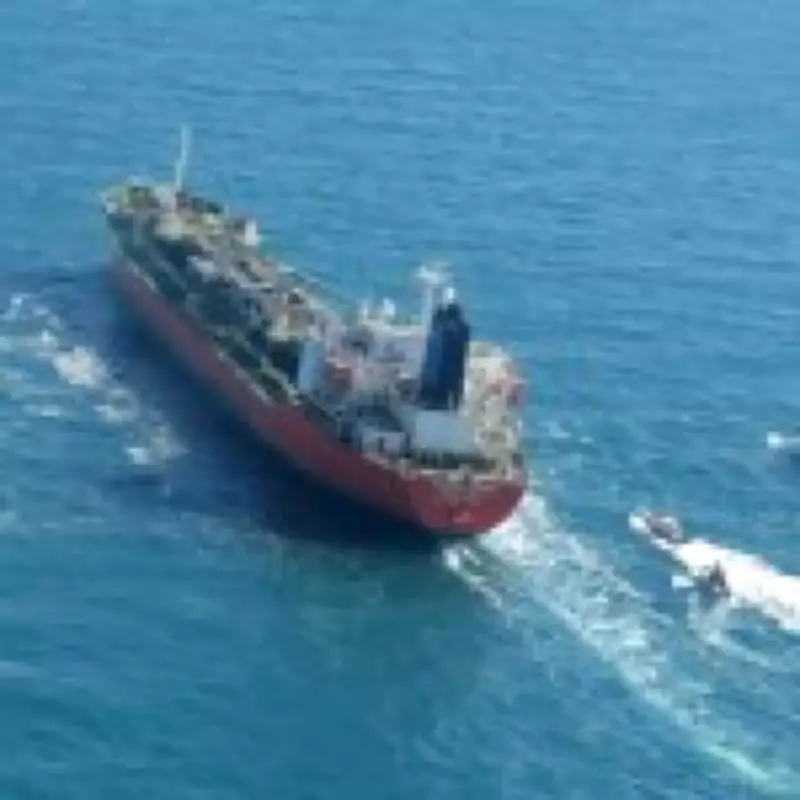
Iran and the United States are embroiled in a stark disagreement over the operational status of the Strait of Hormuz following a recent ceasefire agreement. This vital maritime passage, a critical artery for global oil shipments, has become the focal point of escalating tensions between the two nations.
Conflicting Statements from US and Iran
US Secretary of Defence Pete Hegseth announced to reporters that the Strait had been reopened, attributing this development to diplomatic efforts. 'It’s time for the rest of the world to step up and ensure that that stays open, after President Trump and the War Department brought Iran to the place where they are voluntarily opening it right now, as was announced last night,' Hegseth stated.
However, shortly after this declaration, reports from the Gulf region contradicted the US position. Multiple vessels received direct messages from Iran’s navy asserting that the Strait of Hormuz remained closed. The Iranian warning was unequivocal: 'Any vessel trying to travel into the sea … will be targeted and destroyed.' This stark contrast highlights the fragile nature of the ceasefire and the deep-seated mistrust between Tehran and Washington.
How Iran Exerts Control Over the Strait
Iran’s ability to dominate the Strait of Hormuz stems from a combination of geographical advantages and advanced military tactics. The Strait, a narrow 60-mile-wide channel in the Persian Gulf, is only 24 miles across at its most constricted point. This proximity to the Iranian coastline allows for precise targeting of passing ships without the need for naval vessels.
Iran employs a range of unconventional weapons to enforce its control, including anti-ship missiles launched from shore, underwater mines strategically placed in the waters, and cost-effective drones deployed to monitor and attack unauthorized vessels. Under international law, specifically UN provisions, countries are permitted to exercise sovereignty over territorial waters extending up to 13.8 miles from their coastlines. Significant portions of the Strait fall within the territorial waters of Iran and Oman, granting them legal authority to defend these areas if deemed necessary.
Expert Analysis on the Current Situation
Dr. Bamo Nouri, a senior lecturer in International Relations at the University of West London, provided insight into the contradictory reports. 'It is technically 'open' but not freely operating. The US presents it as open to reassure markets, while Iran is effectively controlling access – allowing passage, but under conditions, monitoring, and implicit threats against non-compliant vessels,' he explained.
Dr. Nouri elaborated that this creates a high-risk environment for maritime traffic. 'That means shipping can move, but with heightened risk, reduced traffic, and rising costs. In practice, Iran doesn’t need to fully close the strait to exert leverage. By making it uncertain, conditional, and potentially expensive, it can still disrupt global energy flows and signal its strategic power, which is why markets remain tense despite the ceasefire.'
Ceasefire Agreement and Its Implications
The two-week ceasefire, agreed upon by Iran, Israel, and the United States, included a specific condition for the reopening of the Strait of Hormuz to maritime traffic. However, Iran and the US appear to have fundamentally different interpretations of what this reopening entails.
The Islamic Revolutionary Guard Corps (IRGC) has released coordinates indicating the locations of underwater explosives in the Strait, claiming this map provides a safe corridor for oil tankers. Tehran asserts this measure is necessary for security, even as it facilitates the passage of approximately 20% of the world’s daily oil supply.
Former President Donald Trump declared the passage officially open, but operations were halted after only two tankers successfully navigated through. Further complicating matters, reports surfaced suggesting Iran is considering imposing a toll of up to $1 million on each ship attempting to pass, a move that would directly contravene the spirit of the ceasefire agreement aimed at free and open navigation.
The ongoing uncertainty underscores the precarious balance of power in the region and the significant challenges in implementing lasting peace agreements.