RAF Veteran Banned for Being Gay Demands £50,000 Payout from MOD
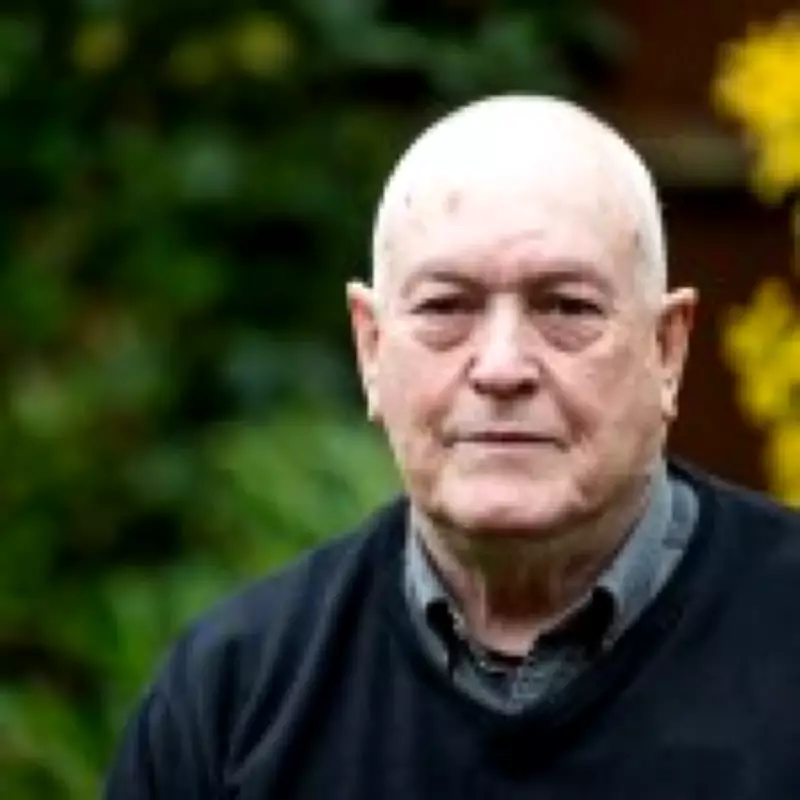
An 80-year-old RAF veteran, who was dishonourably discharged from the force for being gay, is urging the Ministry of Defence to revise its reparations scheme to include those excluded by what he calls an "arbitrary" cutoff date. Chris Dennis, who joined the RAF as a radar technician at age 16 in 1961, was thrown out in 1966 due to his sexuality, missing eligibility for a government compensation program by mere months.
Historical Injustice and Exclusion from Reparations
In 2024, the UK government established a £75 million scheme to provide £50,000 payments to LGBTQ+ individuals discharged from the armed forces between 1967 and 2000 because of their sexuality. An additional £20,000 is available for those who faced further negative impacts, such as investigations, harassment, or imprisonment. However, because Chris was discharged at the end of 1966, he is not eligible for any financial compensation under this program.
Chris described his experience, stating, "I enjoyed my job. It was great. Then, in 1966, I was arrested, interrogated by the SIB (Special Investigations Branch) and charged with, essentially, being a homosexual." He was discharged with ignominy, just a year before male homosexuality was decriminalised in civilian law in 1967. The armed forces only legalised homosexuality in 2000, but for Chris and thousands of others, the damage was already done.
Broader Impacts and Emotional Toll
Beyond losing his military career, Chris faced significant professional setbacks. After being discharged, he secured work as a commercial engineer but was unable to obtain security clearance for government contracts due to his dishonourable discharge. He also revealed that SIB officers pressured him to name other gay servicemen in exchange for an ordinary discharge, which he refused.
Chris expressed the emotional devastation, saying, "You are suddenly kicked out, and you lose the support, the job, everything. It was a big shock." He added that the denial of non-financial reparations, such as the restoration of medals, berets, and the Etherton Ribbon—a rainbow pin for LGBTQ+ veterans—is even more hurtful than the financial exclusion. "The emotional side of, 'You are now accepted back'—that's more important," he emphasised.
Calls for Justice and Inclusion
Chris feels like an "outcast" and is barred from fully participating in Remembrance Day parades, reinforcing his sense of exclusion. Peter Gibson, Chief Executive of the LGBTQ+ veteran charity Fighting With Pride, criticised the MOD's stance, stating, "It is grossly unfair that the MOD will not simply extend even the non-financial reparations to people like Chris. To not provide him with his beret and an Etherton Ribbon is simply mean and unkind, and lacks any sense of justice and fairness."
A MOD spokesperson responded, "We deeply regret the treatment of LGBT serving personnel between 1967 and 2000, which was wholly unacceptable and does not reflect today's Armed Forces. LGBT veterans have the same right to wear their medals and berets as other veterans." However, the MOD declined to comment on individual cases.
Personal Life and Ongoing Struggle
Chris, who entered a civil partnership with his partner of over 30 years in 2012 at the British Embassy in Hanoi, Vietnam, remains disappointed but not angry. "I am too old for that," he said. "I am disappointed, as much as anything, that it has come to this. [The RAF] is a brilliant life. If I could wind the clock back, knowing what I know now, I would still join up." While £50,000 would help financially, he stresses that recognition and acceptance are paramount for healing the wounds of past discrimination.