Police Pledge Action Against Abusers Driving Women to Suicide Despite Resource Shortages
The National Police Chiefs' Council has declared its determination to hold domestic abusers accountable when their victims die by suicide, even as officers grapple with overwhelming caseloads and diminishing resources. Assistant Commissioner Louisa Rolfe, the NPCC's domestic abuse lead, revealed that while more posthumous investigations are occurring, police forces face significant challenges in pursuing these complex cases.
Systemic Challenges in Domestic Abuse Investigations
Rolfe explained that approximately 20% of all crime reported to most police forces relates to domestic abuse, creating enormous pressure on investigators. "The scale of this is challenging," she acknowledged. "Policing has a finite resource." She noted that while focus on domestic abuse work has increased significantly during her 35-year career, resources have diminished even as technological demands have grown.
"The more data that technology includes, the more work there is for policing," Rolfe said, referencing the digital evidence from mobile phones that now forms crucial parts of investigations. "But we probably have less resources now than we had 20 years ago when people didn't really use smartphones."
Guidance Reforms and Investigative Improvements
National guidance has been substantially revised following feedback from families who raised concerns about police responses to domestic abuse-related suicides. Rolfe identified several problematic patterns that previously existed: "Officers were too quick to assume, 'well, it's a suicide and therefore a case for the coroner, not an investigation to be had by policing.' They too often assumed that the domestic abuse perpetrator was the primary next of kin, risking evidence being lost by returning personal property like phones to those individuals."
The NPCC's research team has been working with forces to implement new protocols, including daily review processes for unexpected deaths similar to systems introduced by the Metropolitan Police after the Stephen Port case. These changes aim to ensure second opinions on cases and greater investigative curiosity.
Case Studies Highlight Systemic Failures
The Guardian's analysis reveals that the number of women driven to suicide by domestic abusers is seriously under-reported, with cases often overlooked by police. Two tragic examples illustrate both progress and persistent challenges.
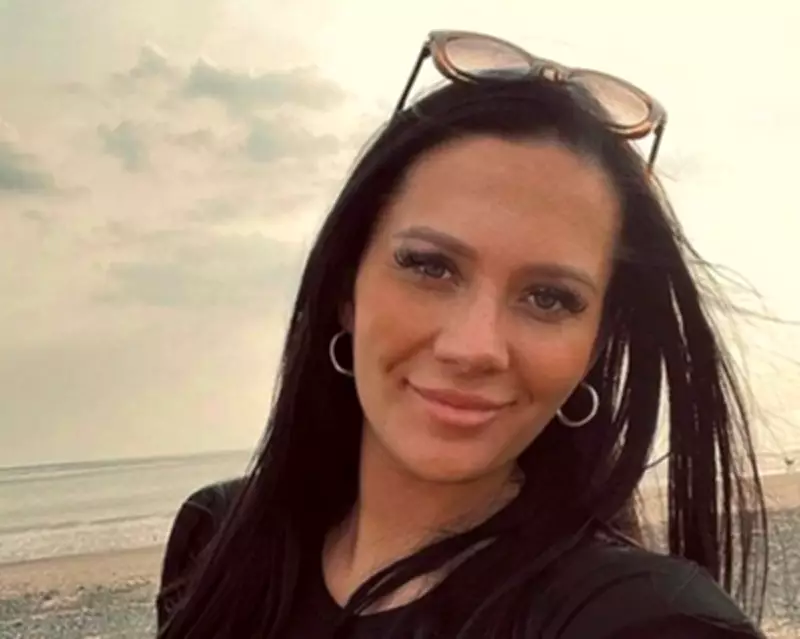
Kiena Dawes left a note on her phone stating "Ryan Wellings killed me" after enduring repeated assaults, bullying and belittling from her partner. Wellings was convicted of assault and coercive controlling behaviour, receiving a six-and-a-half-year sentence, but was found not guilty of manslaughter. "We know from that case how difficult it can be to secure a prosecution that makes a causal link between the abuse and the death," Rolfe acknowledged.
In another case, Katie Madden took her own life hours after her partner Jonathon Russell told her to kill himself. Russell admitted to giving Madden a black eye weeks before her death, yet no criminal investigation was ever launched. Police told Madden's mother they only had capacity to examine one month's worth of messages before dropping the investigation into alleged coercive and controlling behaviour.
Overwhelmed Investigators and Justice System Backlogs
Rolfe described a perfect storm of challenges: investigators who should handle about 15 cases now often manage more than double that number, while court backlogs mean cases remain active for years rather than months. "Ten years ago most of those cases would be in court over the next six months and then move out of their caseload," she explained. "For the last five years, those have not been going through the court process, so the list of victims that they're keeping updated and supporting is just growing."
This overwhelming workload sometimes forces difficult prioritization decisions. "There is a reality that we have more work than we can cope with," Rolfe admitted. "For domestic abuse investigators, sometimes that might mean the cases where they are seeking to protect a victim who needs protection right now might take precedence over a case where sadly the victim is no longer around to be protected."
However, she emphasized: "The most serious cases we deal with are deaths, and therefore we should not be not investigating."
Green Shoots of Improvement Amid Ongoing Crisis
Despite the challenges, Rolfe pointed to encouraging developments. "We're seeing more posthumous investigations, which is heartening," she said. "For many families, ensuring that we're investigating the coercive controlling behaviour that happened in an abusive relationship provides some measure of justice."
The assistant commissioner concluded with cautious optimism: "We're determined to do more. We're seeing green shoots of improvement in our response. There's still a huge amount more to do."
The revelations come as the Guardian publishes a series examining domestic abuse-related suicides, highlighting both systemic failures and the human cost of inadequate responses to violence against women.