
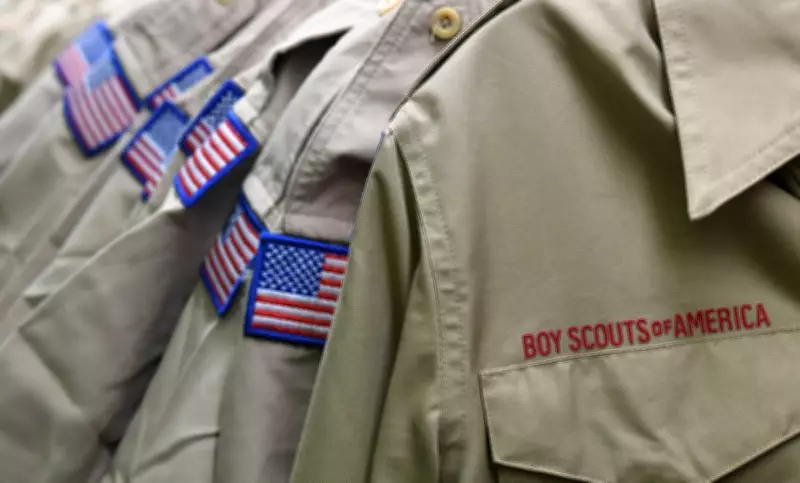
Pentagon Flags Boy Scouts of America as Potential National Security Threat
The United States Department of Defense has issued a startling assessment, identifying the Boy Scouts of America as a potential security threat to the nation. This unprecedented move by the Pentagon has sent shockwaves through the organisation and raised significant questions about the future of youth groups in the context of national defence.
Concerns Over Youth Indoctrination and Organisational Influence
According to internal documents, defence officials have expressed deep concerns regarding the potential for youth indoctrination within the Boy Scouts. The Pentagon fears that the organisation's widespread reach and its influence over young minds could be exploited for purposes that undermine national security. This classification stems from an analysis of the group's structure, membership, and historical ties to various societal movements.
The assessment highlights worries about the Boy Scouts' ability to shape the values and beliefs of millions of American youths. Defence analysts have pointed to the organisation's emphasis on discipline, loyalty, and outdoor skills as factors that, while generally positive, could be manipulated in ways that pose risks. The Pentagon is particularly vigilant about any group that holds significant sway over the next generation of citizens and potential military recruits.
Implications for the Boy Scouts and National Defence Policy
This designation by the Pentagon could have far-reaching consequences for the Boy Scouts of America. The organisation may now face increased scrutiny from federal agencies, potentially affecting its funding, partnerships, and operational freedoms. Leaders within the Boy Scouts have expressed surprise and disappointment at the classification, emphasising their long-standing commitment to fostering patriotism and civic duty among young Americans.
From a defence policy perspective, this move signals a broader shift in how the Pentagon evaluates domestic organisations. It reflects growing anxieties within the defence establishment about internal threats and the need to monitor groups that operate on a national scale. The classification of the Boy Scouts as a potential threat underscores the complex challenges facing national security in an era where traditional boundaries between civilian and military spheres are increasingly blurred.
Historical Context and Future Outlook
The Boy Scouts of America has been a cornerstone of youth development in the United States for over a century, promoting values such as honesty, respect, and community service. This new classification by the Pentagon represents a dramatic departure from the organisation's historically positive reputation. It raises questions about how other large youth groups might be viewed through the lens of national security in the future.
As the situation develops, stakeholders from both the defence community and civil society will be closely watching the Pentagon's next steps. The Boy Scouts may need to engage in dialogue with defence officials to address concerns and clarify their mission. This incident highlights the delicate balance between safeguarding national security and preserving the integrity of longstanding civic institutions.




