
Pakistan Declares 'Open War' on Afghanistan After Overnight Strikes
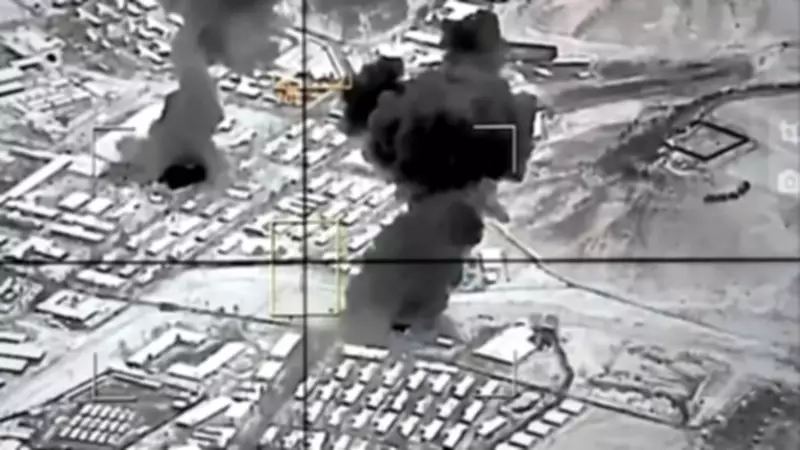
Pakistan's defence minister has declared that the country is now in an "open war" with neighbouring Afghanistan, following a series of overnight strikes that targeted the Afghan capital Kabul and two other provinces. This escalation comes just hours after Afghanistan launched a cross-border attack on Pakistan, marking a significant deterioration in relations between the two nations.
Escalation of Hostilities
Khawaja Muhammad Asif, Pakistan's defence minister, stated in a social media post that Islamabad's patience had "overflowed," leading to the current state of open conflict. He accused the Taliban-led government in Afghanistan of turning the country into a "colony of India," gathering militants globally, and exporting terrorism. There has been no immediate response from Afghan officials to these allegations.
According to Afghanistan government spokesman Zabihullah Mujahid, Pakistan carried out strikes on Kabul and other provinces overnight. In retaliation, Afghanistan's defence ministry reported that 55 Pakistani soldiers were killed, with some bodies taken into Afghanistan, and several others captured alive. They also claimed to have destroyed 19 Pakistani army posts and two bases.
Conflicting Casualty Reports
Ahmed Sharif Chaudhry, a spokesperson for the Pakistan military, provided sharply differing figures, stating that Pakistani forces had killed 274 members of the Taliban forces and militants. He added that 22 Afghan military targets were hit and at least 12 Pakistani soldiers lost their lives. None of these casualty reports have been independently verified, highlighting the chaotic nature of the conflict.
A Reuters witness in Kabul reported hearing many ambulance sirens following loud blasts, indicating significant damage and casualties. Both sides have placed their forces on high alert, with military operations ongoing under the orders of Pakistani Prime Minister Shehbaz Sharif.
Historical Context and Tensions
The relationship between Pakistan and Afghanistan has been complex since Pakistan's founding in 1947. Pakistan supported the Afghan mujahideen during the Soviet–Afghan War and later recognized the Taliban-led government in the late 1990s, even backing their second takeover in 2021. However, relations soured with the emergence of Tehrik-e-Taliban Pakistan (TTP), also known as the Pakistani Taliban, which Islamabad accuses Kabul of harbouring.
In recent years, border skirmishes have increased as Pakistani authorities attempt to target TTP figures. A ceasefire mediated by Qatar in October and peace talks in November failed to produce a formal agreement, leading to the current escalation. Militant violence in Pakistan surged last year, making it the deadliest in a decade, with the government blaming many attacks on the TTP.
International Concerns
The escalation threatens a fragile ceasefire along the 1,615-mile border and deepens disputes over Islamabad's claims that Kabul provides safe havens for militants. British Foreign Secretary Yvette Cooper expressed deep concern over the significant escalation, urging both sides to de-escalate, avoid civilian harm, and re-engage in mediated dialogue.
As tensions intensify, with deadly border clashes killing dozens of civilians, soldiers, and militants, the situation remains highly sensitive and fragile. Both nations are now on high alert, with the potential for further conflict looming large.




