
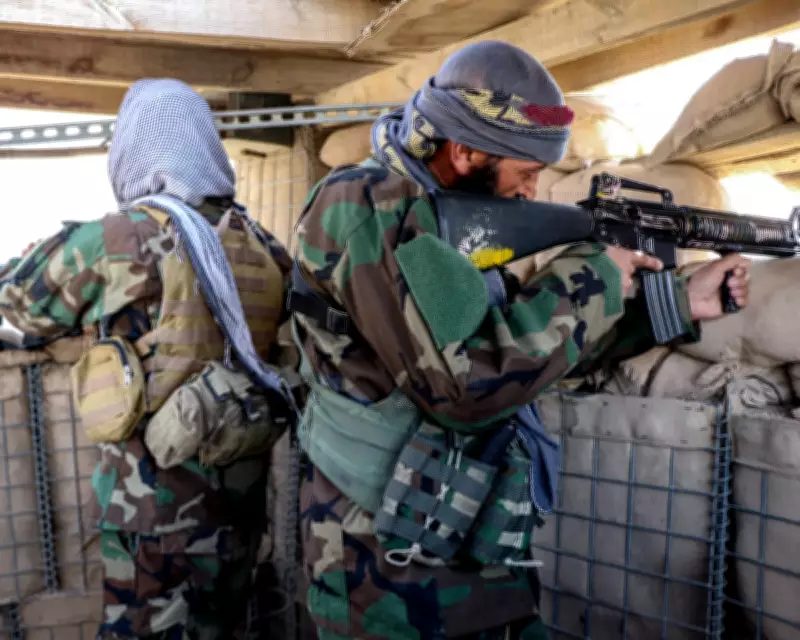
Pakistan-Afghanistan Border Conflict Intensifies Amid Taliban Tensions
Recent developments along the Pakistan-Afghanistan border have seen a significant escalation in cross-border tensions, with the Taliban's involvement adding a complex layer to the ongoing conflict. Security forces from both nations have reported increased clashes, raising alarms about regional stability and the potential for broader violence.
Rising Cross-Border Clashes
In the past week, multiple incidents of cross-border fire have been documented, resulting in casualties on both sides. Pakistani authorities claim that Afghan-based militants, including elements linked to the Taliban, have launched attacks targeting military outposts. Conversely, Afghan officials accuse Pakistan of violating sovereignty through unauthorized incursions and airstrikes.
The situation has deteriorated rapidly, with local communities caught in the crossfire, leading to displacements and humanitarian concerns. Eyewitness accounts describe frequent gunfire and shelling, disrupting daily life and economic activities in border regions.
Taliban's Role and Regional Implications
The Taliban's resurgence in Afghanistan since 2021 has profoundly influenced border dynamics. While the group officially governs Afghanistan, its ties to militant factions operating in Pakistan have fueled suspicions and retaliatory actions. Analysts suggest that internal divisions within the Taliban may be exacerbating the conflict, as hardline elements push for aggressive postures against neighboring states.
This border strife is not isolated; it reflects deeper geopolitical rivalries and historical grievances between Pakistan and Afghanistan. The involvement of external actors, such as regional powers and international coalitions, further complicates resolution efforts, with diplomatic channels struggling to de-escalate the situation.
Humanitarian and Security Fallout
The intensifying conflict has led to a humanitarian crisis, with reports of:
- Civilian casualties and injuries from stray fire and targeted attacks.
- Mass displacements as families flee border areas for safety.
- Disruption of trade routes, impacting local economies and supply chains.
Security measures have been heightened on both sides, including increased patrols and fortifications, but these have done little to curb the violence. The international community has expressed concern, calling for restraint and dialogue to prevent further escalation.
As tensions persist, the risk of a full-scale confrontation looms, threatening not only bilateral relations but also regional peace. Ongoing monitoring and diplomatic interventions are crucial to averting a broader crisis in this volatile part of the world.




