
NSW Anti-Slavery Commissioner Questions Handling of Iranian Football Squad's Departure
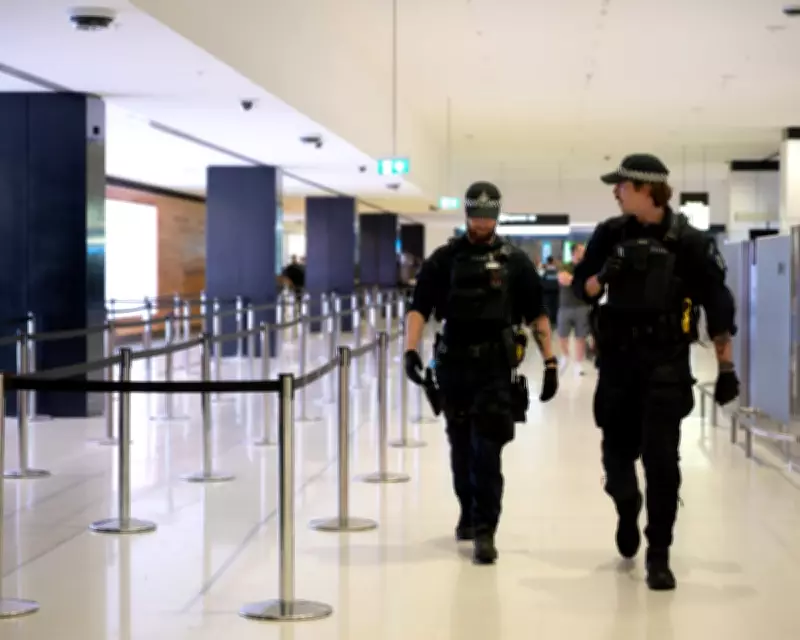
The NSW anti-slavery commissioner has raised serious concerns about the role of the Australian federal police, Sydney airport, and Qantas in facilitating the departure of the Iranian women's football team from Australia. This comes amid widespread reports of threats, intimidation, and coercion affecting the players.
Doubts Over Decision-Making Under Duress
Dr James Cockayne issued a statement expressing his doubts about whether the women made their decisions freely. He acknowledged that players and some support staff were given a private meeting with a home affairs official and an interpreter, which led to two more squad members initially deciding to stay in Australia, though one later changed her mind.
"This was an extraordinarily tough and traumatising decision to have to make – whether to return home to a war-torn country and face the wrath of a highly repressive, misogynistic regime or stay with a very uncertain future far away from family and supports, possibly placing family back in Iran at greater risk," Cockayne said.
He emphasized that key questions must be addressed: were these decisions truly made free from duress, and did these women have all the information they needed and were entitled to? Cockayne stated he has his doubts, highlighting the complex pressures involved.
Urgent Questions for Authorities and Businesses
Cockayne outlined several critical questions that need answers, including:
- Whether the Iranian athletes received independent legal advice.
- If the AFP interviewed the women to determine if they were being coerced.
- What Sydney airport and Qantas did to address the clear and highly publicised risk of exit trafficking.
"Like many Australians, I look forward to these urgent questions being answered. I certainly do not want to believe that our national police force, or the businesses that run our national flag carrier and our busiest airport, may have turned a blind eye or even unwittingly contributed to exit trafficking," he added.
The situation underscores the challenges in balancing international sports participation with human rights protections, particularly for athletes from repressive regimes.




