NATO Faces Calls to Become 'More European' as Key US Figure Misses Summit
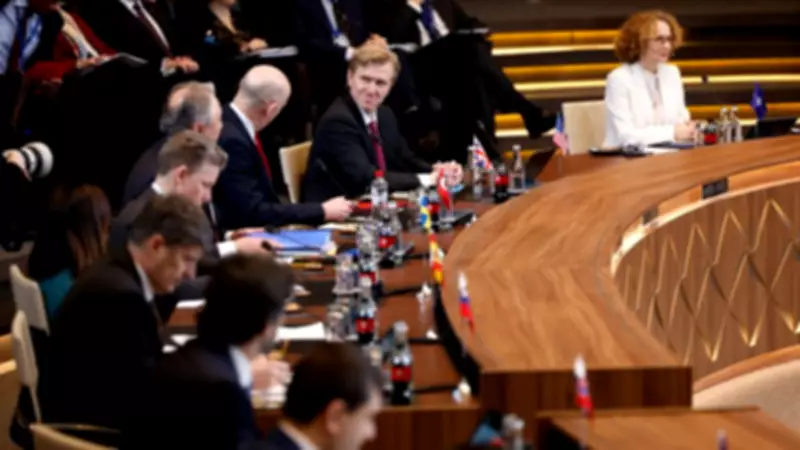
German Defense Minister Boris Pistorius has declared that the time has come for Europeans to gradually assume greater responsibility for their own security, emphasizing the need for NATO to become "more European" to maintain its transatlantic character. This statement came as defense ministers from the 32-nation alliance gathered at NATO headquarters in Brussels on Thursday, notably without US Secretary of War Pete Hegseth in attendance.
US Absence Sparks Mixed Reactions Among Allies
Pete Hegseth's decision to skip the meeting, instead sending his deputy Elbridge Colby, prompted varied responses from fellow NATO members. Thorgerdur Katrin Gunnarsdottir, Iceland's foreign minister who also oversees defense, remarked lightheartedly that Hegseth was "missing a good party," while downplaying any negative implications. However, the absence raised questions about US commitment to European security, particularly following Hegseth's warning a year earlier that the United States was shifting its focus and Europe needed to lead its own defense.
German Defense Minister Boris Pistorius expressed that he was "not disappointed" by his American counterpart's no-show, citing busy schedules. He stressed that Europe playing a larger role in its defense is "absolutely normal and natural," and he supports this direction. Pistorius underscored that the United States remains a vital NATO member, but argued that making the alliance more European is essential to preserving its transatlantic nature.
Background: Tensions and Recent Developments
The summit occurred against a backdrop of ongoing tensions, including earlier threats from former US President Donald Trump to seize Greenland, which is part of NATO ally Denmark. NATO Secretary General Mark Rutte helped defuse that crisis through discussions with Trump, reaffirming that defending the Arctic is a core alliance priority. In response, NATO recently announced an enhanced mission called Arctic Sentry, aimed at protecting the high north from threats posed by Russia and China, and demonstrating to Trump that the territory is well-secured.
Germany has significantly increased its defense spending in response to Trump's demands, highlighting the broader European effort to bolster security capabilities. The Icelandic foreign minister noted that the alliance is now stronger than at the start of the year, reflecting resilience amid challenges.
Implications for NATO's Future
The discussions at the Brussels meeting focused on steps to enhance European security, with ministers exploring how to implement a more European-centric approach within NATO. This shift is seen as crucial for adapting to changing global dynamics and ensuring the alliance's effectiveness. The call for Europe to take over more responsibilities step by step in the coming years signals a potential rebalancing of roles within NATO, as members navigate complex geopolitical landscapes.
As NATO continues to address threats from Russia and China, the emphasis on European leadership underscores a strategic evolution. The alliance's ability to remain transatlantic while becoming more European will be key to its future cohesion and security impact.