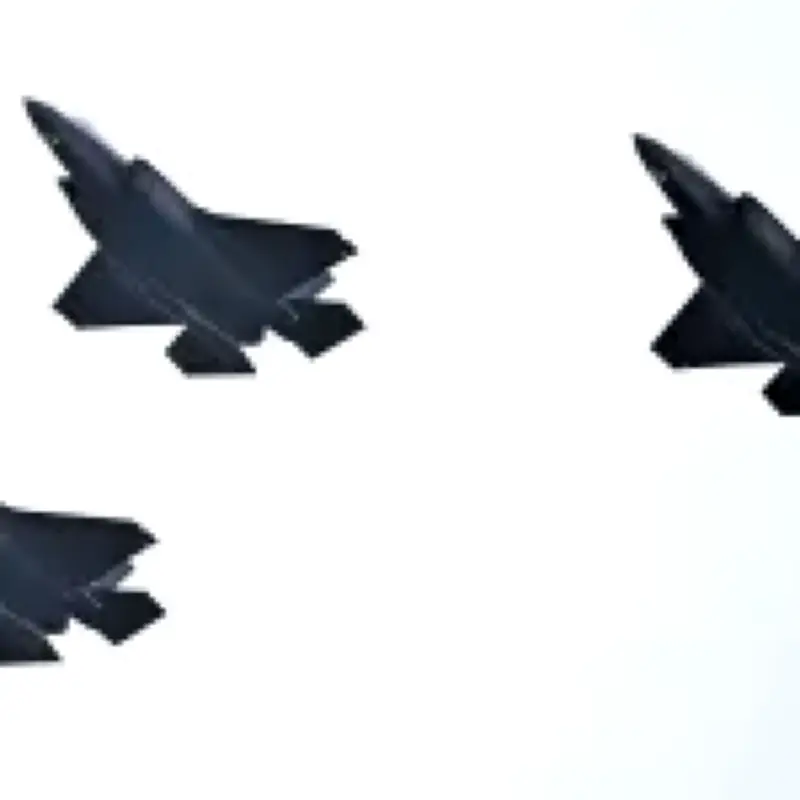
NATO fighter jets shot down a mystery drone that entered Lithuanian airspace from neighbouring Belarus, President Gitanas Nausėda confirmed on September 15, 2026. The drone was spotted overnight near Kaunas, Lithuania's second-largest city, prompting a swift military response.
Drone intercepted after crossing from Belarus
The unmanned aircraft crossed into Lithuanian territory from Belarus before being engaged and destroyed by NATO jets. President Nausėda emphasised the importance of vigilance in the region, stating: "With Russia intensifying its aggression against Ukraine, such readiness is vital for our region. Together with our NATO Allies, Lithuania will defend its airspace."
Earlier in the night, drone alarms sounded across the Lithuanian capital, Vilnius, and several villages, triggering public concern. The incident follows a pattern of increased drone activity near NATO's eastern flank.

Russia's role and broader drone operations
Russia has not claimed responsibility for the drone, but Belarus's military capabilities are largely funded and supplied by Moscow. The incident underscores the persistent threat posed by Russian-linked drone operations in European airspace.
This summer, a report by the International Institute for Strategic Studies (IISS) revealed that Russia was behind hundreds of mystery drone operations across Europe and the EU, allegedly in preparation for a "future conflict." The report detailed how Vladimir Putin's shadow fleet ships had sent drones into Britain and Europe, targeting airports, military bases, and nuclear sites.
Affected sites and European air defence gaps
Among the sites affected by these spy drones were RAF Fairford, Feltwell, Lakenheath, and Mildenhall in the UK, as well as dozens of locations across continental Europe. Since 2024, mystery drone sightings have plagued airports, military bases, and civilian areas, as Russia increasingly tests the limits of its surveillance capabilities.
The IISS noted: "The Kremlin was likely able to map reaction times, coverage gaps and limitations across European integrated air defences." This assessment highlights the strategic value of these incursions for Russia.
Previous incidents and regional tensions
In June, NATO jets were scrambled over Lithuania after a kamikaze drone was feared to have entered its airspace. Residents of Vilnius were advised to take precautions, given the country's proximity to Russia and Belarus. The alert was triggered by a "radar signal characteristic of unmanned aerial vehicles."
Later reports suggested the incursion may have been a weather balloon, but the incident occurred as Russia launched a blitz on a Ukrainian market. The latest shootdown reinforces the ongoing challenges NATO faces in securing its airspace against hybrid threats.