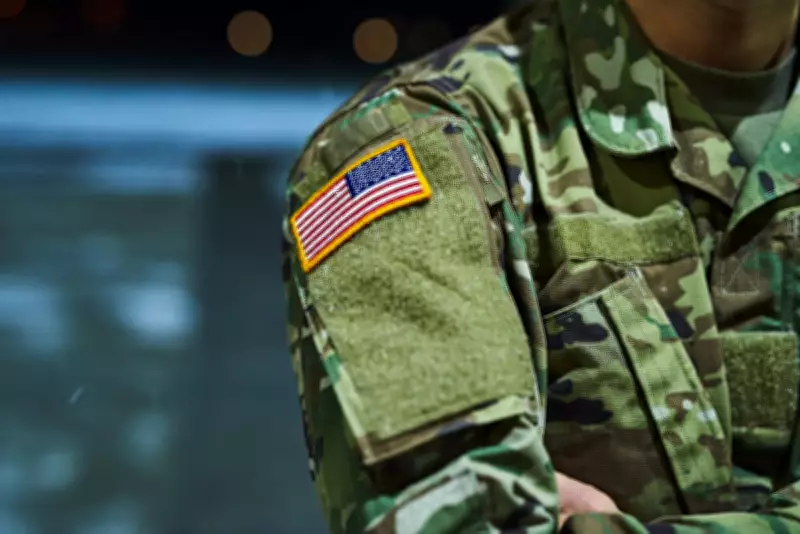
The military has embarked on a controversial new strategy, utilizing advanced artificial intelligence to produce deepfake videos as part of a propaganda campaign designed to bolster its funding. This initiative aims to secure additional financial resources from both governmental allocations and public support, marking a significant shift in how defense sectors engage with modern technology for persuasive purposes.
The Rise of AI-Driven Propaganda
In recent developments, military units have started employing sophisticated AI algorithms to generate hyper-realistic deepfake content. These videos often feature fabricated scenarios or manipulated footage that depict military successes, potential threats, or emotional appeals, all crafted to influence policy makers and the general populace. The technology behind these deepfakes allows for seamless integration of false narratives into seemingly authentic media, raising concerns about misinformation and ethical boundaries in defense communications.
Funding Objectives and Strategic Goals
The primary goal of this deepfake propaganda is to drive funding increases for military operations and technological advancements. By creating compelling visual content, the military hopes to sway public opinion and legislative decisions in favor of higher defense budgets. This approach taps into the growing reliance on digital media for information dissemination, positioning the military at the forefront of AI utilization in strategic messaging.
Ethical and Security Implications
The use of deepfakes by the military has sparked intense debate over ethical considerations and potential security risks. Critics argue that such tactics could undermine trust in official communications and exacerbate the spread of disinformation. There are also fears that these AI-generated videos might be exploited by adversaries or lead to unintended consequences in international relations. Proponents, however, contend that in an era of rapid technological change, leveraging AI for propaganda is a necessary evolution to maintain competitive advantage and secure essential funding.
Technological Capabilities and Future Prospects
The AI systems used in these deepfakes are capable of producing high-quality videos that are increasingly difficult to distinguish from genuine footage. As technology advances, the military plans to expand its use of AI for various propaganda efforts, potentially including real-time deepfake generation during conflicts or crises. This could revolutionize how military narratives are constructed and disseminated, though it also necessitates robust oversight mechanisms to prevent abuse.
In summary, the military's adoption of AI deepfakes for propaganda represents a bold move to secure funding through cutting-edge technology. While it offers new avenues for influence, it also poses significant challenges related to ethics, security, and public trust in an increasingly digital world.