
Judge Mocks Abuse Victim, Upholds Taliban's Permissive Violence Laws
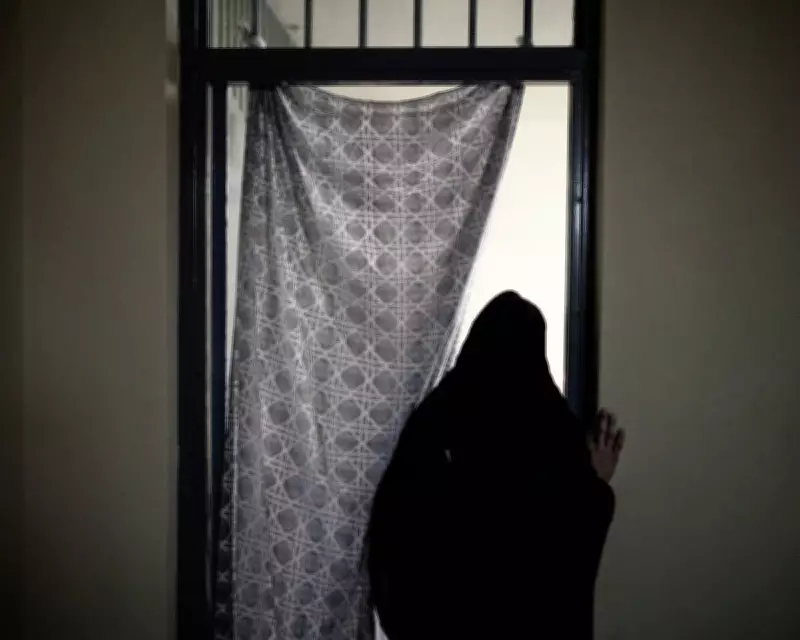
In a stark illustration of the Taliban's oppressive regime, a woman in northern Afghanistan seeking divorce due to severe domestic abuse was rebuffed by a judge who callously remarked, "A little anger and a few beatings won't kill you." This case, emerging this week, exposes the shocking extent of physical violence against women sanctioned under new Taliban laws, which permit husbands to beat their wives provided it does not involve "obscene force"—a term loosely defined and difficult for victims to prove in court.
Farzana's Ordeal: From Abuse to Judicial Dismissal
Farzana, whose name has been changed for safety, described enduring regular beatings and humiliation from her quick-tempered husband, who often mocked her as "disabled" due to a slight leg discrepancy. She tolerated the abuse for her children's sake until one evening, when she was too ill to cook dinner, her husband escalated the violence by attacking her with a mobile phone charger cable, leaving lasting marks. Deciding to seek an end to the torment, she filed for divorce, only to face further degradation in a Taliban court.
The judge not only rejected her application but belittled her claims, suggesting she was seeking divorce to marry someone else and instructing her to return to her husband. "Islam allows a man to beat his wife if she disobeys him, to discipline her," the judge asserted, dismissing her plea. Forced back into the abusive household, Farzana reported that her husband has since become more violent, threatening her with death if she does not endure the mistreatment.
Systemic Injustice: Taliban Laws Enable Gender Apartheid
Shaharzad Akbar, head of the human rights organization Rawadari, noted that such cases are now commonplace in Afghanistan, where women must either live with domestic violence or seek justice from Taliban courts that often punish them for "disobeying" their husbands. A new criminal code, disseminated to courts last year and publicized in January, explicitly allows men to beat their wives unless it causes fractures, wounds, or visible bruises—conditions the wife must prove. For this crime, perpetrators face a maximum of only 15 days imprisonment, effectively granting a "licence for domestic violence," as Akbar described it.
Women's rights activists, UN experts, and lawyers have long condemned the Taliban's restrictions, including bans on education, employment, and public speech for women, as constituting gender apartheid. Nobel laureate Malala Yousafzai emphasized this point in a recent UN address, stating, "This is not culture. It is not religion. It is a system of segregation and domination. We must call the regime in Afghanistan by its true name: gender apartheid."
Broader Implications: Silencing Women and Global Precedents
The closure of shelters for domestic violence survivors since the Taliban's return has left women like Farzana with few escape routes. Susan Ferguson, UN Women special representative in Afghanistan, warned of the dangerous precedent set by such policies: "If we allow Afghan women and girls to be silenced—and punished purely because they are women—we send a message that the rights of women and girls everywhere are disposable." This case underscores the urgent need for international attention and action to address the escalating human rights crisis in Afghanistan, where systemic violence against women is not only tolerated but legally enshrined.




