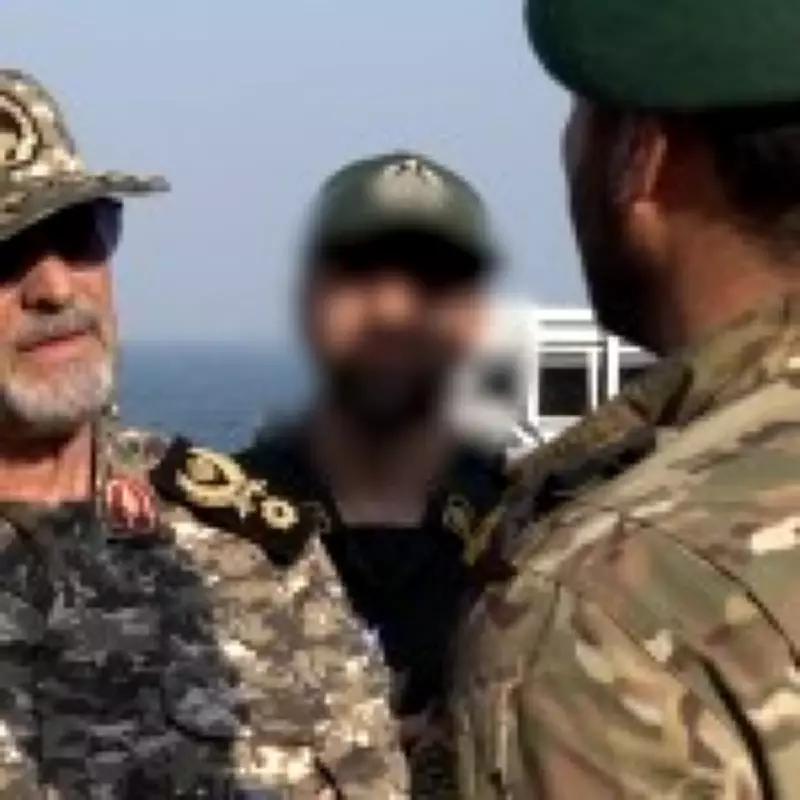
Israeli Prime Minister Benjamin Netanyahu has publicly claimed that a targeted missile strike successfully eliminated Iran's Revolutionary Guard Corps Navy Commander, Alireza Tangsiri, who was reportedly responsible for orchestrating the closure of the critical Strait of Hormuz. The alleged attack occurred overnight, with Netanyahu asserting that Tangsiri had 'blood on his hands' due to his military actions.
Netanyahu's Statement on the Strike
In a televised address, Netanyahu declared, 'We continue to forcefully strike the targets of the Iranian terrorist regime. Last night, we eliminated the Commander of the IRGC Navy. This man had a great deal of blood on his hands; he was also the one who led the closure of the Strait of Hormuz.' The Israeli leader emphasized that this operation is part of an ongoing campaign against Iranian military leadership, though Iran has not officially confirmed Tangsiri's death at this time.
Strategic Implications of the Incident
The Strait of Hormuz is a vital maritime chokepoint for global oil shipments, and its closure by Iranian forces under Tangsiri's command had previously raised international tensions. This development marks a significant escalation in the covert conflict between Israel and Iran, potentially impacting regional stability and energy markets. Analysts suggest that such targeted strikes could provoke retaliatory measures from Iran, further complicating diplomatic efforts in the Middle East.
International Reactions and Context
While Israel has taken responsibility for the missile strike, the international community awaits official confirmation from Iranian authorities. The incident follows a pattern of heightened hostilities, with recent reports highlighting other geopolitical tensions, such as the White House's cryptic communications and discussions on Iran's peace proposals. This breaking news story is developing, and further updates are expected as more details emerge from both Israeli and Iranian sources.