Iran's Nuclear Arsenal and Missile Capabilities Amid Rising Tensions
As the world grapples with what former President Trump has labeled 'major combat operations' by the US military in Iran, critical questions emerge about the nuclear and missile capabilities of Iran and Israel. With bombing raids echoing across the Middle East, understanding the stakes is more urgent than ever. This comprehensive report delves into Iran's nuclear weapons status, missile arsenal, and the potential for a wider regional conflict.
Does Iran Possess Nuclear Weapons?
According to US intelligence and the International Atomic Energy Agency (IAEA), Iran halted its nuclear weapons development program in 2003. However, Tehran has continued enriching uranium in recent years, reaching near weapons-grade levels. All three enrichment plants—Fordow, Natanz, and Esfahan—were targeted in US strikes last June, but IAEA director general Rafael Grossi warned that Iran could resume limited enrichment within months.
Since the '12-day war' last summer, Iran has barred UN inspections at these damaged facilities. A recent IAEA report highlights an inability to verify whether Iran has suspended all enrichment activities or the size of its uranium stockpile, stressing a 'loss of continuity of knowledge' that requires urgent attention.
Iran currently enriches uranium to 60% purity, the only non-nuclear weapons state to do so. Under the 2015 nuclear deal, it was restricted to 3.67% purity and a 300kg stockpile. Since his second term, Trump has pursued agreements to curb Iran's program, imposing sanctions as part of a 'maximum pressure' campaign until Israeli attacks disrupted talks.
How Close Is Iran to a Nuclear Bomb?
Building a nuclear bomb is a complex process centered on uranium enrichment. Uranium contains U-235 isotopes, which become more powerful as enrichment increases. Nuclear power plants use uranium enriched to 0.7%-5%, while weapons-grade material requires 90% enrichment.
The IAEA estimates Iran holds about 400kg of uranium enriched to 60%. If enriched to 90%, this could yield 10 warheads. According to Iran Watch, Iran could produce enough uranium for one weapon in four months and five weapons in under two years. However, developing a warhead and delivery missile adds further challenges.
What Missiles Does Iran Have?
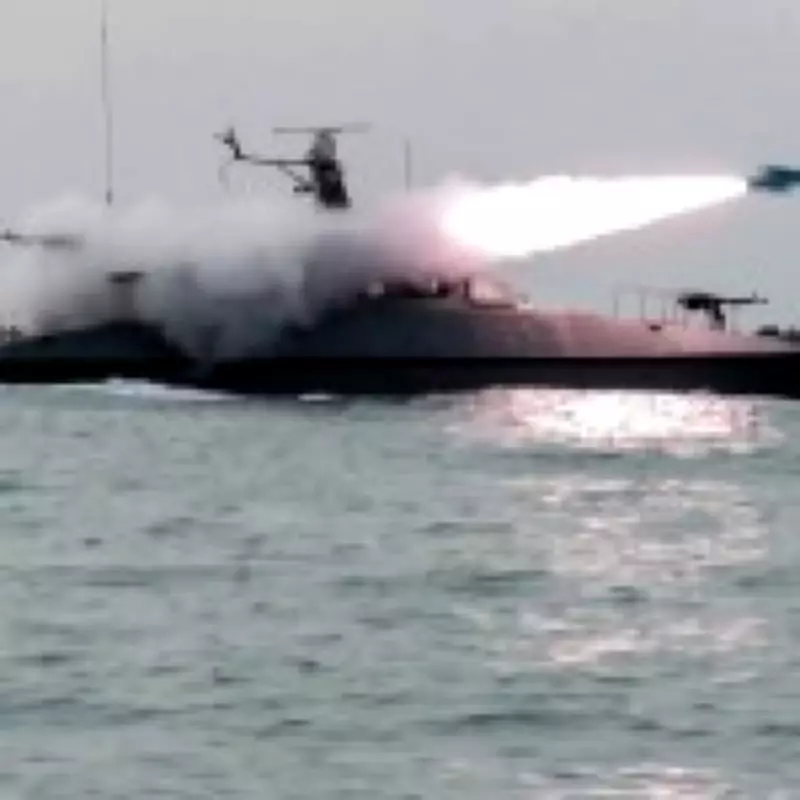
Iran boasts the largest ballistic missile stockpile in the Middle East, with ranges up to 1,240 miles—enough to reach Israel, as Iranian officials assert for self-defence. Key missile sites include underground 'missile cities' in provinces like Kermanshah and Semnan, as well as near the Gulf region.
Tehran's arsenal includes the Sejil, Ghadr, and Khorramshahr missiles, all with 1,240-mile ranges, alongside the Emad (1,050 miles), Shahab-3, and Hoveyzeh (830 miles). This extensive capability underscores Iran's regional military posture.
Does Israel Have Nuclear Weapons?
Israel's military dominance in the Middle East is bolstered by a suspected advanced nuclear program, though it has never confirmed or denied its existence. Not a signatory to the non-proliferation treaty, Israel avoids IAEA inspections and maintains a policy of nuclear ambiguity since the 1960s.
Estimates of Israel's stockpile range from 90 to 400 warheads, deliverable via air, submarine-launched cruise missiles, and Jericho ballistic missiles. Recently, Iran threatened to release alleged Israeli nuclear secrets, claiming possession of sensitive documents on nuclear facilities.
Why Has the US Attacked Iran?
In a recent statement, President Trump justified 'major combat operations' as a defence against 'imminent threats from the Iranian regime.' He accused Iran of endangering the US, its troops, and allies, citing decades of hostility and state-sponsored terror. Trump emphasized that preventing Iran from obtaining nuclear weapons remains a core US policy.
Could the Israel-Iran Conflict Lead to World War III?
Despite US involvement, experts like Jason Pack from the Royal United Services Institute suggest a global conflict is unlikely. He notes that Iran's weakened state makes it incapable of triggering World War III, with internal unrest posing a greater threat than decisive strikes against Israel. The focus remains on regional escalation rather than worldwide warfare.