
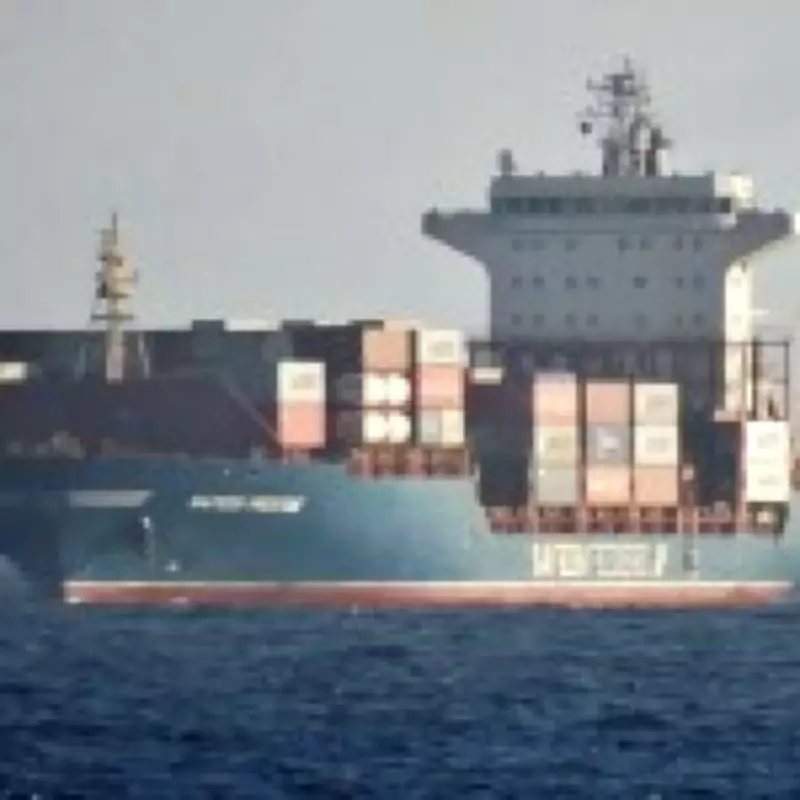
Iranian Missile Attack Forces Crew to Abandon Container Ship in Critical Waterway
A Maltese-flagged container vessel has been struck by an Iranian missile while navigating through the strategically vital Strait of Hormuz, compelling the entire crew to abandon the ship in a dramatic emergency evacuation. The incident occurred approximately two nautical miles north of Oman, highlighting the escalating maritime tensions in a region that serves as a crucial artery for global energy supplies.
Immediate Aftermath and Damage Assessment
According to shipping industry sources, the container ship Safeen Prestige was hit by an unidentified projectile just above the waterline, which triggered a significant fire in the engine room. British maritime risk management firm Vanguard provided initial details, stating, "The vessel was struck by an unknown projectile just above the waterline, resulting in a fire in the engine room. No environmental impact has been reported at this time." The UK Maritime Trade Operations confirmed to Metro that the ship is not British-owned, though the crew's nationality remains undisclosed.
Strategic Importance of the Strait of Hormuz
The Strait of Hormuz represents one of the world's most critical maritime chokepoints, with approximately one-fifth of global oil shipments transiting through this narrow waterway. This 60-mile-wide passage separates Iran on one side from Oman and the United Arab Emirates on the other, connecting the Persian Gulf to the Gulf of Oman and ultimately the Arabian Sea in the Indian Ocean. Tankers collecting oil from various Persian Gulf ports must navigate through this strait, making it indispensable for energy exports to Europe, the United States, and Asia.
Escalating Regional Tensions and Security Concerns
This attack occurs against a backdrop of heightened regional hostilities, following Iran's recent declaration that it was "closing" the shipping lane. Maritime security experts report that shipowners are growing increasingly wary of utilizing this waterway, with some vessels implementing enhanced security measures and others outright canceling routes through the area. The incident follows other recent maritime confrontations, including the sinking of an Iranian naval frigate off the coast of Sri Lanka, where authorities rescued 32 people but reported additional fatalities.
The Iranian frigate, identified as the Iris Dena, was equipped with heavy artillery, surface-to-air missiles, anti-ship missiles, torpedoes, and helicopter capabilities. Meanwhile, the U.S. military has stated it has already destroyed 17 Iranian vessels, with an explicit goal to neutralize Iran's naval capabilities. These developments underscore the volatile security environment in waters that have been at the heart of regional tensions for decades.
Broader Implications for Global Trade and Security
While alternative shipping routes exist for most maritime chokepoints, they typically add substantial transit time and operational costs. The Strait of Hormuz presents particular challenges, as viable alternatives are limited, making disruptions potentially catastrophic for global energy markets. This attack raises urgent questions about the safety of commercial shipping in the region and the potential for broader economic repercussions if the flow of Gulf oil shipments faces sustained interruption.
The international community continues to monitor the situation closely, as further incidents could trigger significant diplomatic and economic consequences. The targeting of commercial vessels represents a dangerous escalation in regional conflicts, with implications extending far beyond the immediate area of operations.




